Vermicelli
vur-mih-CHEL-ee
What it is
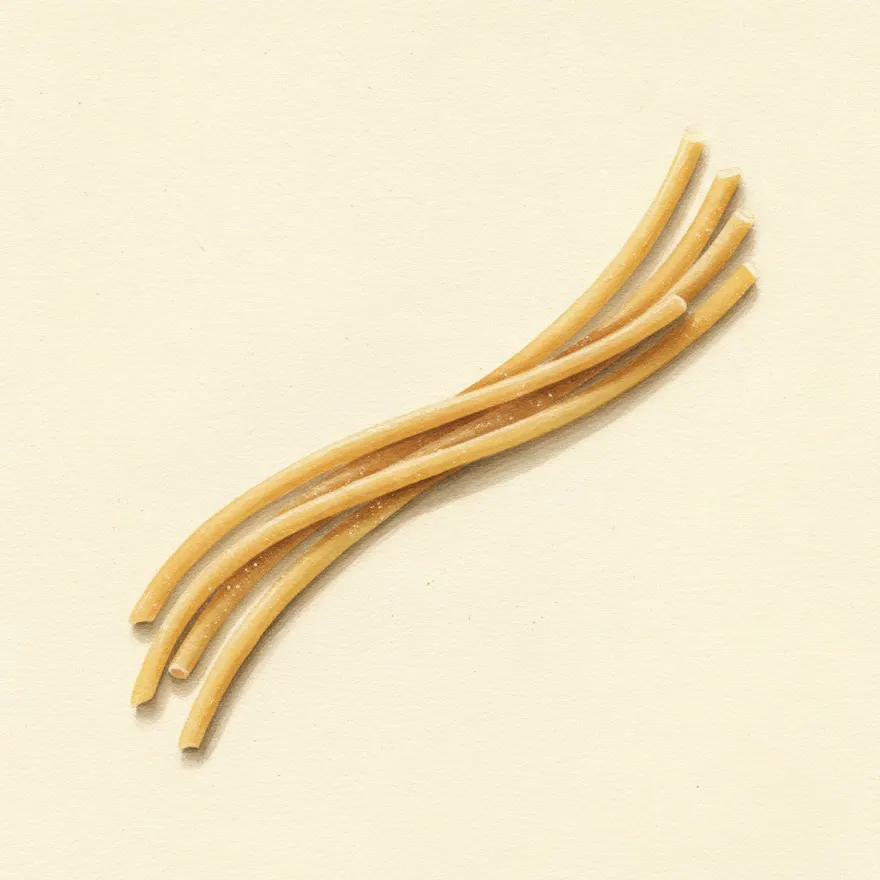
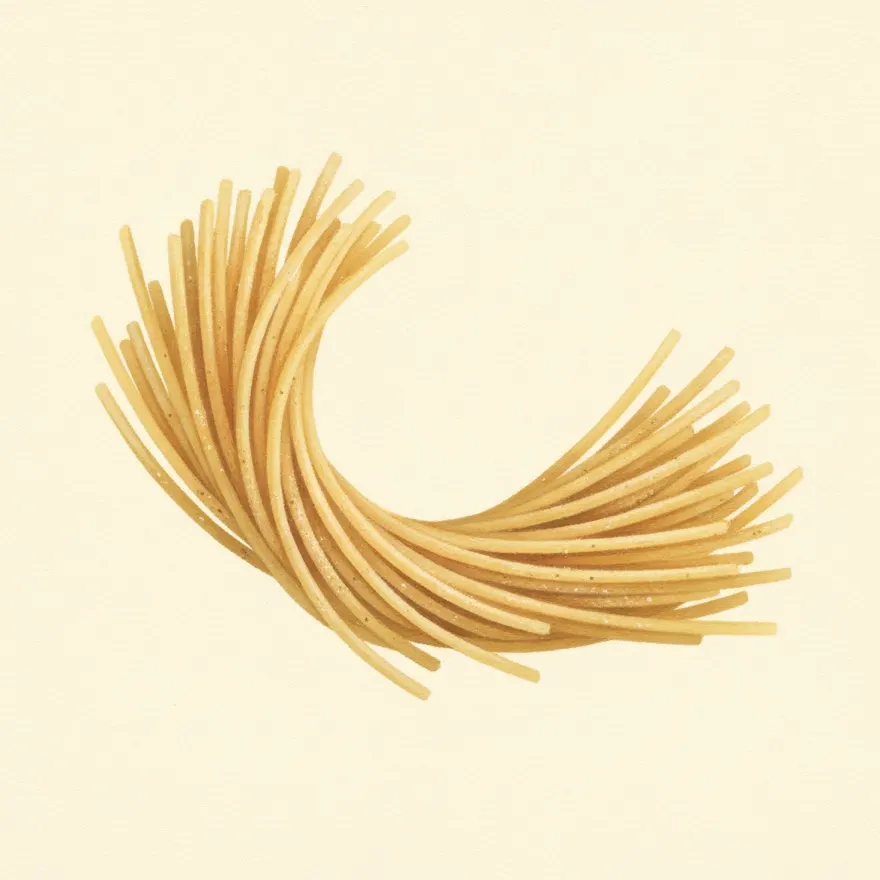
Pasta makers in Naples were once called vermicellari, not spaghetti makers. For centuries vermicelli was the default name for the whole strand family. A De Cecco company history credits the pasta master Barnaba da Reatinis with recording the shape's spread across northern Italy in 1338, where it went by orati in Bologna, minutelli in Venice, fermentini in Reggio Emilia, and pancardelli in Mantua. Maestro Martino's cookbook of the 1460s printed the first known recipe and claimed the sun dried strands kept for two or three years. When Eliza Acton printed the first English spaghetti in 1845, she explained it to readers as Naples vermicelli. The 19th century Neapolitan recipe that became spaghetti alle vongole was written for vermicelli by Ippolito Cavalcanti. Spaghetti later claimed the generic role, and the old name split in two. Italy kept vermicelli thicker than spaghetti. America remade it thinner.
Italian for little worms, the plural diminutive of verme, worm, from Latin vermis. English borrowed the word in the 1660s, almost two centuries before spaghetti first appeared in English print.
What sauce it wants, and why
Which sauce fits depends on which vermicelli is in the box. The Italian cut is a heavy strand, thicker even than spaghettoni, and it carries weight: tomato sauce, garlic and oil with chili, vegetable sauces built on eggplant and zucchini, and the clam and shellfish sauces of its home coast. The thin American cut wants the opposite. Light tomato, broth based, and simple oil sauces cling without overwhelming it, and it breaks into soups the way fideos do. Match the sauce to the gauge in your hand, not to the name on the label.
Classic plates: vermicelli alle vongole, vermicelli di scammaro, vermicelli alla vesuviana.
No vermicelli? Use these
Closest swaps by sauce behavior, not by looks. The ones most easily confused with vermicelli, and how they read.

Vermicelli vs Spaghetti·Vermicelli vs Capellini·Vermicelli vs Spaghettini·Vermicelli vs Spaghettoni
Easy to confuse with
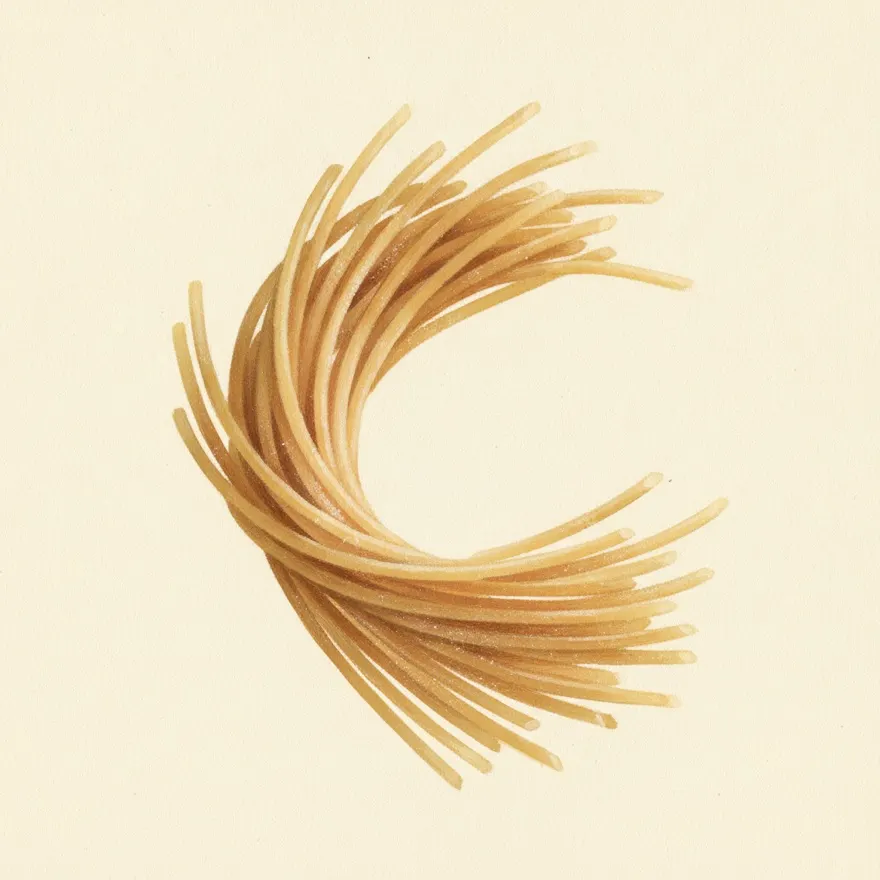
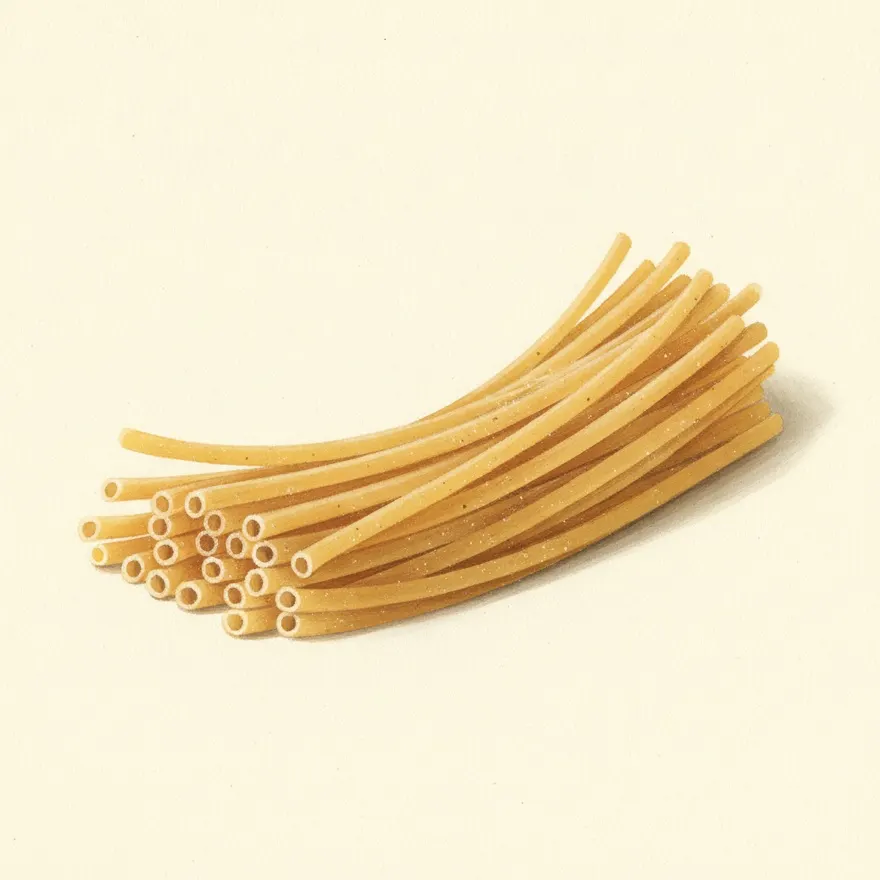
Solid round strands graded only by thickness: capellini (finest), spaghettini, spaghetti, then spaghettoni (thickest), with vermicelli sitting near spaghetti. Bucatini looks like a thick spaghetti but has a hole running through the center.
Stay in the loop
From the Almanac
Updates from Pasta Almanac, when there is something worth sharing.