Maccheroni al ferretto
mahk-keh-ROH-nee ahl feh-REHT-toh
Also known as maccaruni, fusilli al ferretto, maccheroni al ferro.
What it is
A rope of semolina dough is rolled around a thin iron rod, the ferretto, then slid off to leave a hollow tube or a grooved strand. The shape runs across the south, from Campania through Calabria to Basilicata, under many local names, and Italian reference works treat it as a whole class of rod-formed pasta rather than one fixed cut. Sources record humble household origins, made by cooks working with semola, water, and whatever thin rod was at hand. In Calabria the rod-rolled tube is close kin to fileja, while in Basilicata the ferretto is pierced through the dough to leave a central groove.
Ferretto is the diminutive of the Italian ferro, iron, from Latin ferrum, and in everyday use means any small iron tool. Here it names the thin iron or brass rod the dough is rolled around, so the pasta is literally maccheroni made on the little iron.
What sauce it wants, and why
The hollow bore and the rod-pressed groove are built to trap heavy, clinging sauces, which is why the southern tradition pairs it with long-cooked meat ragu. In Calabria it carries spicy nduja and tomato; in Basilicata it meets fresh sausage sugo. The textured, semolina surface grips chunky and fat-rich dressings well.
Ragu·Nduja·Sausage ragu·Tomato sauce
Classic plates: maccheroni al ferretto al ragu, maccheroni al ferretto con nduja e pomodoro.
No maccheroni al ferretto? Use these
Closest swaps by sauce behavior, not by looks. The ones most easily confused with maccheroni al ferretto, and how they read.

Easy to confuse with
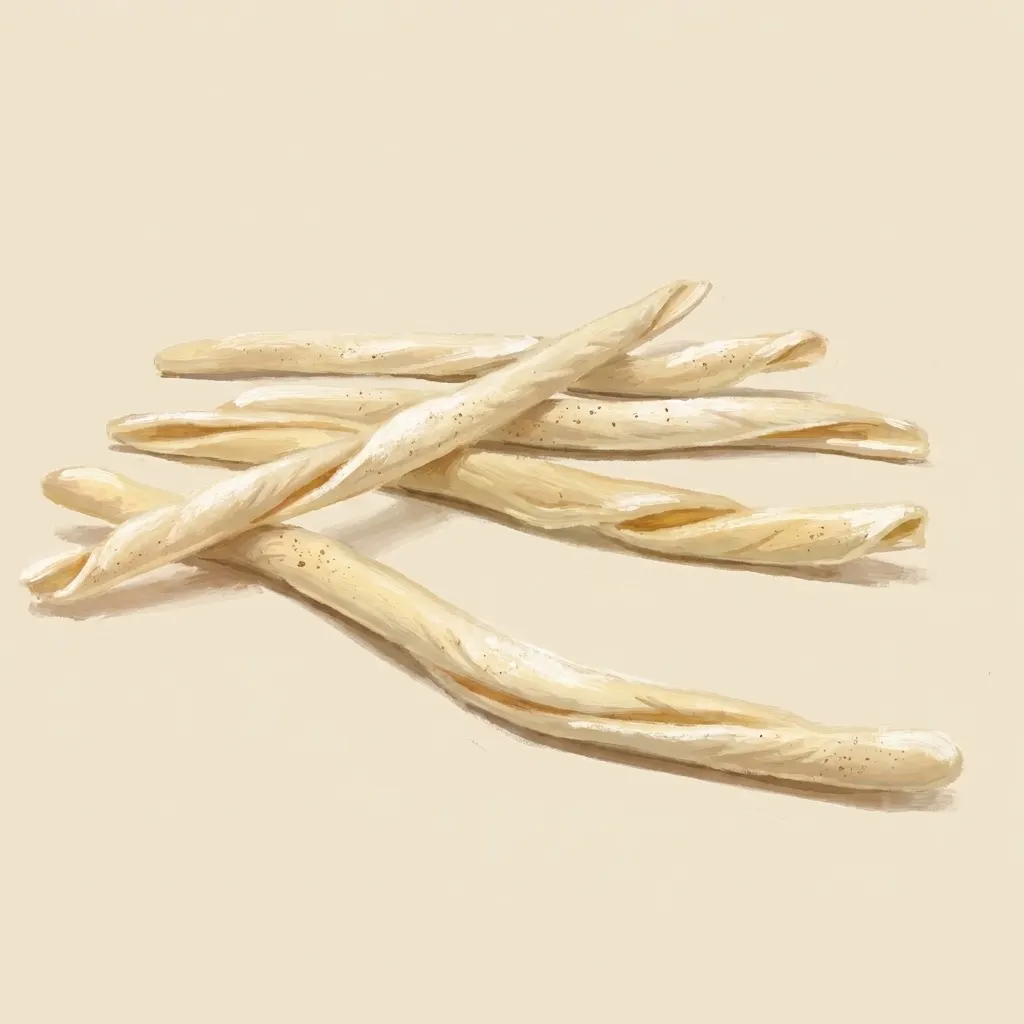
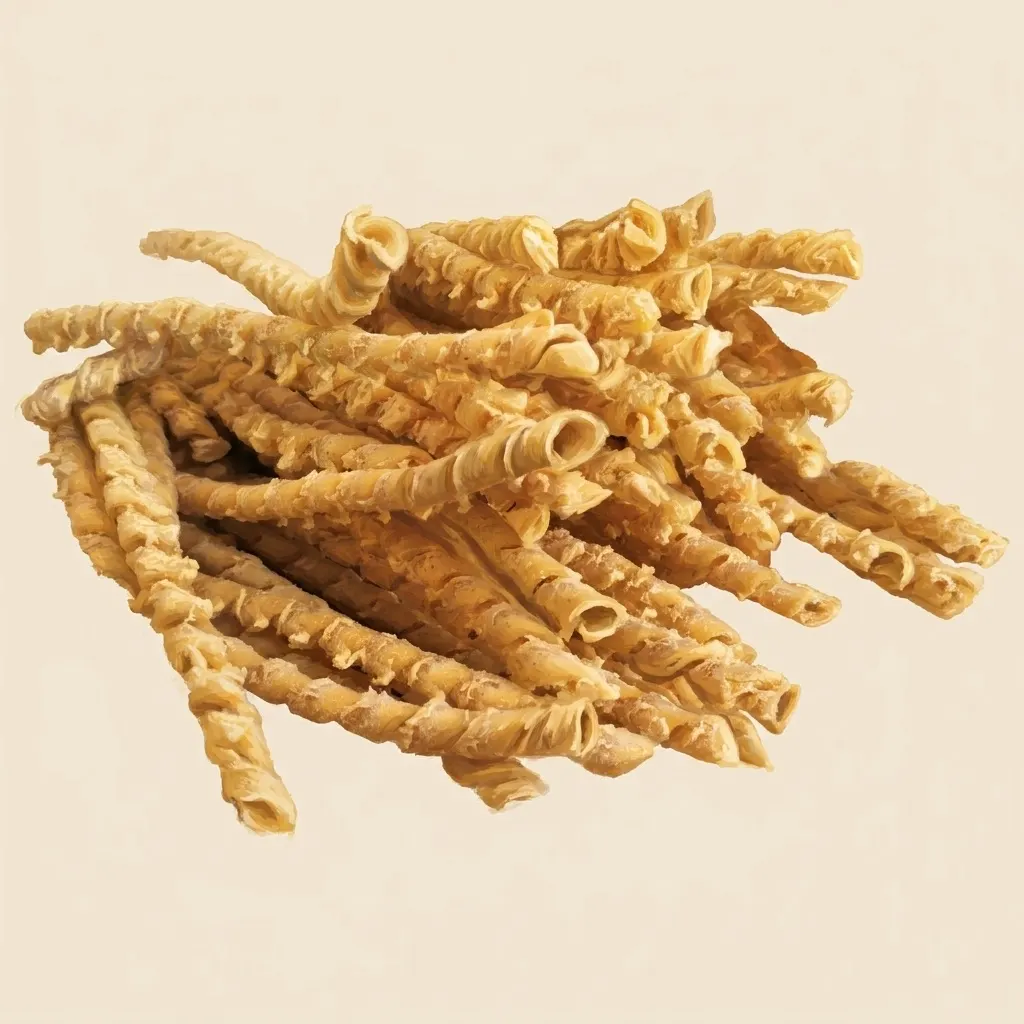
Strands formed around a thin iron rod, the ferretto. Maccheroni al ferretto is the umbrella shape, fileja the short Calabrian rolled spiral, and busiate the long Sicilian corkscrew coiled around a reed.
Newsletter
Pasta mail
A new shape now and then, plus whatever pasta rabbit hole we fell down lately. No spam, promise.