The best shapes for sausage ragu
Sausage meat crumbled out of its casing and browned hard, then simmered with tomato or wine. The nubs come out irregular and stay that way, which makes this the clearest test case for whether a shape can actually catch a solid.
Crumbled sausage is the test case for cavity shapes. The nubs sit in orecchiette cups, cavatelli hollows, and rigatoni bores.
Canonical: orecchiette, cavatelli, strozzapreti, rigatoni.
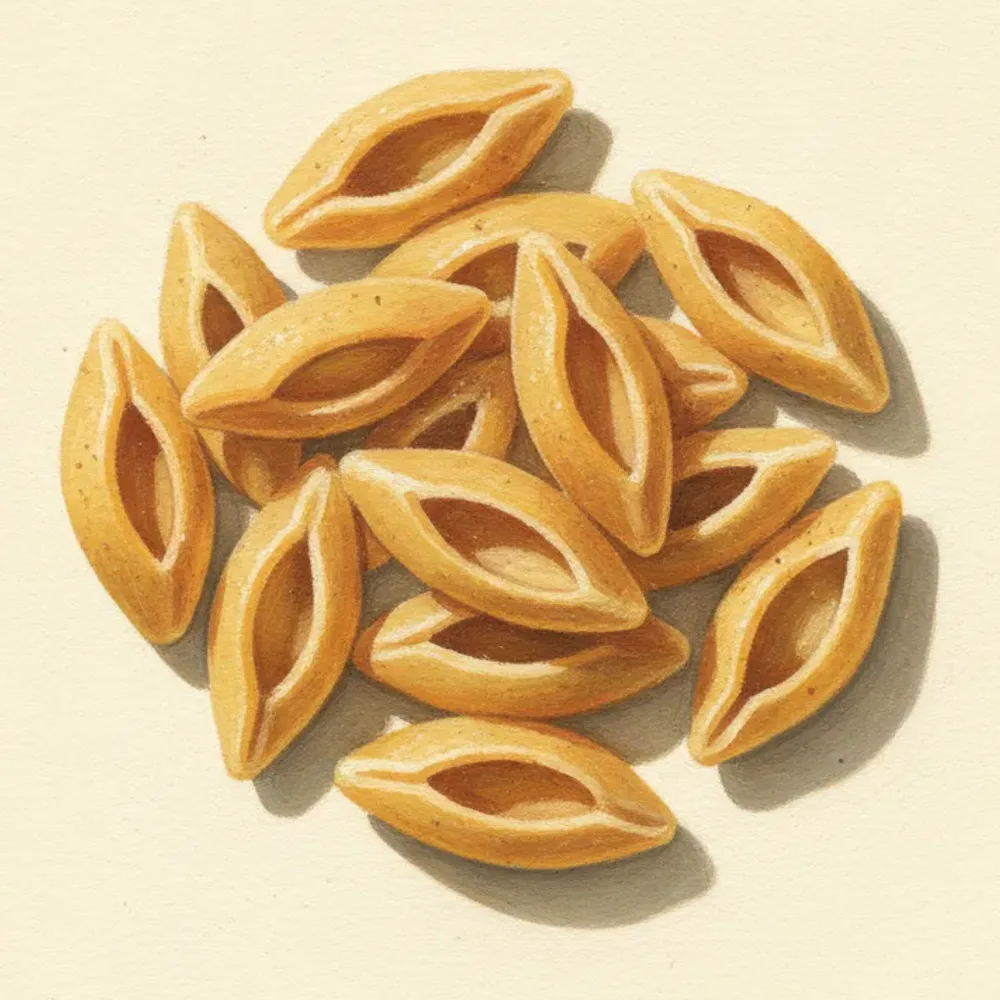
The long open hollow and the dragged-rough surface catch chunky sauce along the whole piece rather than just in a single curl.
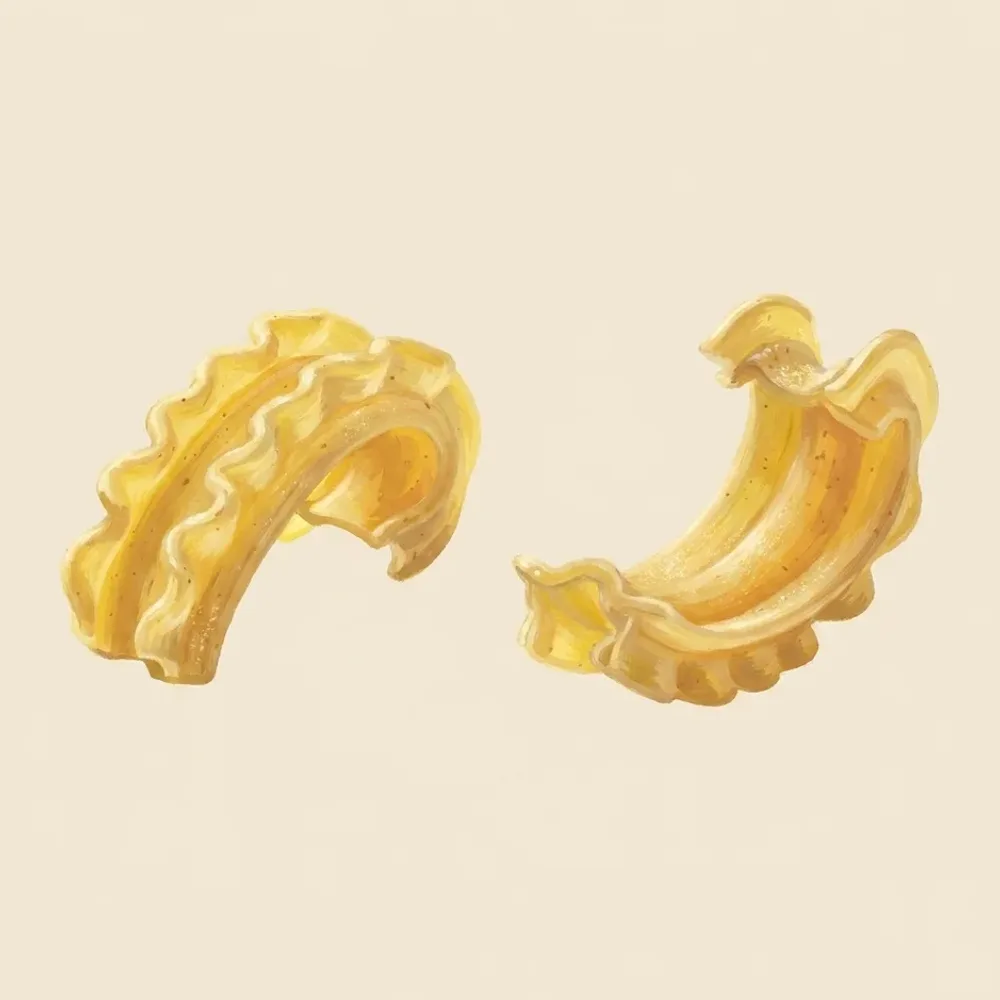
The geometry is built around catching sauce.

Each piece is a small scoop.
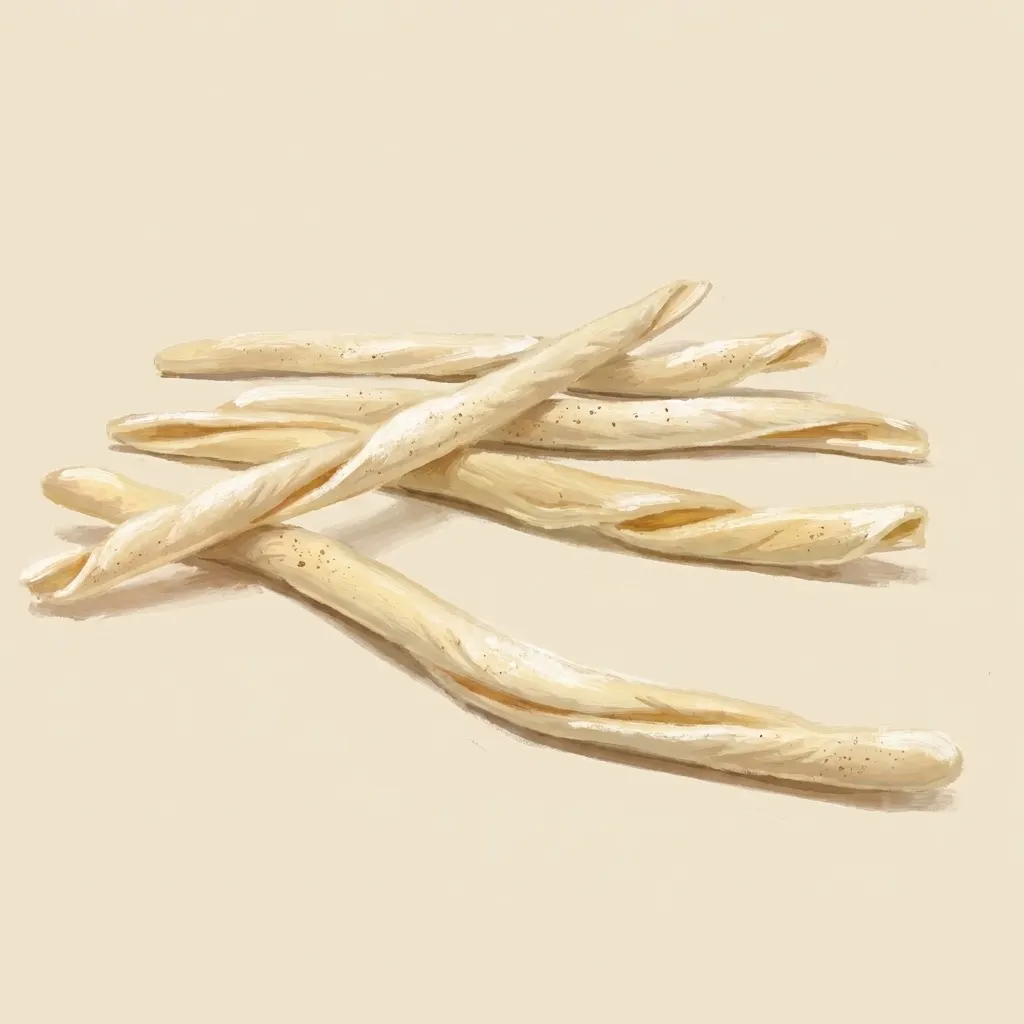
The twist and the open hollow channel give spicy nduja and pork ragu something to cling to, pulling the soft sausage and fat into and around each strand.
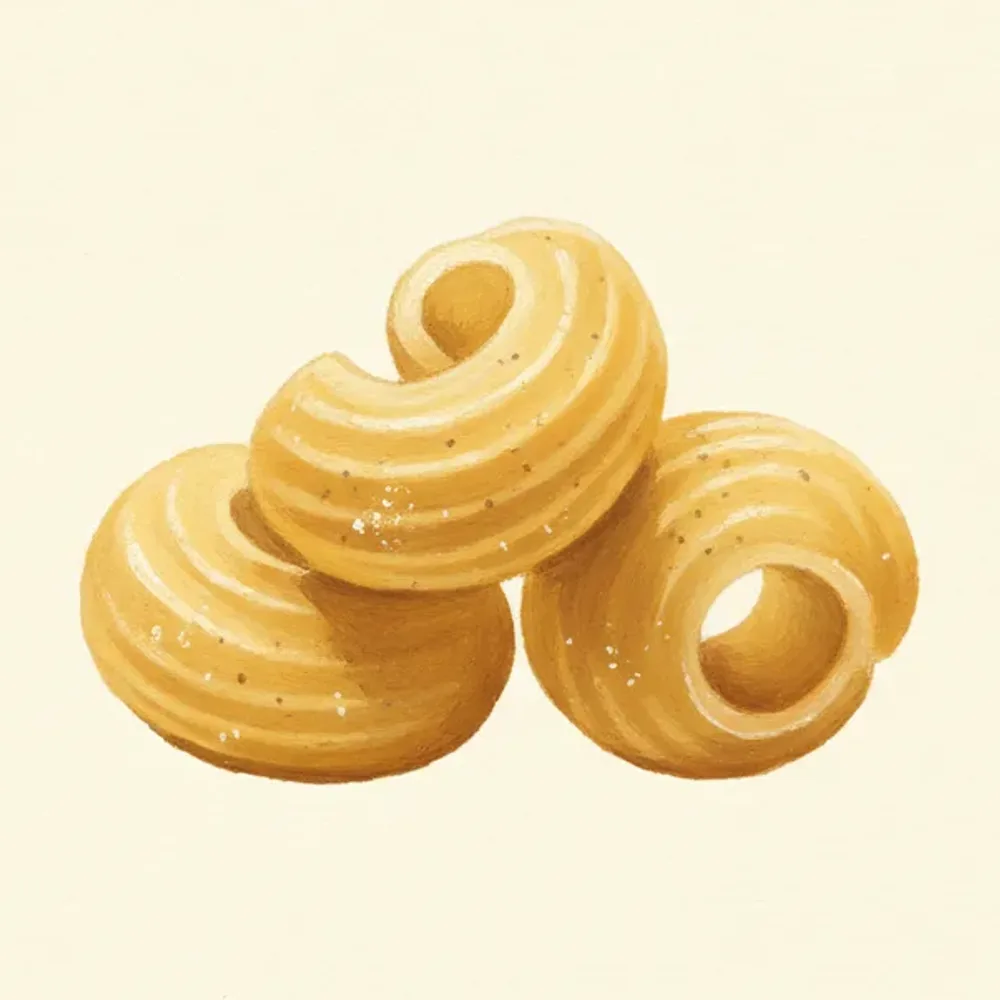
The tight curl and open tube give a chunky sausage ragu many edges to grab, so crumbled meat lodges in the bends instead of sliding off.
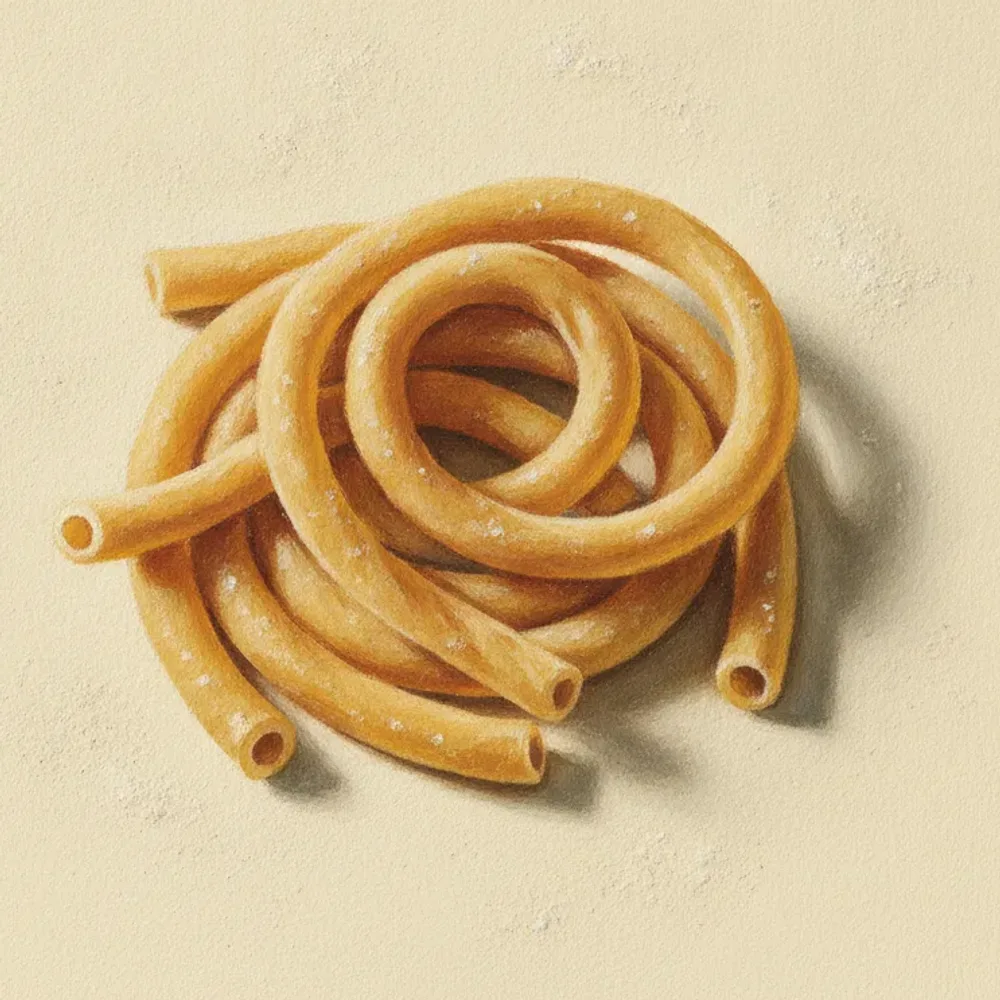
The hollow bore and the rod-pressed groove are built to trap heavy, clinging sauces, which is why the southern tradition pairs it with long-cooked meat ragu.
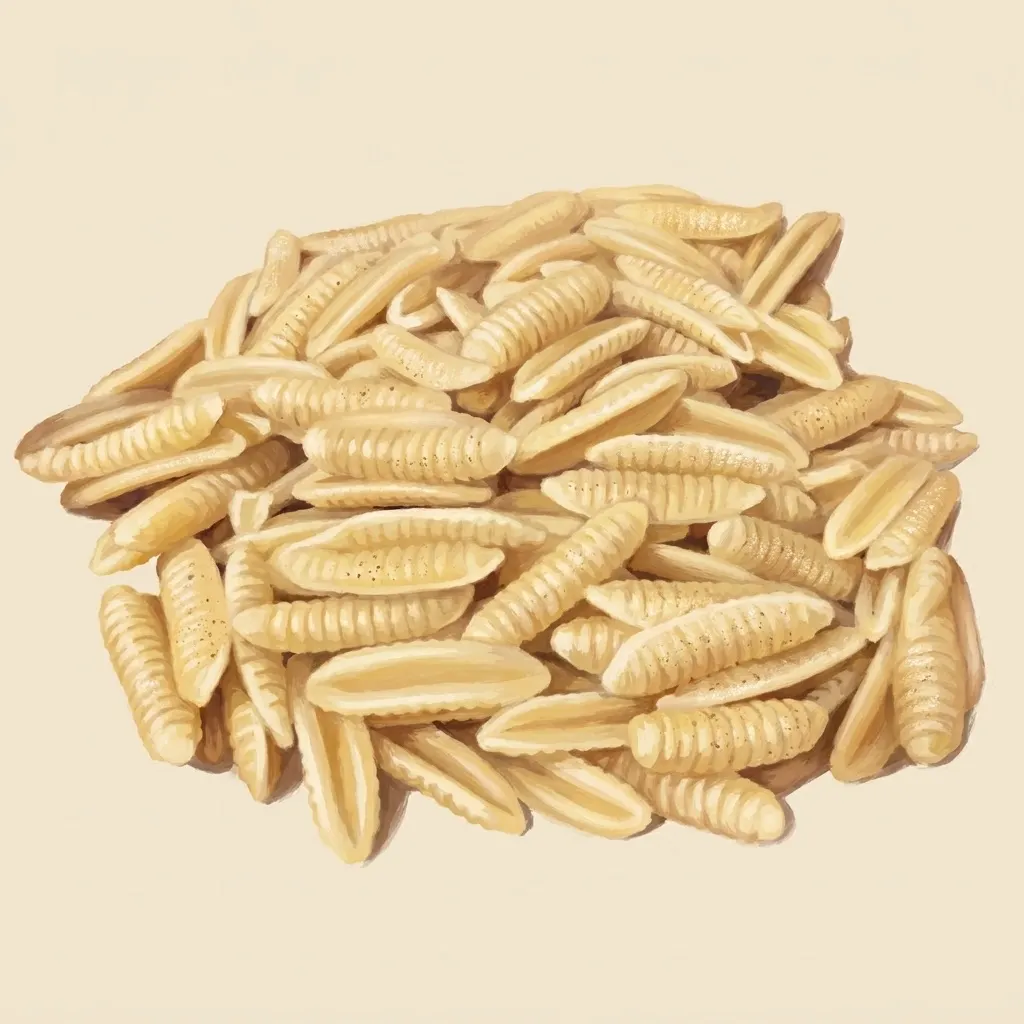
The ridged back and hollow belly catch and hold a thick sauce, which is why the canonical pairing is malloreddus alla campidanese: a ragu of crumbled Sardinian fennel sausage, tomato and saffron, finished with grated pecorino sardo.
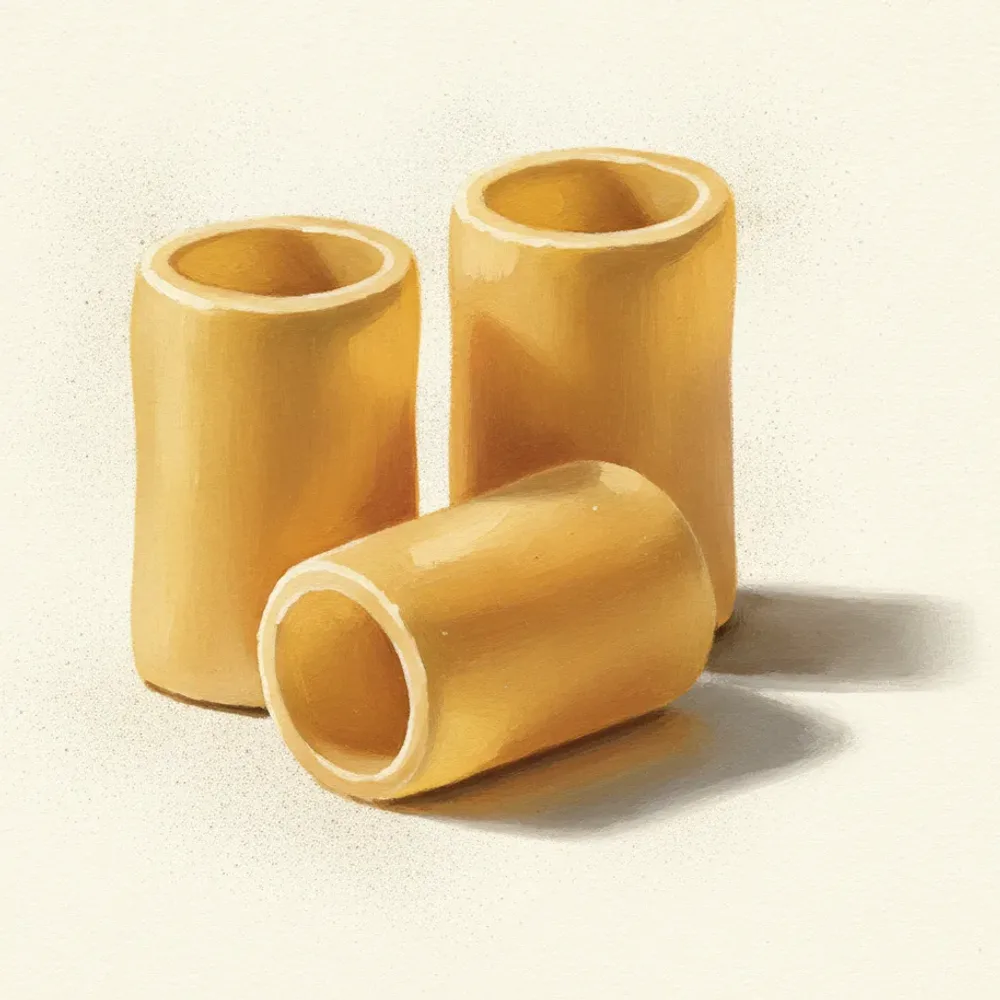
The wide bore is the working feature.

Each piece is a small cup with a thin center and a thicker rim, so one bite carries two textures.

Rigatoni is built for sauces with solids in them.
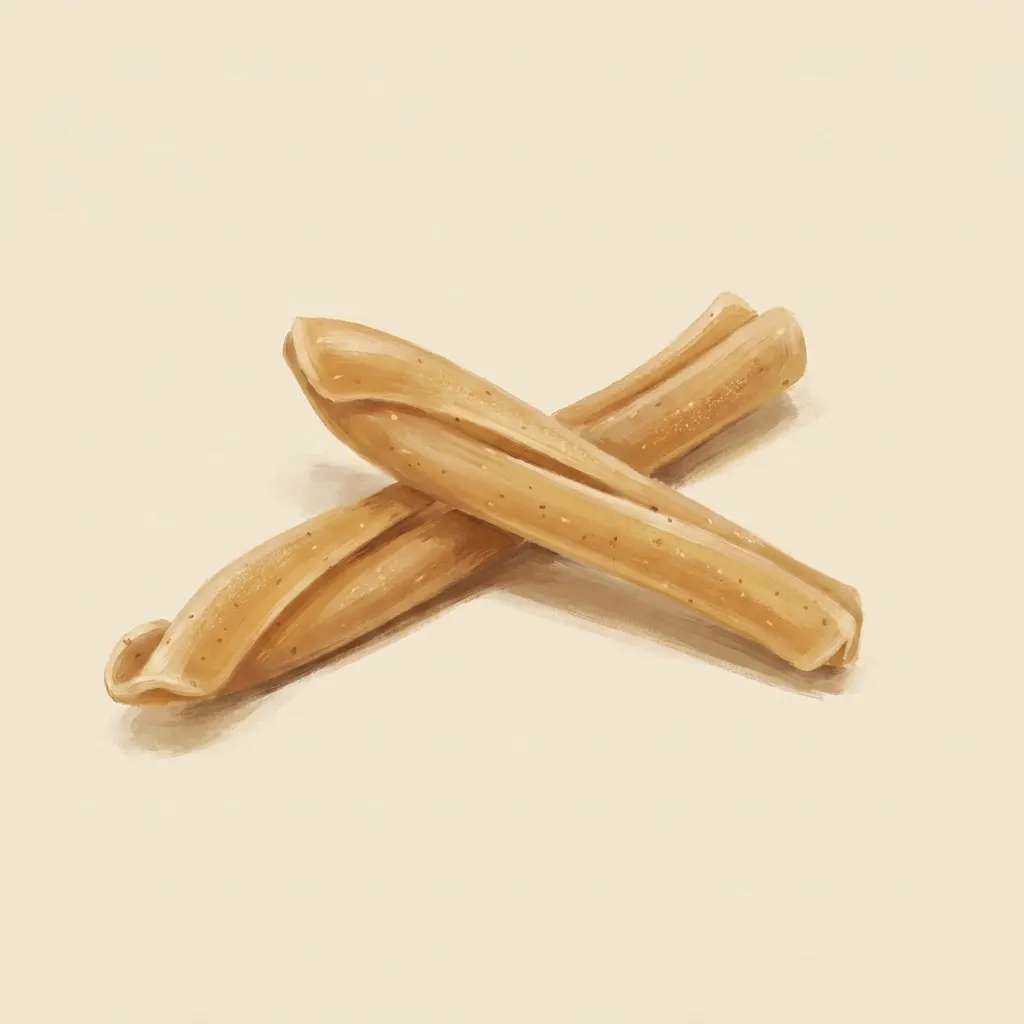
The twist is the working part.
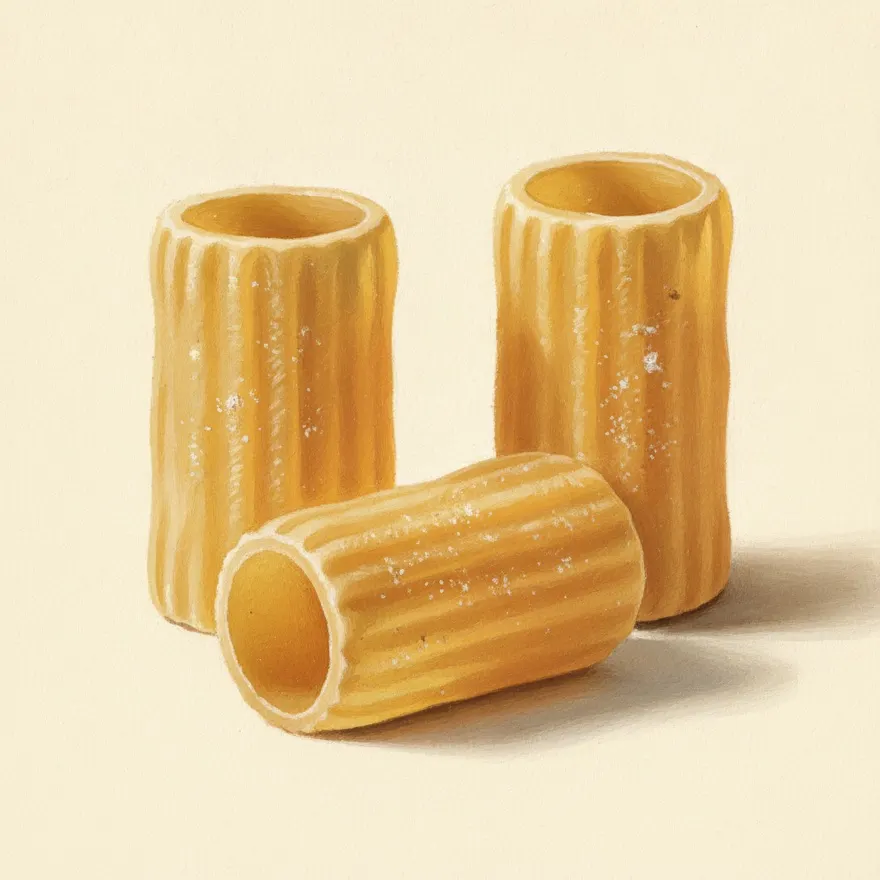
The spiral ridges do real work.
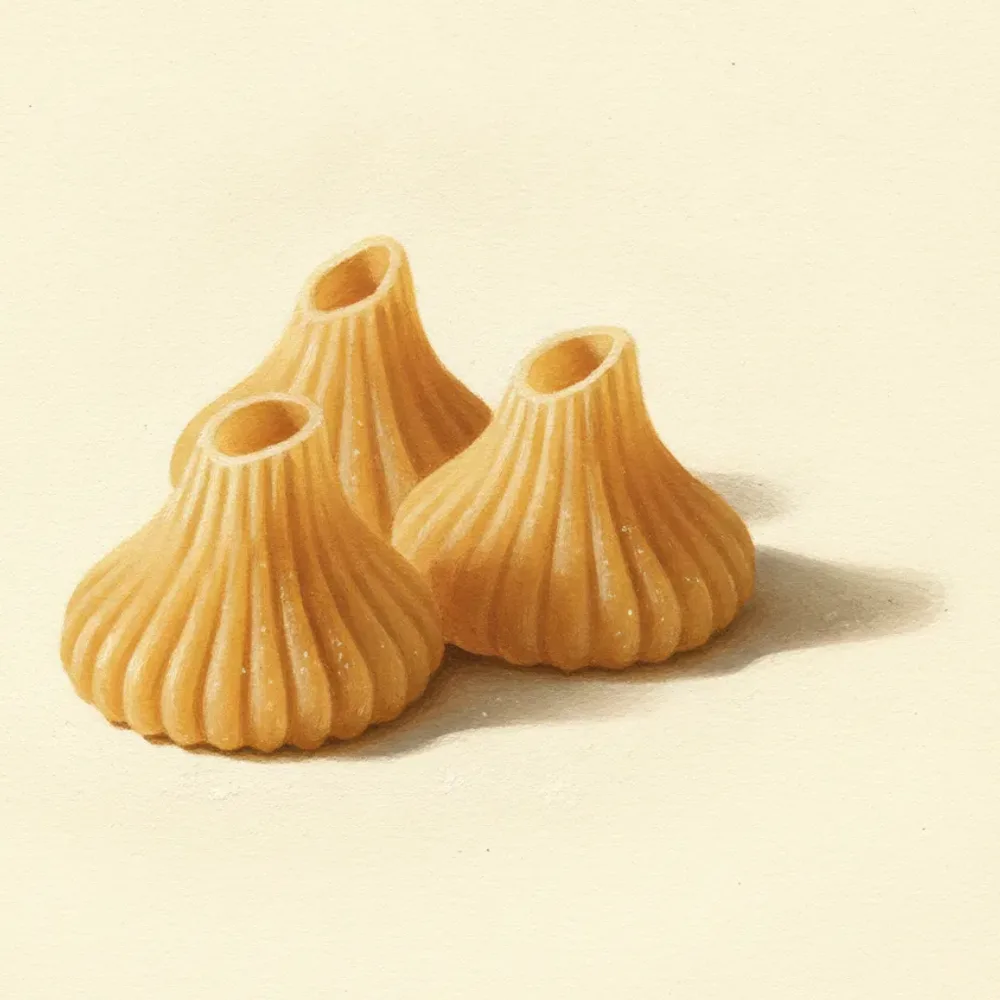
The piece is built like a hollow swirl that climbs from a wide base to a thin peak, so sauce settles into the folds and the central cavity instead of sliding off.
What we would not put it on
Flat ribbons. The crumbles roll off a flat surface, and what stays on is the liquid rather than the sausage that the dish is named for.
Want it the other way around? Start from a shape in the Pairing Finder.
Stay in the loop
From the Almanac
Updates from Pasta Almanac, when there is something worth sharing.