Lorighittas
loh-ree-GEET-tahss
Also known as lorighitas, origliettas.
What it is
Lorighittas are thin semolina rings made by braiding two strands of dough into a closed loop, a craft kept alive in the village of Morgongiori on the slopes of Monte Arci in Oristano province. The women of the village gathered in the days before All Saints' Day on November 1 to form them by hand, and the pasta was long eaten only on that holiday. Tradition holds the name comes from the loriga, the iron ring used to tie livestock. A single kilogram can take one maker three to four hours, and Slow Food lists the shape in its Ark of Taste as a near extinct food.
From the Sardinian loriga, a ring, taken from the Latin lorum (leather strap) and its diminutive lorighitta, small ring. In Morgongiori tradition the name points to the iron loops once fixed to house walls and yokes for tethering oxen and horses. A separate folk reading ties the word to small ears, which young women were said to mimic by hanging the dried rings like earrings.
What sauce it wants, and why
The braided twist gives the ring a ridged, grooved surface that traps sauce along the plait, and the open center lets a brothy or oily sauce pool through. The traditional pairing is a light tomato sauce built on free-range cockerel or hen, sometimes pork or wild boar, finished with grated pecorino. A plain tomato sauce also suits the delicate strands.
Classic plates: lorighittas with tomato sauce and free-range hen, finished with pecorino.
No lorighittas? Use these
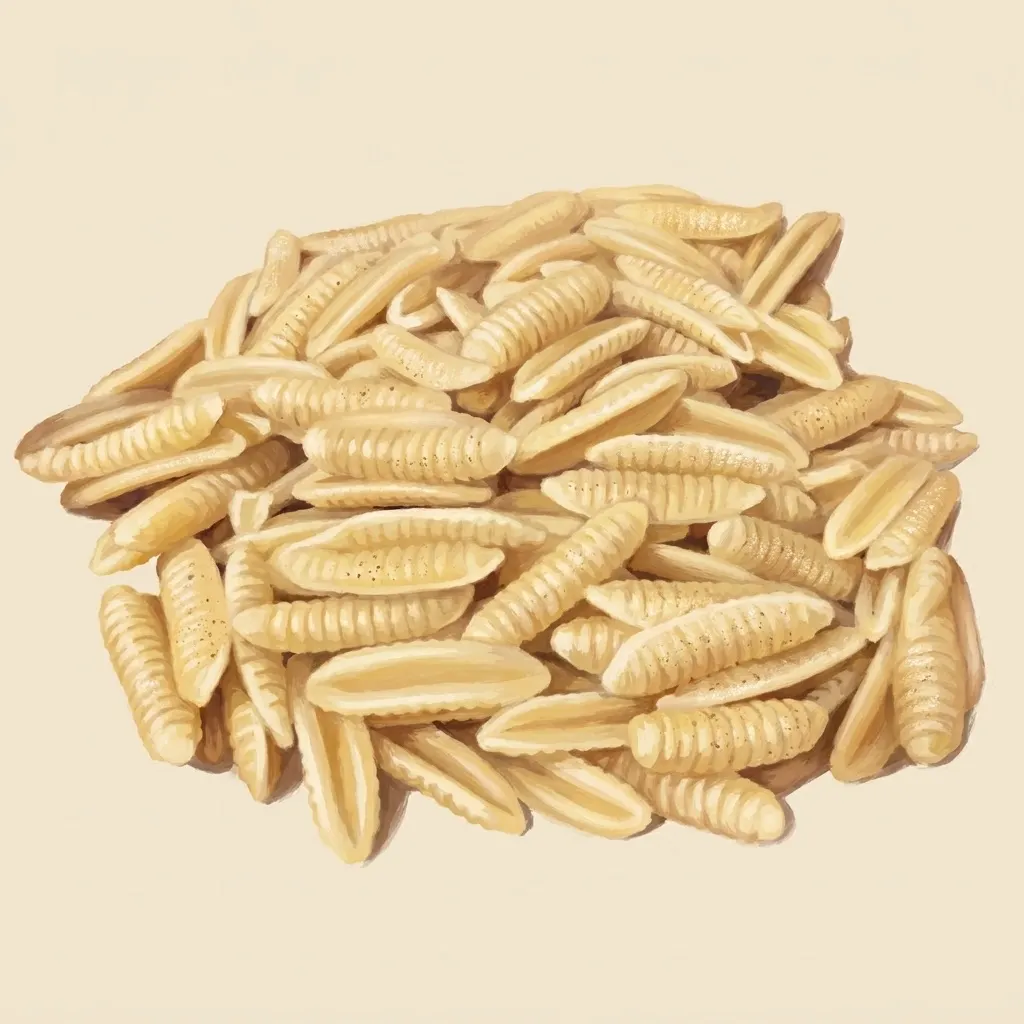
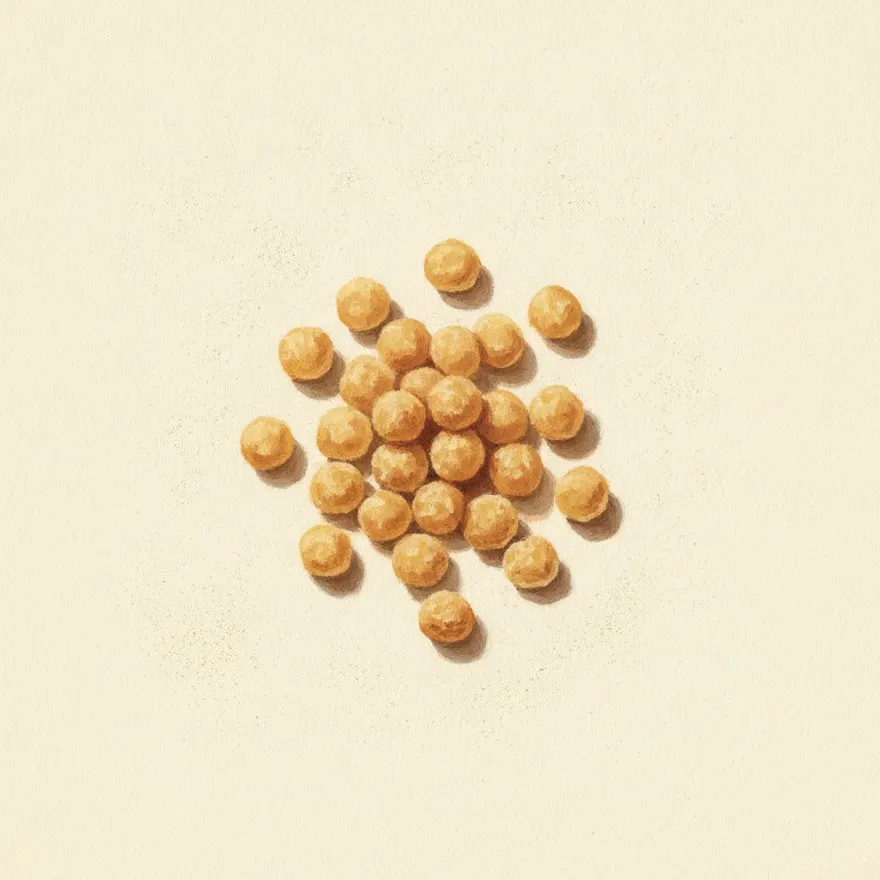
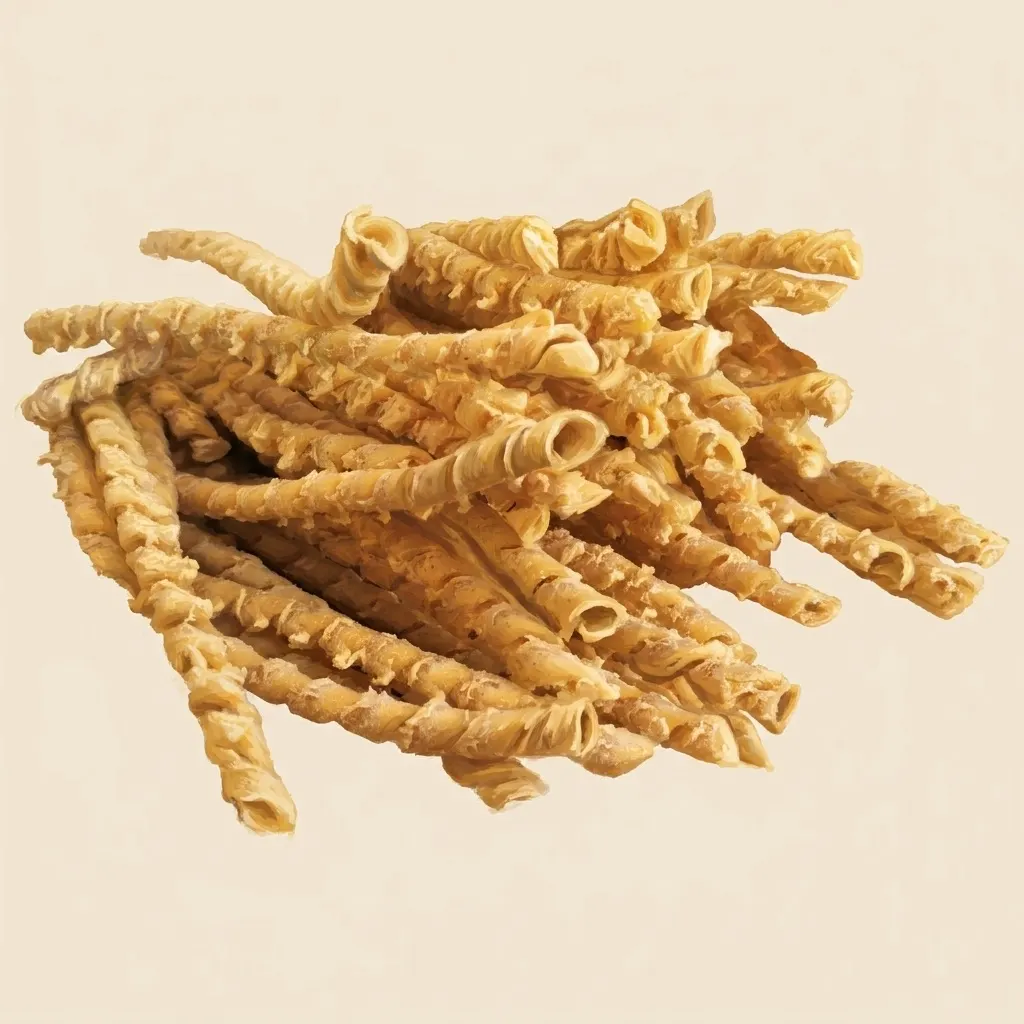
Closest swaps by sauce behavior, not by looks. The ones most easily confused with lorighittas, and how they read.
Newsletter
Pasta mail
A new shape now and then, plus whatever pasta rabbit hole we fell down lately. No spam, promise.