Pasta by region
Pasta from Sardinia
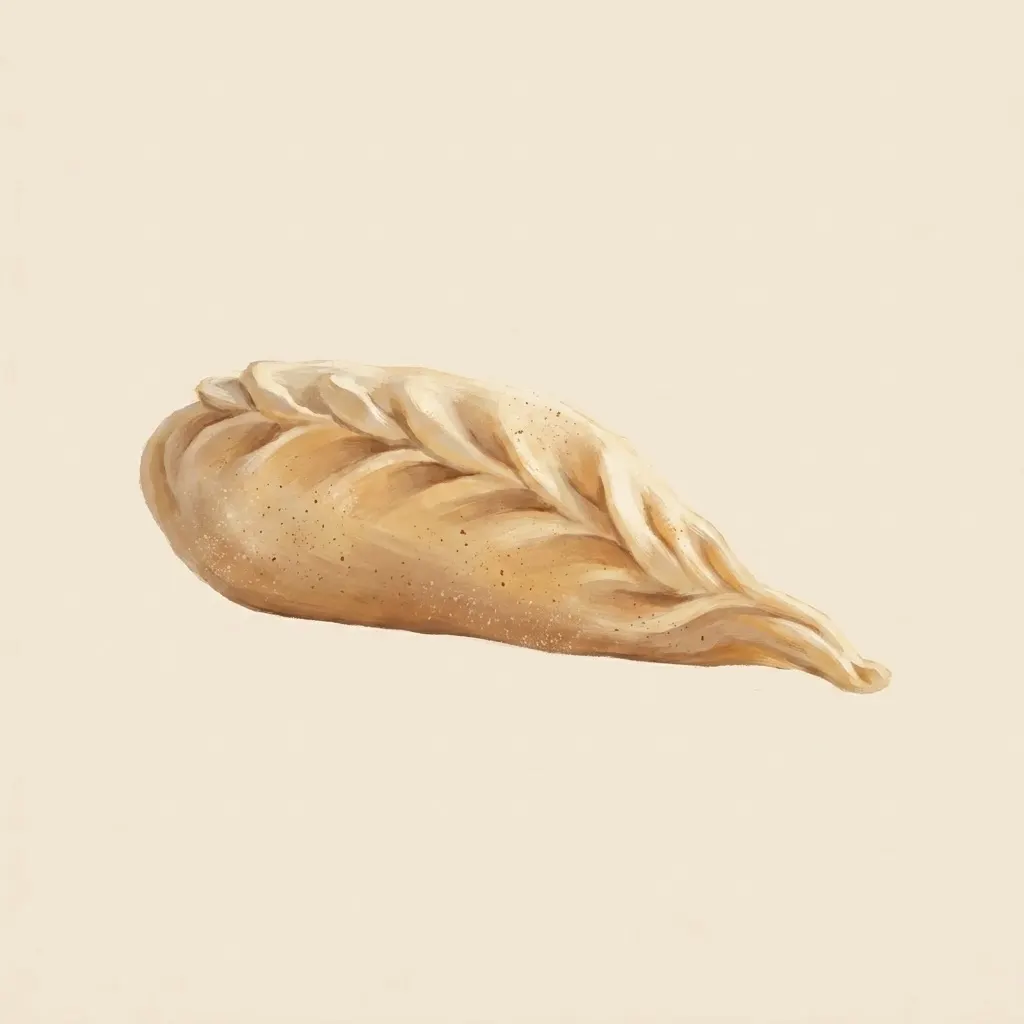
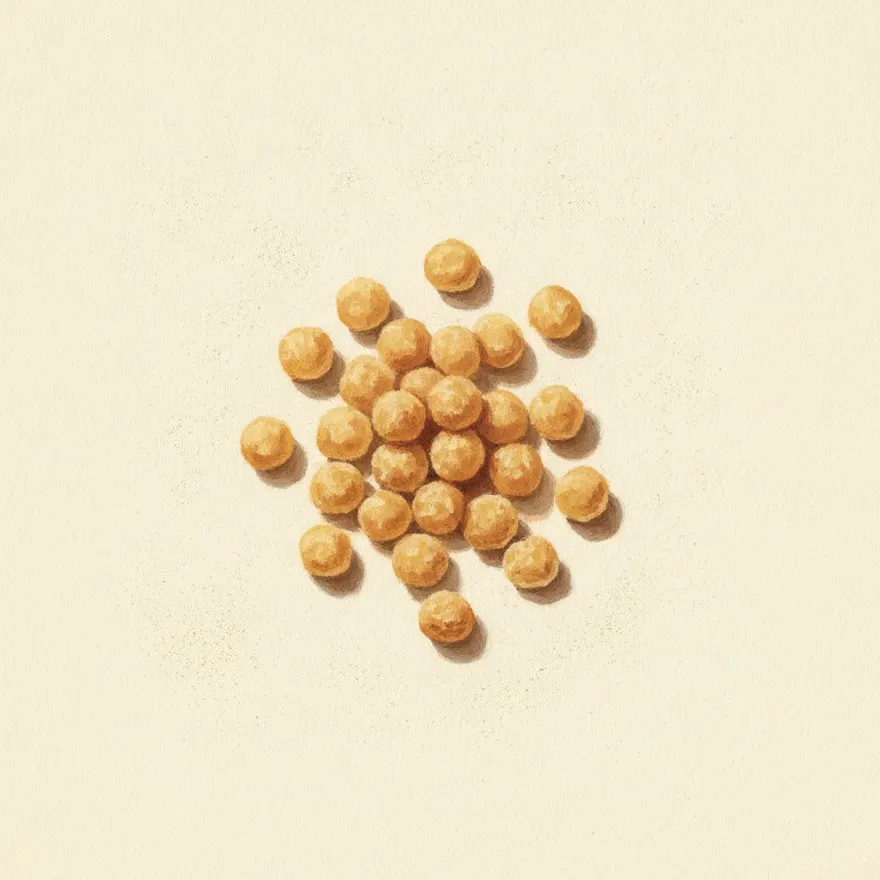
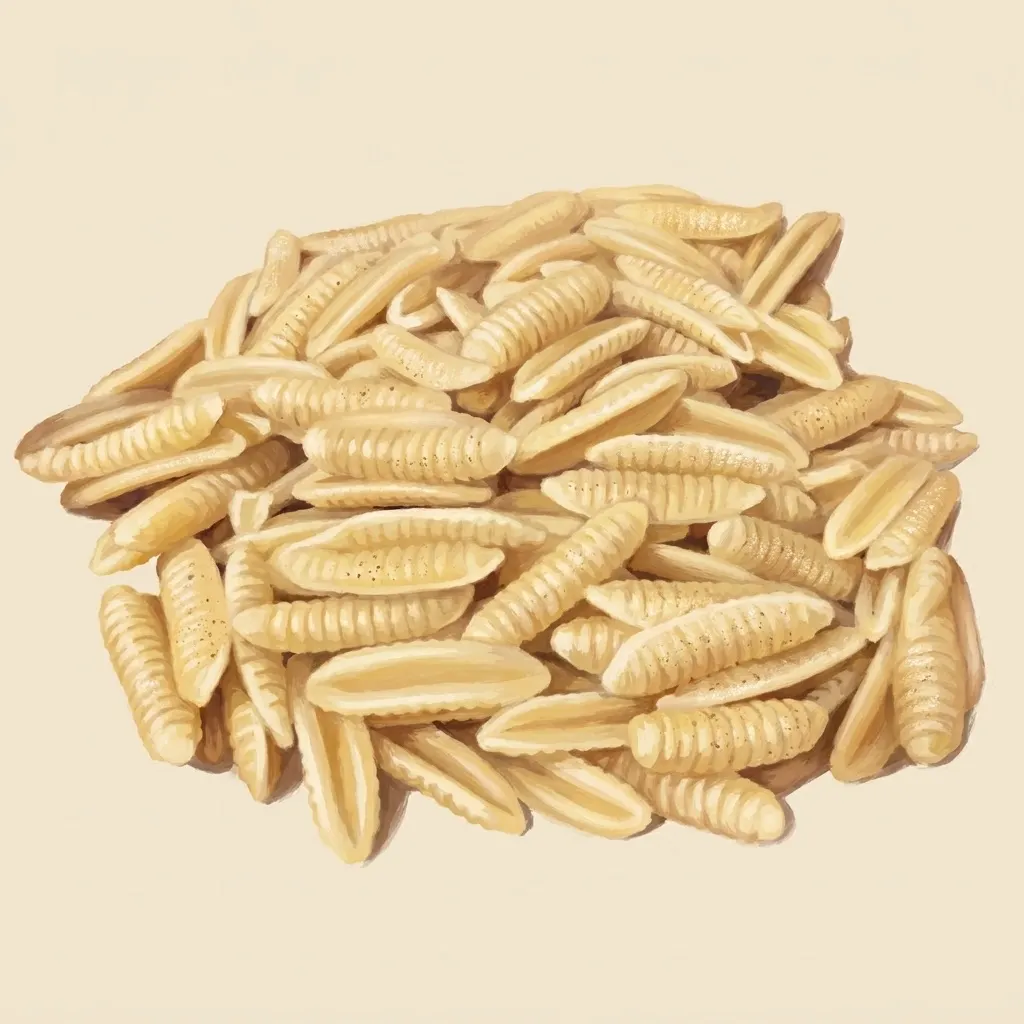
Sardinia developed its pasta in relative isolation, and its shapes look like nowhere else in Italy. Malloreddus, the ridged little husks often called gnocchetti sardi and sometimes tinted with saffron, are dressed with a sausage and tomato sauce, alla campidanese. Fregola is rolled and toasted into rough semolina pearls, closer in spirit to North African couscous, and simmered with clams. Culurgiones, from the Ogliastra in the east, are potato and mint parcels pleated shut along the top in a tight seam meant to look like an ear of wheat. Saffron, pecorino sardo, and the island's bottarga of grey mullet run through the cooking. The common thread is durum semolina worked by hand into shapes a mainland kitchen would not recognize.
The shapes of Sardinia
| Shape | Family | Section | Cook (min) |
|---|---|---|---|
| Culurgiones | Stuffed | pleated parcel with a wheat-ear seam | n/a |
| Fregola | Pastina | irregular toasted bead, graded fine to coarse | 10 |
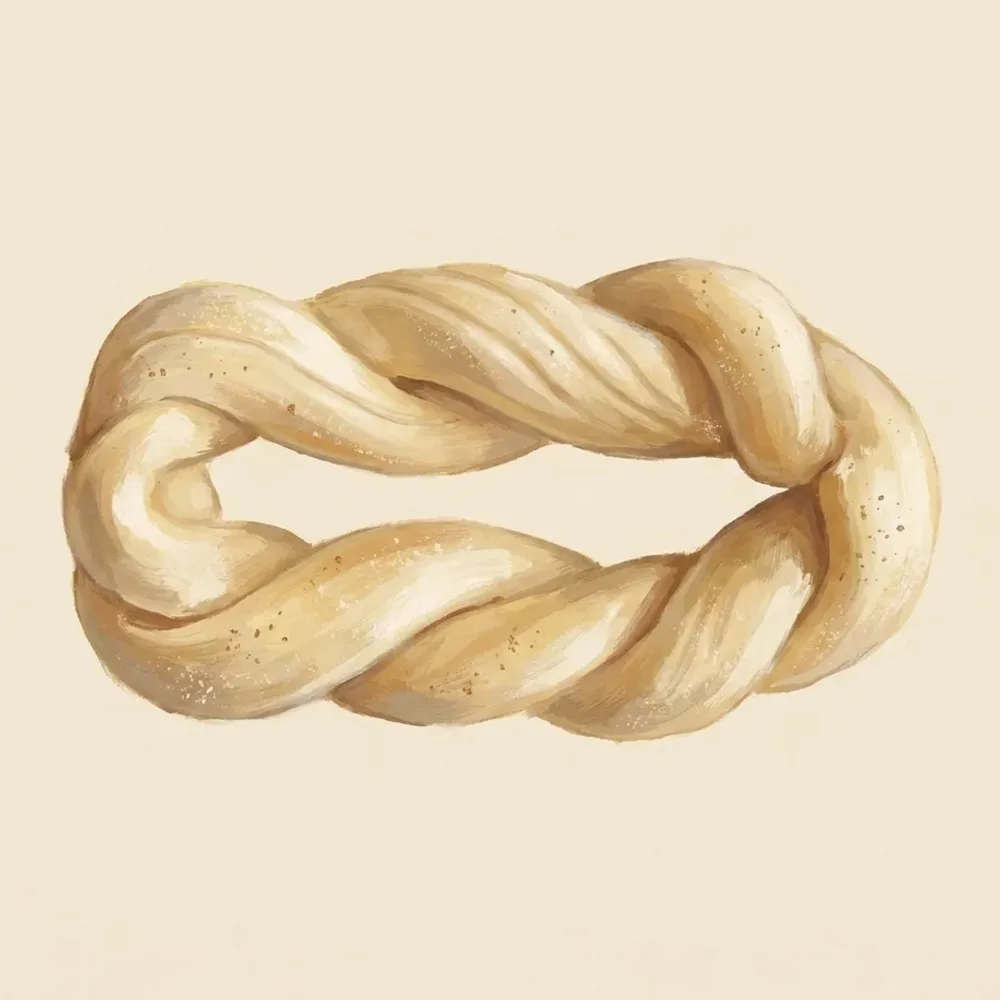
| Lorighittas | Hand-formed regional | two thin strands of dough twisted and braided together, then joined edge to edge into a closed ring | n/a |
| Malloreddus | Hand-formed regional | small ridged elongated shell, often saffron-tinted | 10 |