Culurgiones
Also known as culurgionis, culurgiones d'ogliastra.
What it is
On the eve of All Saints in Ogliastra, families once left a small plate of culurgiones out overnight in memory of the dead, then gave them to neighbors as alms the next day. The parcel is closed by hand into a spighitta, a wheat-ear seam pinched shut between thumb and forefinger, a sign meant to call in a good farming year. The Ogliastra filling is potato, Sardinian cheese, garlic, and mint, not the ricotta found in southern Sardinian versions. Pinching the pleat well takes practice, which is part of why the shape stayed regional. Since 2015 the name Culurgionis d'Ogliastra has been protected, with EU PGI registration recorded on 28 September 2016. The closed parcels were also kept as small amulets thought to guard a household from mourning.
Sources disagree and no major dictionary settles it. Wiktionary's entry for culurgiones carries no etymology and flags the section as missing or incomplete. Italian food and language writers report two folk theories, both tied to the parcel's shape: that the name traces to Latin culleus, a leather pouch or sack, and that it relates to cuna, meaning cradle or hollow. A Sardinian gloss recorded by MangiareSardo reads the word plainly as ritaglio di pasta, a cut of dough. Treccani has no dedicated entry for the term.
What sauce it wants, and why
The filling carries the dish, so the dressing stays quiet. Potato, Sardinian cheese, and mint sit inside a hand-pinched parcel, and the cook does not fight that. The classic finish is a simple tomato sauce with a dusting of Pecorino Sardo, sometimes just olive oil. Butter works the same way. The wheat-ear seam seals the parcel during the boil, holding the soft filling together, so the sauce only needs to coat the pasta and echo the cheese already inside.
Classic plates: culurgiones d'ogliastra al pomodoro.
No culurgiones? Use these
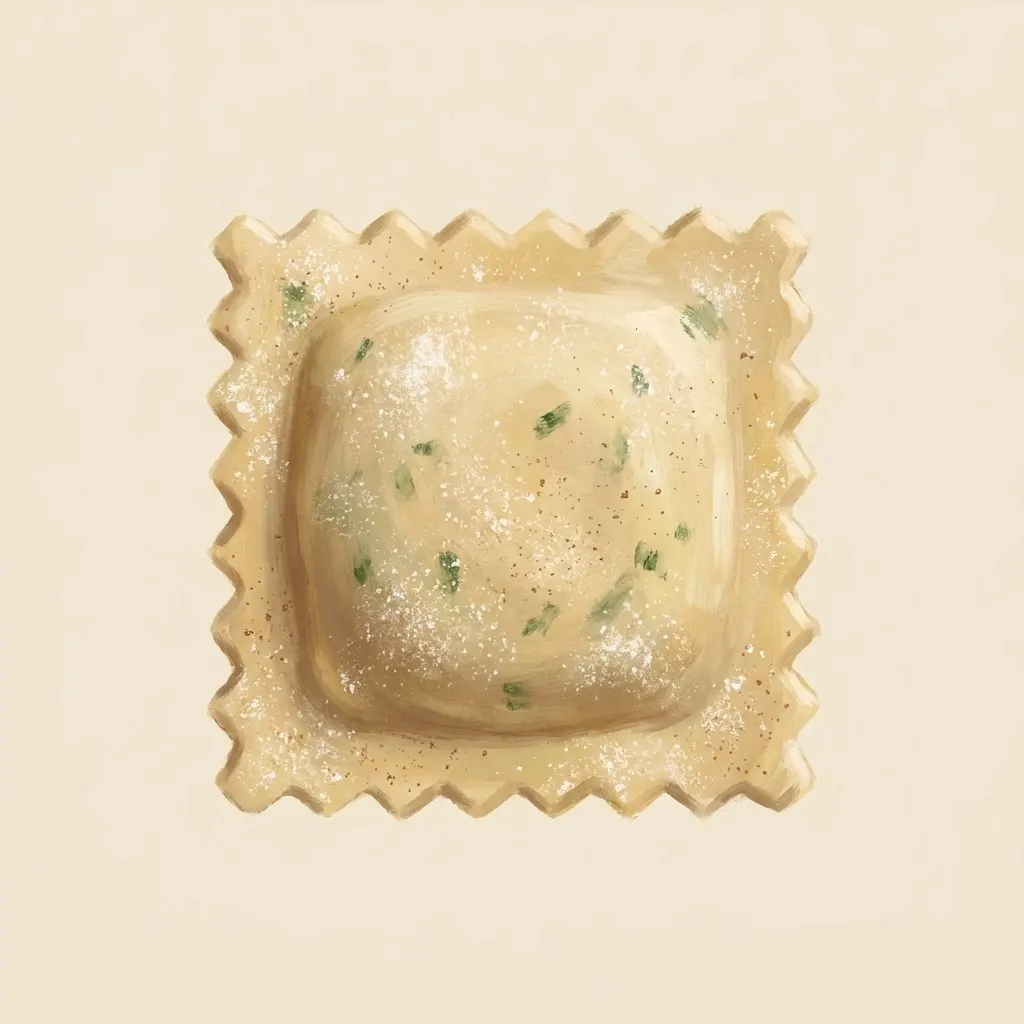
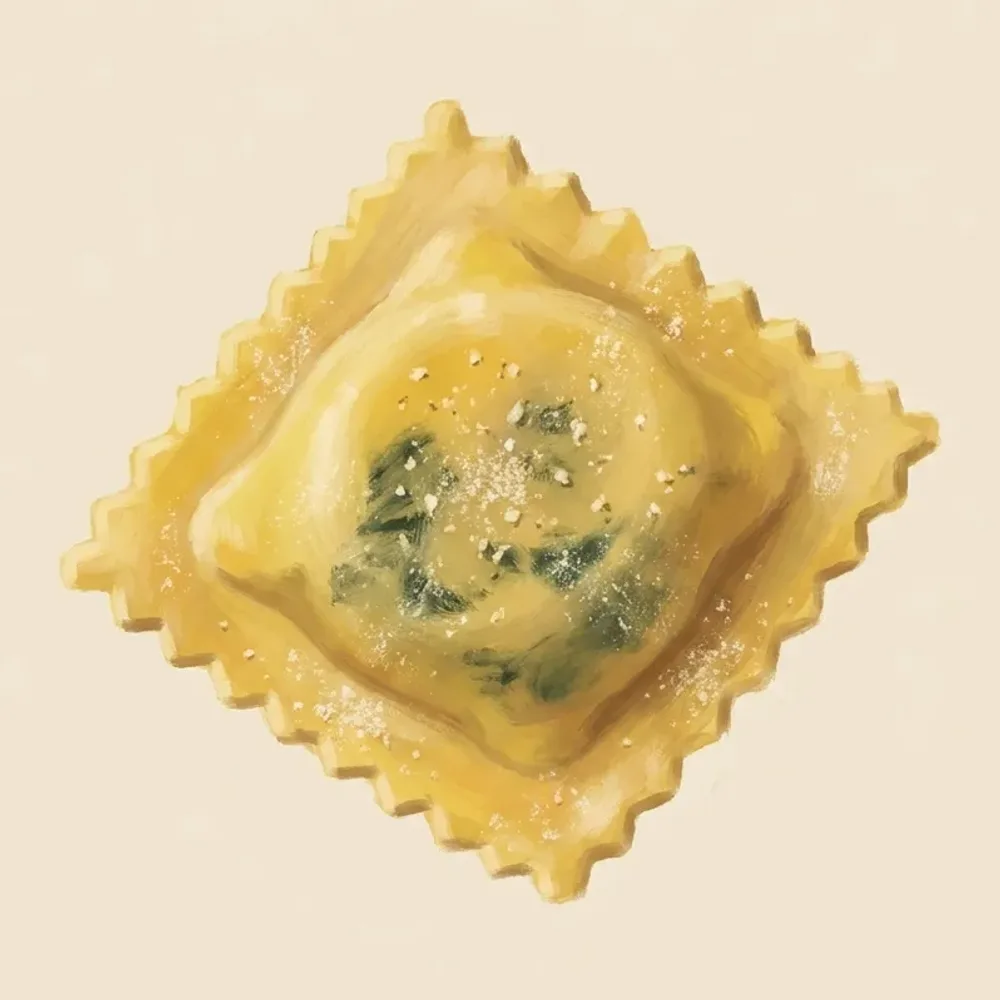
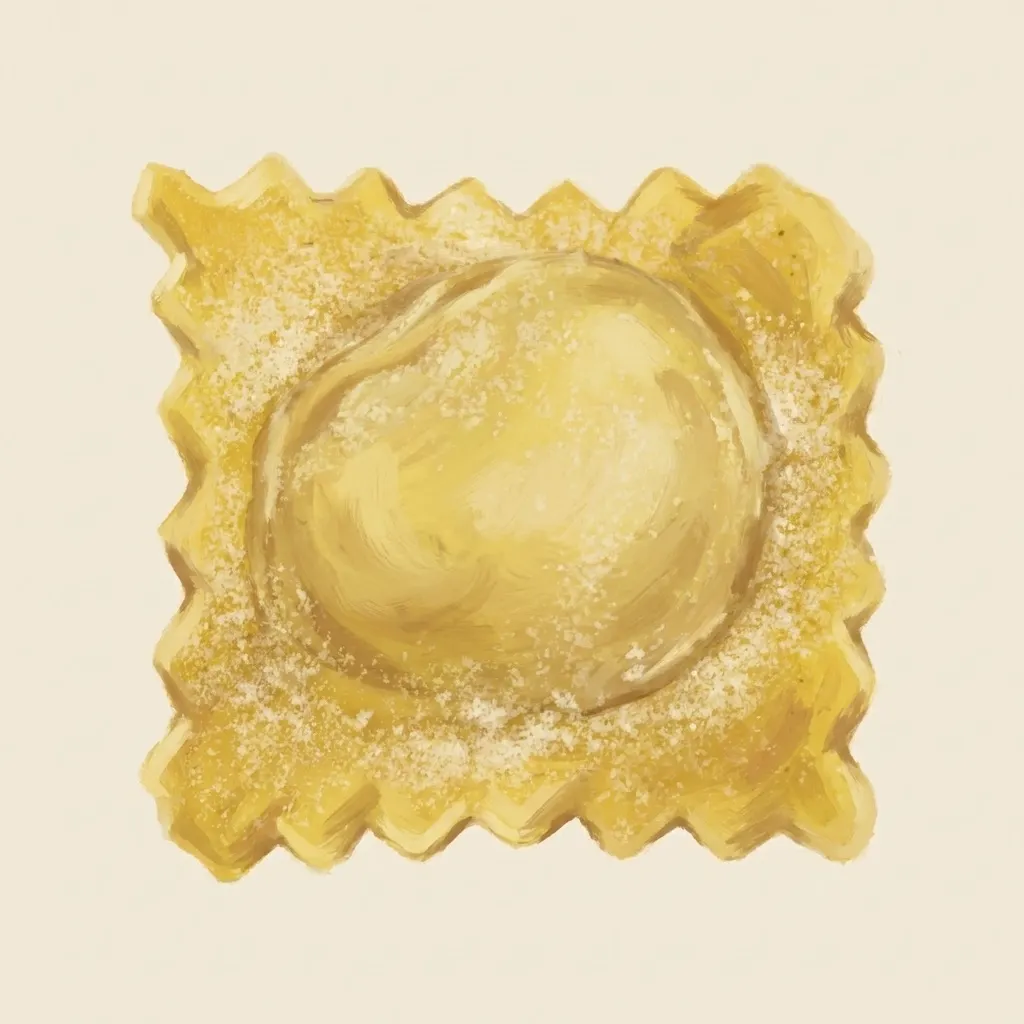
Closest swaps by sauce behavior, not by looks. The ones most easily confused with culurgiones, and how they read.
Stay in the loop
From the Almanac
Updates from Pasta Almanac, when there is something worth sharing.