Manicotti
man-ih-KAH-tee; IPA /ˌmænɪˈkɑti/ (US English, Wiktionary). Italian-American dialect speakers often say something close to 'manigott'.
Also known as manicotti shells, maniche.
What it is
Etymonline dates the word's first appearance in English print to 1946. The shape behind it is Italian-American. Italy makes the same baked dish but calls it cannelloni, and dried tubes labeled manicotti are not sold there. American mills built the box version: wide durum tubes, usually ridged, often cut on an angle, sized to take a spoonful of ricotta and survive the oven. The package logic assumes stuffing, so recipes undercook the pasta on purpose. There is an older path to the dish that skips extrusion entirely. In many Italian-American families, especially among older generations, manicotti means crespelle, thin egg crepes rolled around cheese and baked under sauce. The Italian cousin carries its own legend. One account, repeated by food writers, credits chef Salvatore Coletta of Amalfi with inventing cannelloni in 1924. Another points to Vincenzo Corrado's stuffed pasta tubes in Naples a century earlier. Both stories are attributions, not settled fact.
From Italian manicotto, a muff or hand warmer, built on manica, sleeve, so the plural manicotti reads as muffs or little sleeves. Etymonline traces the root to Latin manicae, the long sleeves of a tunic, and dates the English word to 1946.
What sauce it wants, and why
Manicotti works as a container first and a noodle second. The tube holds a heavy ricotta filling, so the sauce's job is coverage and moisture, not cling. Stuff the par-boiled tubes, lay them in a single layer in a sauced dish, then blanket them completely; exposed pasta dries and toughens in the oven. Bright tomato sauce cuts the dairy weight of the filling. Besciamella doubles down on richness for spinach or meat versions. A slow ragu turns the dish into a full casserole. Ridges and open ends grab whatever you pour.
Classic plates: cheese manicotti (ricotta, mozzarella, and Parmesan filling baked in tomato sauce), spinach and ricotta manicotti, meat-filled manicotti, crespelle-style manicotti (crepe-based, the older family tradition).
No manicotti? Use these
Closest swaps by sauce behavior, not by looks. The ones most easily confused with manicotti, and how they read.
Easy to confuse with
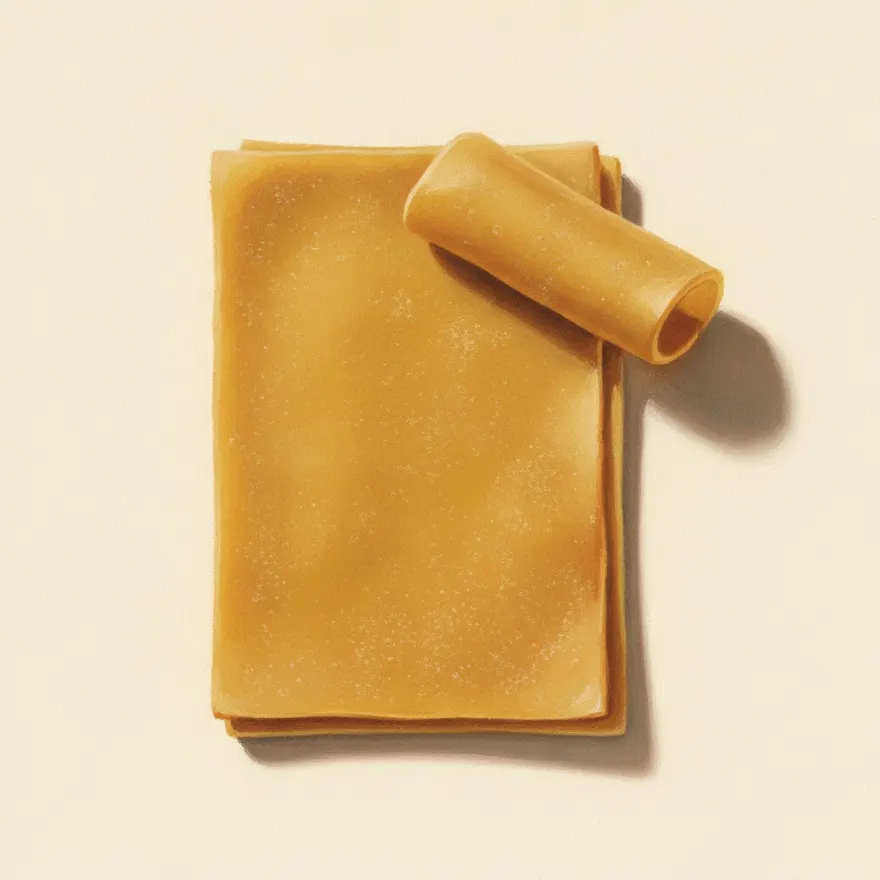
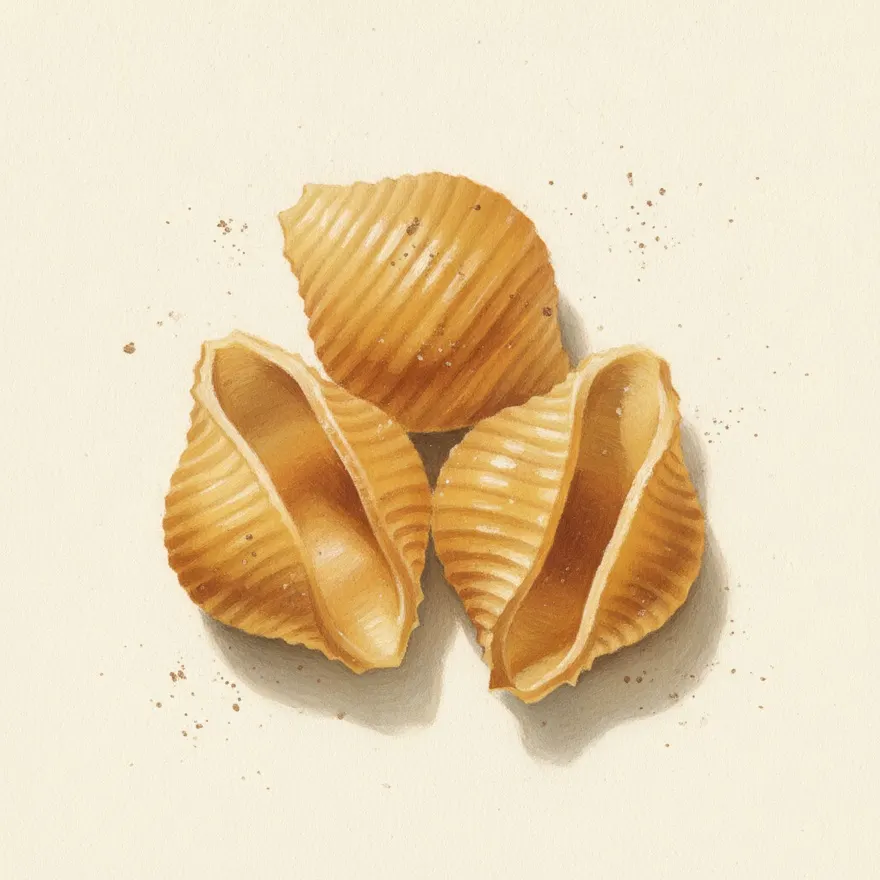
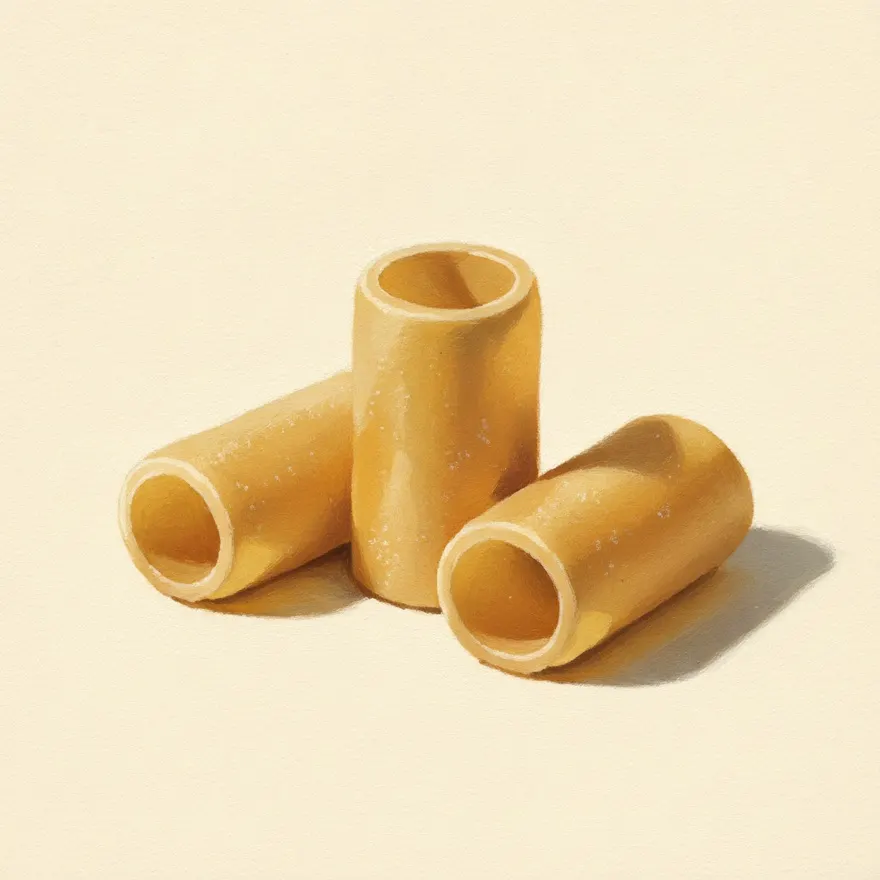
Both are large tubes made to be filled and baked. Cannelloni is a rolled flat sheet (or a smooth pre-formed tube), manicotti is ridged, and the two names are often used for each other in the United States.
Stay in the loop
From the Almanac
Updates from Pasta Almanac, when there is something worth sharing.