Cannelloni
kan-uh-LOH-nee
Also known as canelons.
What it is
On 10 August 1924, the story goes, the bells of the Cappuccini convent in Amalfi rang for a pasta dish. Chef Salvatore Coletta had just served his new creation, rolled pasta filled with minced meat, ricotta, Parmesan, and fior di latte, baked under tomato sauce. The tale comes from journalist Gaetano Afeltra and is attribution, not record. Sorrento answers with its own legend: Antonino Ercolano of the restaurant 'O Parrucchiano supposedly served similar rolls back in the 1800s. Food historians push the idea further back, with stuffed maccheroni in Italian sources by 1770 and the Neapolitan cook Vincenzo Corrado credited with an early filled prototype. The word itself entered English by the mid 1800s, while the dish as we know it spread in the early twentieth century. Catalonia adopted it too, and canelons remain a traditional Saint Stephen's Day lunch.
Plural of cannellone, an augmentative of cannello, a small tube or reed, from canna, the Latin word for reed or cane, so the name means big tubes. Dictionary sources date the English borrowing to the mid 1800s.
What sauce it wants, and why
A cannelloni does not catch sauce, it contains the meal. The filling does the flavor work, so the pasta wall stays thin and the surface stays smooth. What goes on top is a blanket, not a dressing. Besciamella spread over the rolls keeps the exposed pasta from drying in the oven and browns into a soft crust. Tomato sauce under or over the rolls adds acidity against rich ricotta or meat fillings. The classic move layers both, a light coat of each, so the baked dish stays moist without drowning the filling.
Classic plates: cannelloni ricotta e spinaci, cannelloni alla sorrentina.
No cannelloni? Use these
Closest swaps by sauce behavior, not by looks. The ones most easily confused with cannelloni, and how they read.
Easy to confuse with
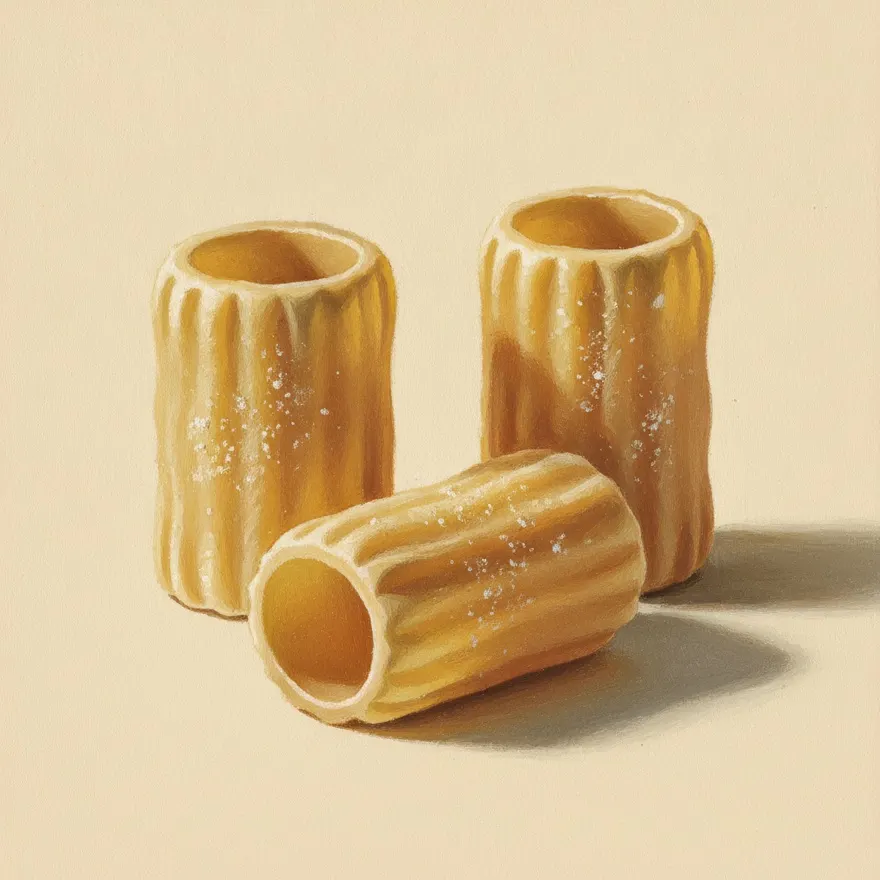
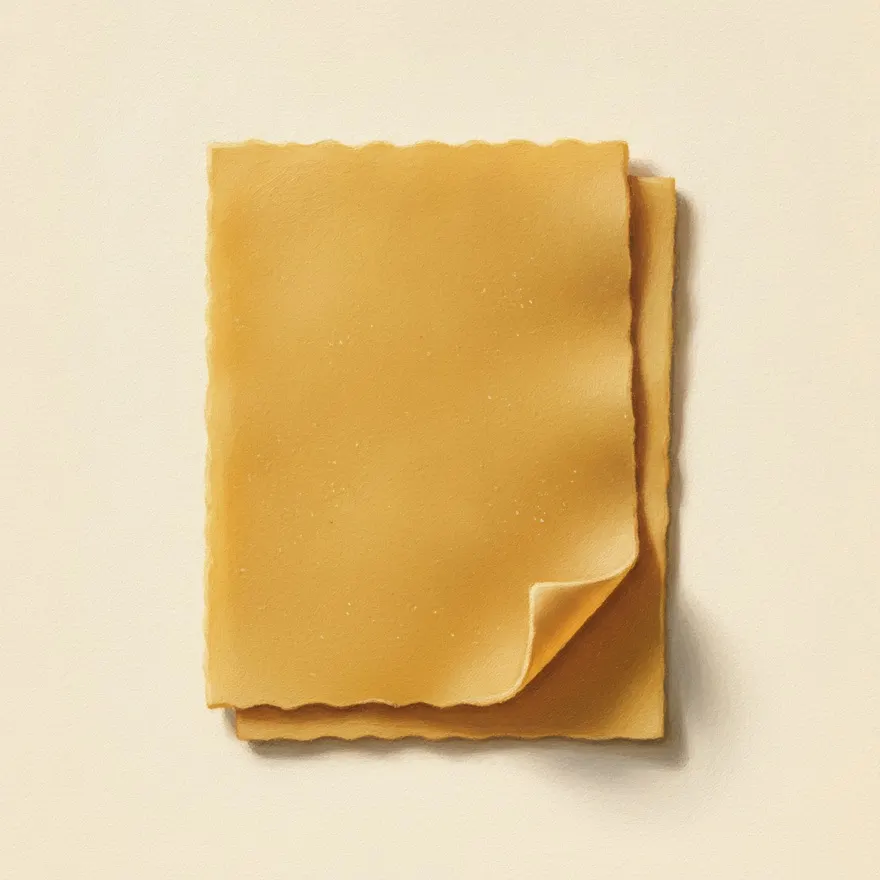
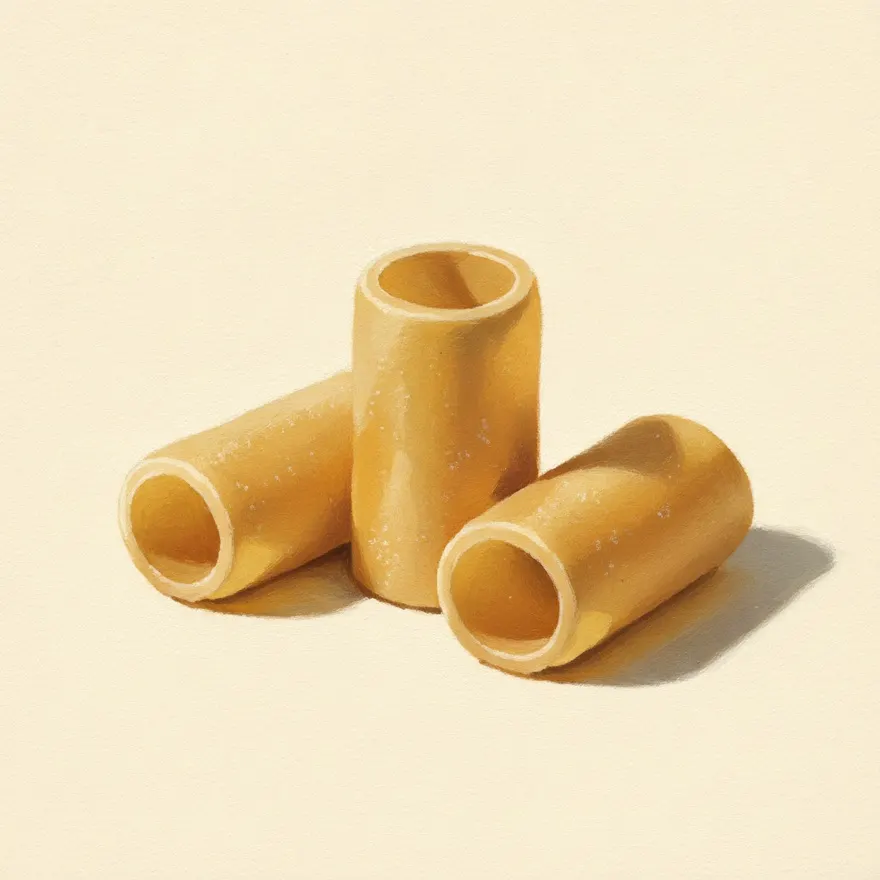
Both are large tubes made to be filled and baked. Cannelloni is a rolled flat sheet (or a smooth pre-formed tube), manicotti is ridged, and the two names are often used for each other in the United States.
Stay in the loop
From the Almanac
Updates from Pasta Almanac, when there is something worth sharing.