Alfabeto
ahl-fah-BEH-toh
Also known as alphabet pasta.
What it is
As early as 1877, Paris grocers sold small bits of macaroni stamped with the letters of the alphabet for use in soup. The shape spread fast. An 1883 Chicago Herald Cooking School cookbook called for alphabet pastes, and by 1900 alphabet soup was on New York restaurant menus. The pieces are an industrial novelty, easy to stamp once machines could press dough into fine forms. Brands made it a fixture of childhood. Campbell's, founded in 1869, marketed condensed alphabet soup to parents for its educational value, and Heinz sold Alphabetti Spaghetti for sixty years before retiring it in 1990 and bringing it back in 2005. The letters did double duty. Kids spelled words on the spoon while they ate, which turned a bowl of broth into a quiet lesson at the dinner table. It remains a soup pasta first and a toy second.
Alfabeto is the Italian word for alphabet. Wiktionary traces it to Late Latin alphabetum, from Ancient Greek alphabetos, itself built from the names of the first two Greek letters, alpha and beta. The pasta carries the name plainly: each piece is a tiny molded letter, so a handful of alfabeto is a scattered alphabet in the bowl.
What sauce it wants, and why
This is pastina scale, so the cooking liquid is the dish. Alfabeto belongs in broth, where the letters float and stay visible against a clear background. A simple finish of butter and grated Parmesan suits it when cooked risotto style in stock. Skip anything thick or chunky. A heavy sauce buries the shapes and defeats the whole point, which is reading the bowl. Clear soups and light, creamy bases let the letters do the talking.
Classic plates: alphabet soup, pastina in brodo.
No alfabeto? Use these
Closest swaps by sauce behavior, not by looks. The ones most easily confused with alfabeto, and how they read.
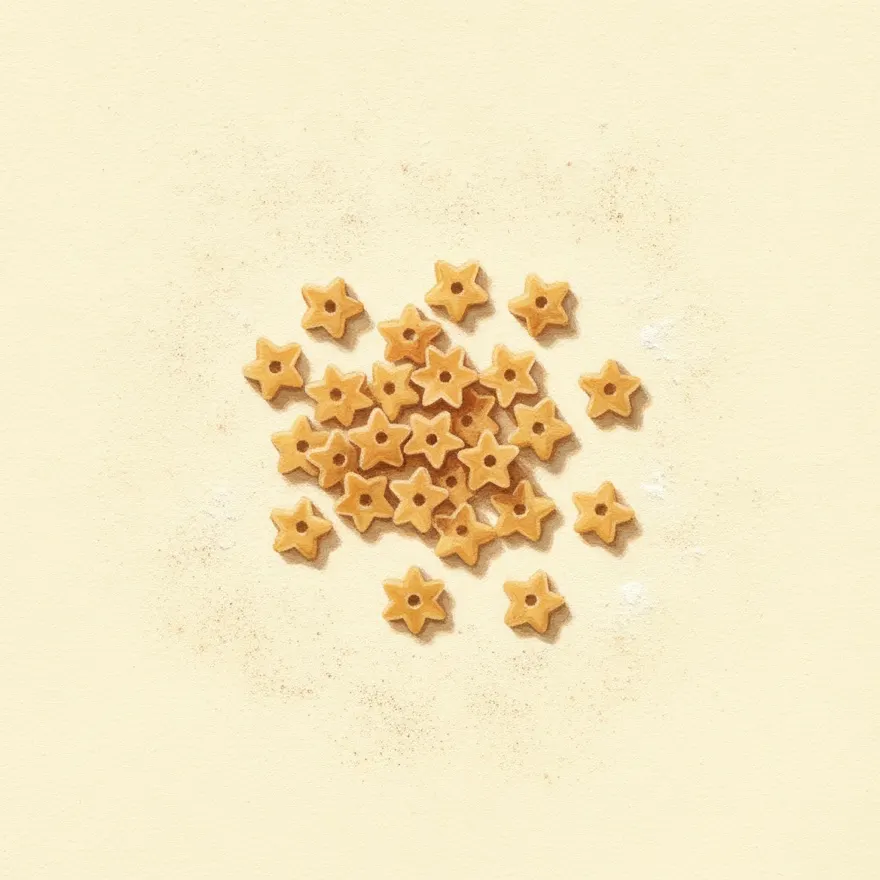
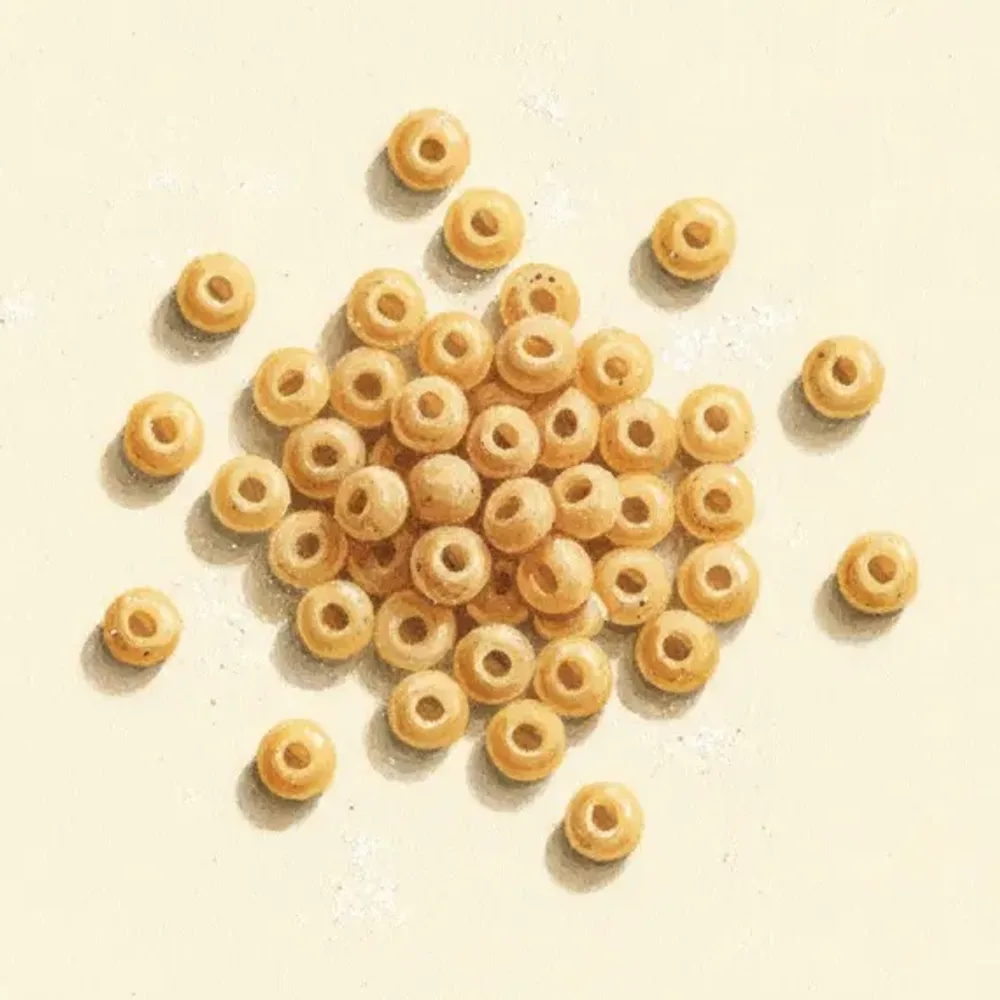
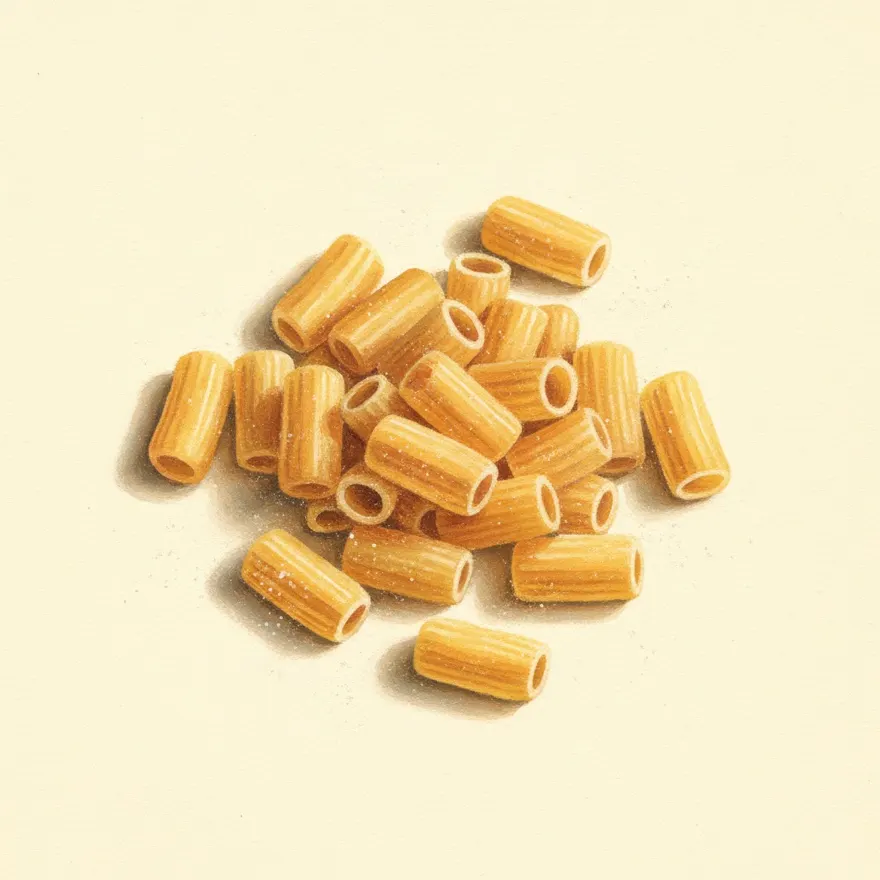
Alfabeto vs Ditalini·Alfabeto vs Anellini·Alfabeto vs Acini di pepe·Alfabeto vs Stelline
Easy to confuse with
Tiny soup shapes that blur together in broth: ditalini are little tubes, anellini little rings, acini di pepe round beads, stelline stars, and alfabeto letters.
Stay in the loop
From the Almanac
Updates from Pasta Almanac, when there is something worth sharing.