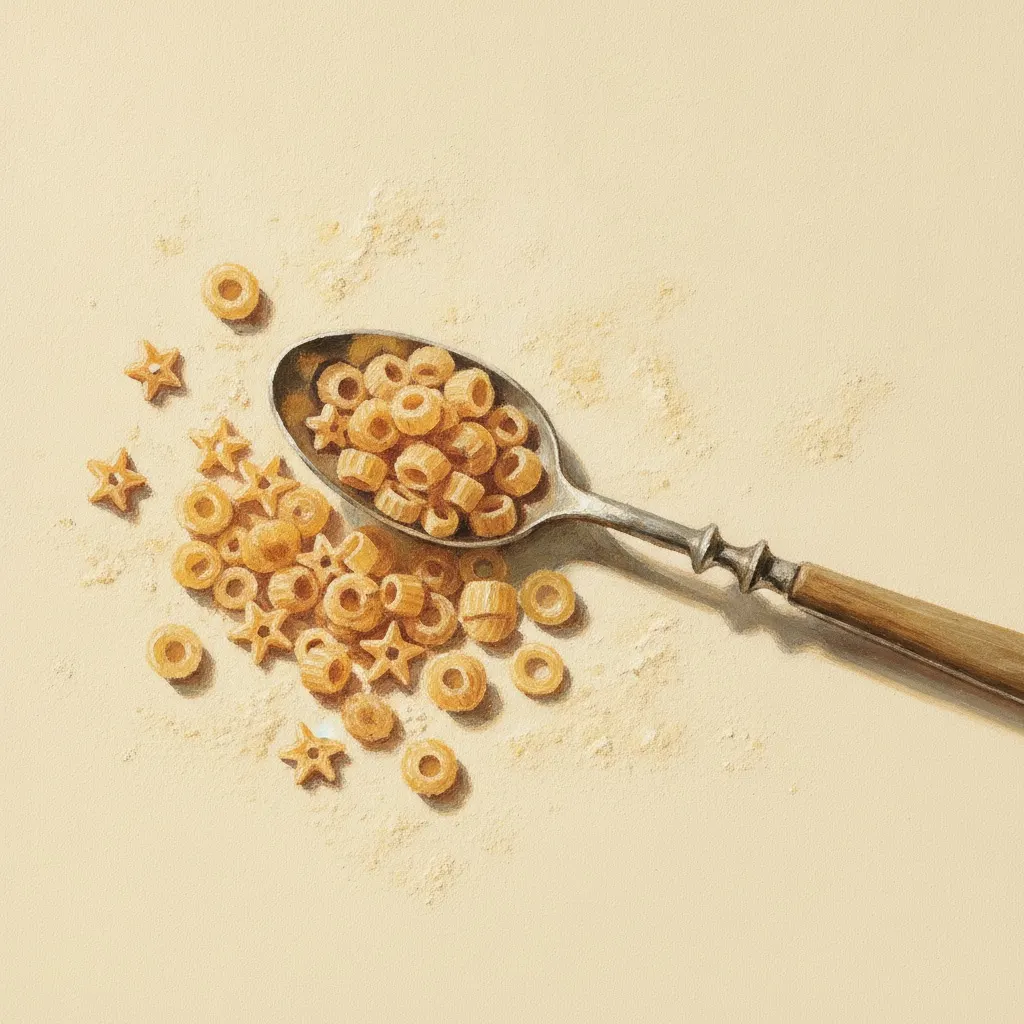
Pastina
Pastina is pasta at the scale of a grain, and it behaves like one. Stars, seeds, rings, and tiny tubes are made for broth, soup, and the bowls of children and convalescents. At this size, surface ratios flip: the shapes absorb rather than carry, which is why a handful of pastina thickens a soup and why toasted orzo can impersonate risotto. It is the most domestic family, the one most Italians met first, and the one search engines underestimate.
Compare the family
| Shape | Section | Cook (min) | Surface |
|---|---|---|---|
| Acini di pepe | tiny bead | 9-11 | smooth |
| Alfabeto | tiny letter shapes | 8 | textured |
| Anellini | tiny ring | n/a | smooth |
| Ditalini | tiny straight tube | 7-11 | ridged |
| Fideos | short thin strand | n/a | smooth |
| Fregola | irregular toasted bead, graded fine to coarse | 10 | textured |
| Orzo | flattened grain, rice shape | 5-11 | smooth |
| Quadrucci | small flat square of egg pasta | 2-4 | smooth |
| Stelline | tiny five or six pointed star, often with a center hole | 4-7 | smooth |
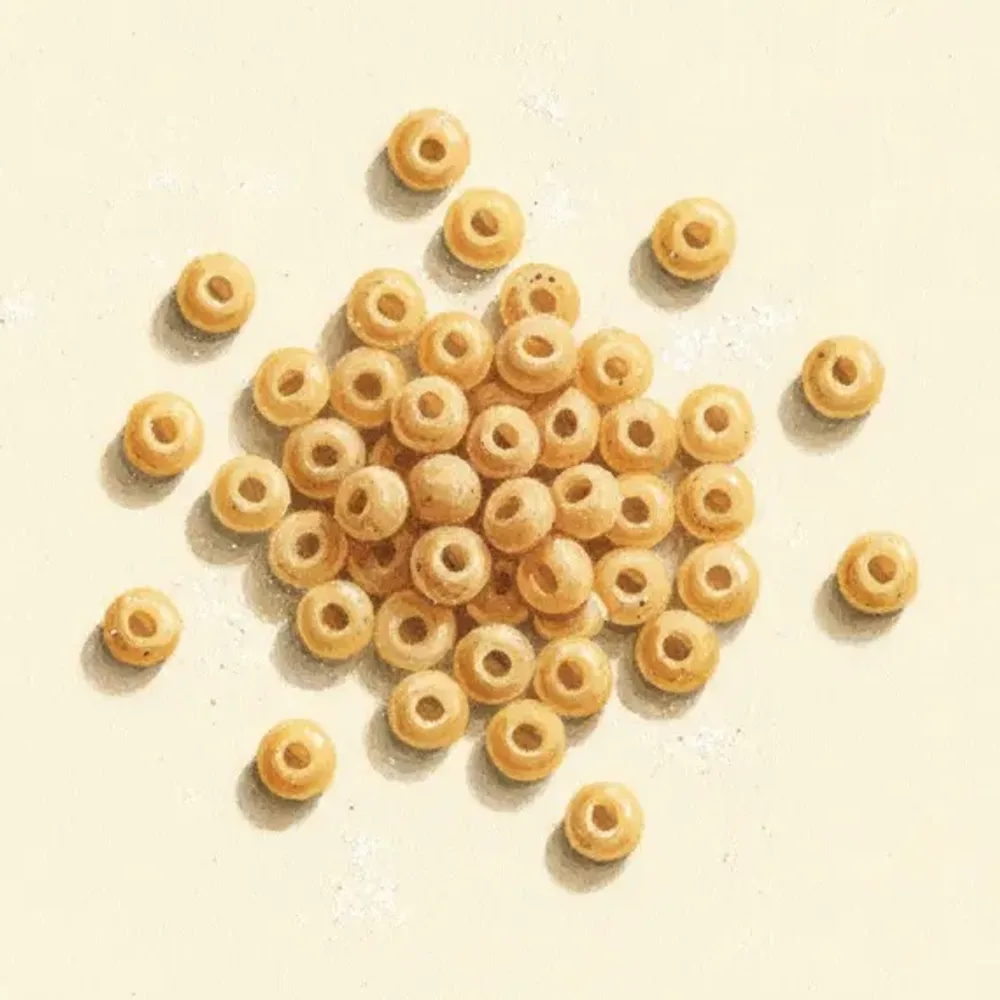
Acini di pepe
AH-chee-nee dee PEH-peh
Pastina
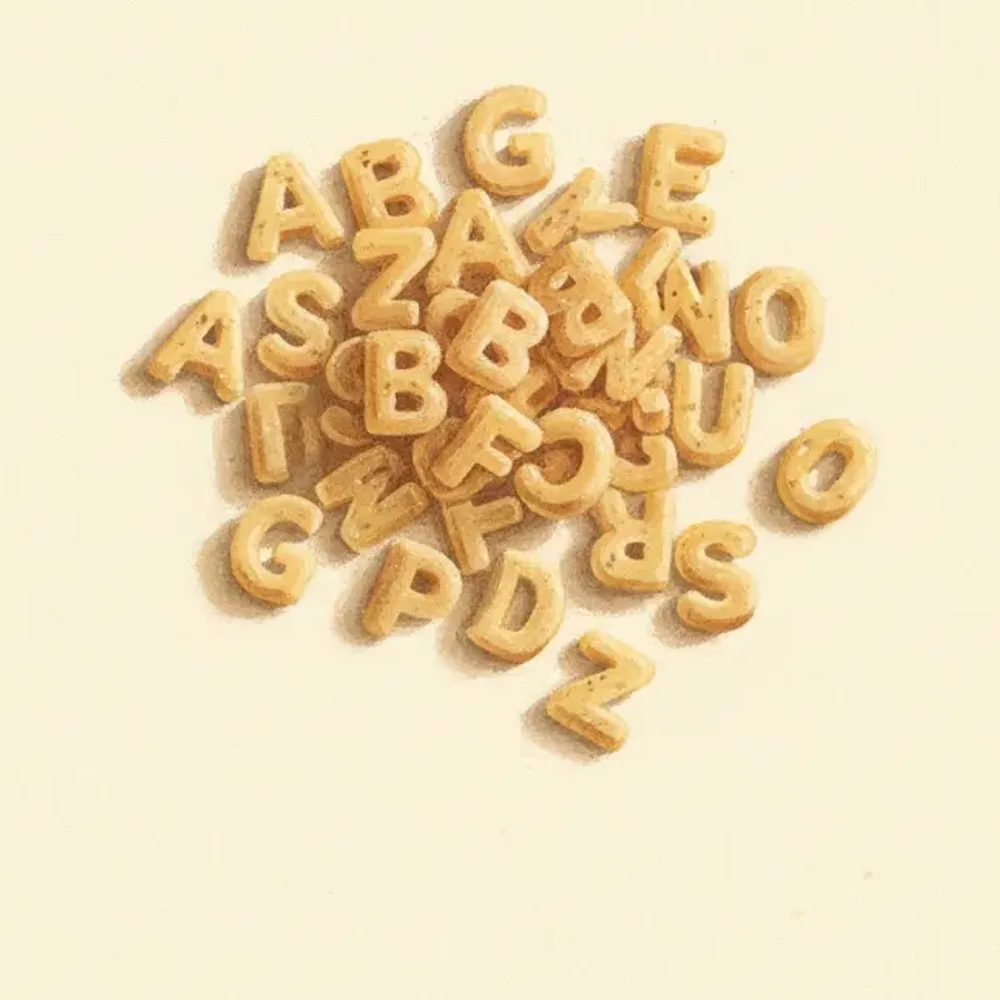
Alfabeto
ahl-fah-BEH-toh
Pastina
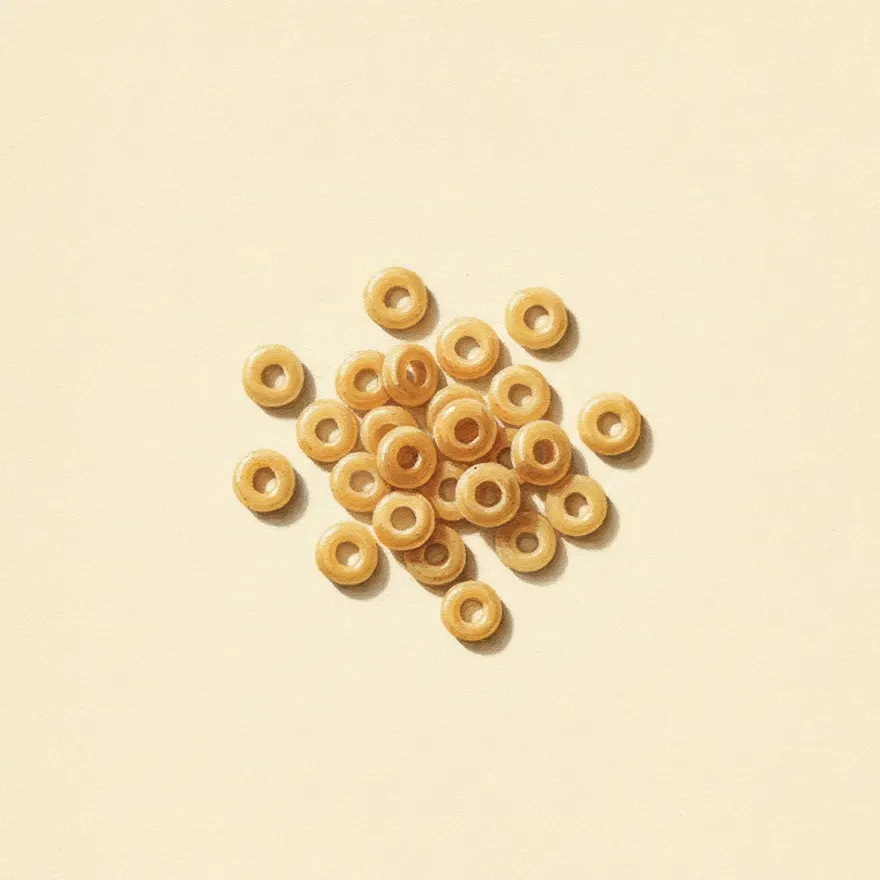
Anellini
Pastina
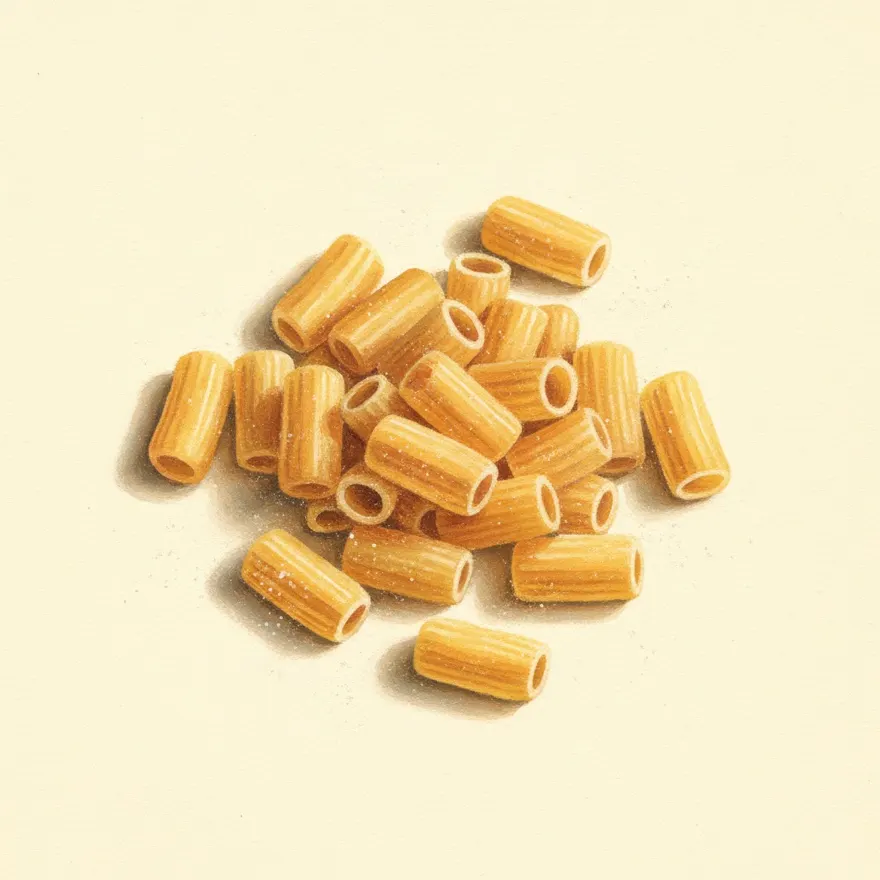
Ditalini
dee-tuh-LEE-nee; English IPA /ˌdiːtəˈliːni/ per Wiktionary (no Italian IPA found this session)
Pastina
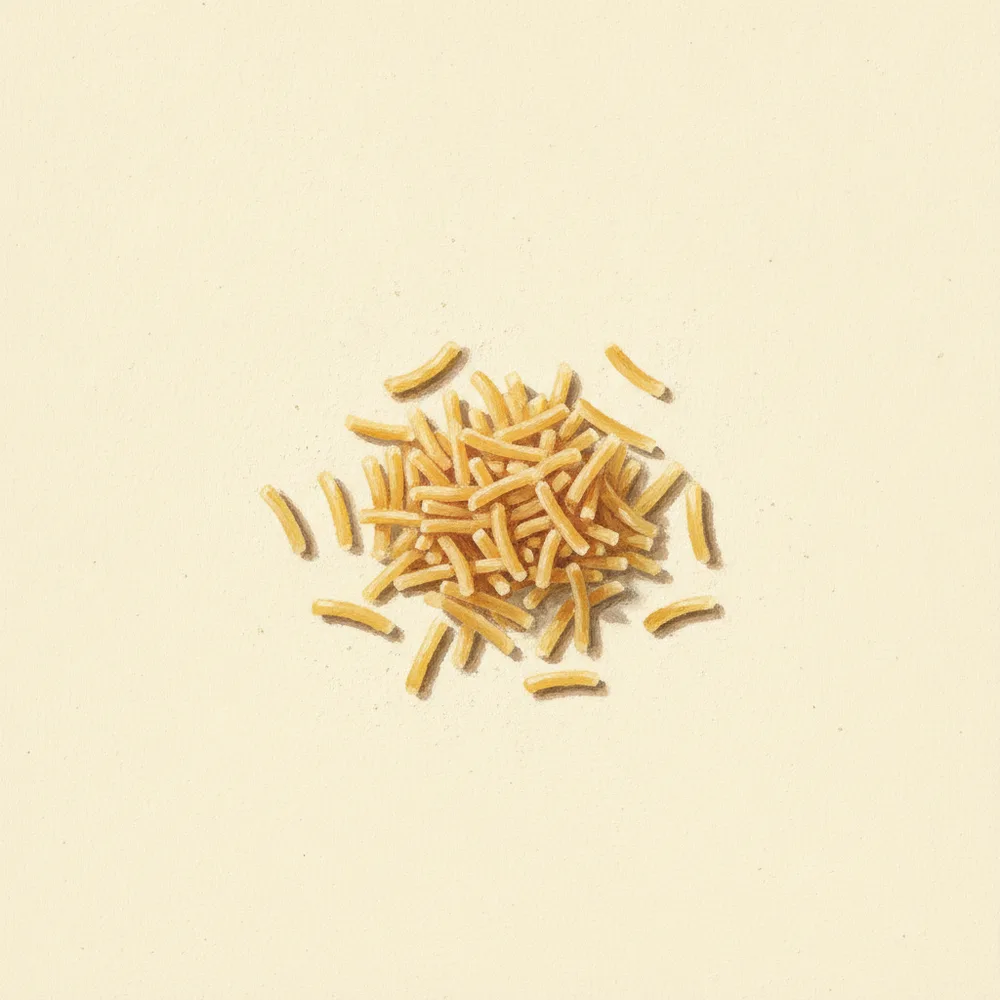
Fideos
Pastina
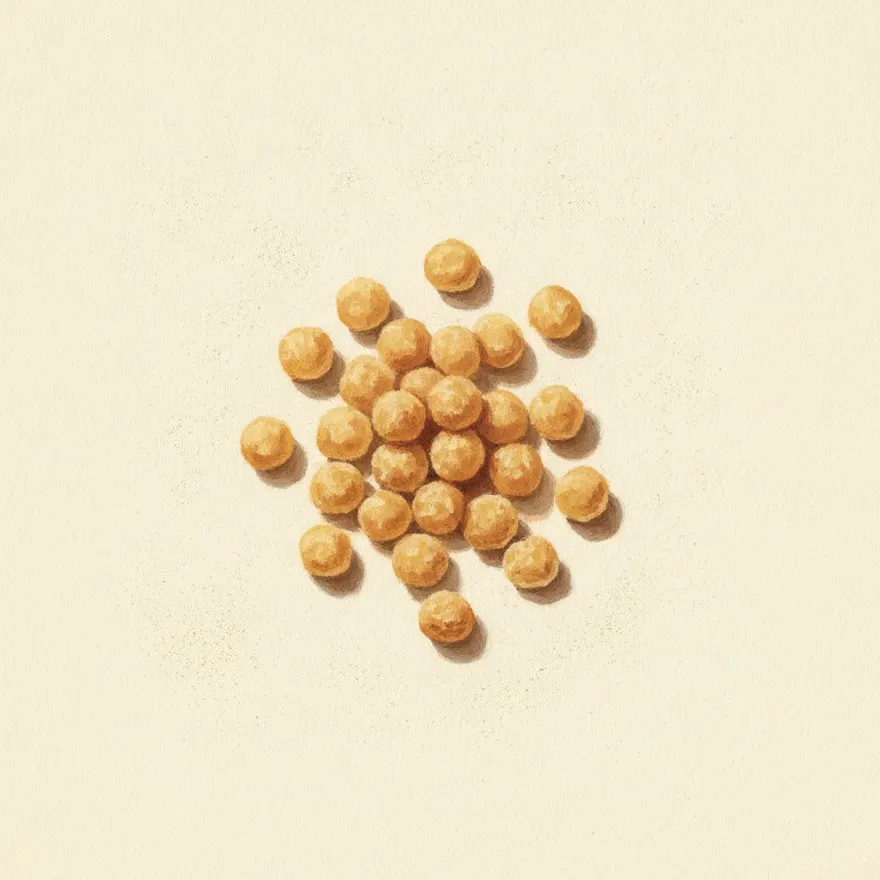
Fregola
FREH-go-la (Italian IPA: /ˈfre.ɡo.la/, per Wiktionary)
Pastina
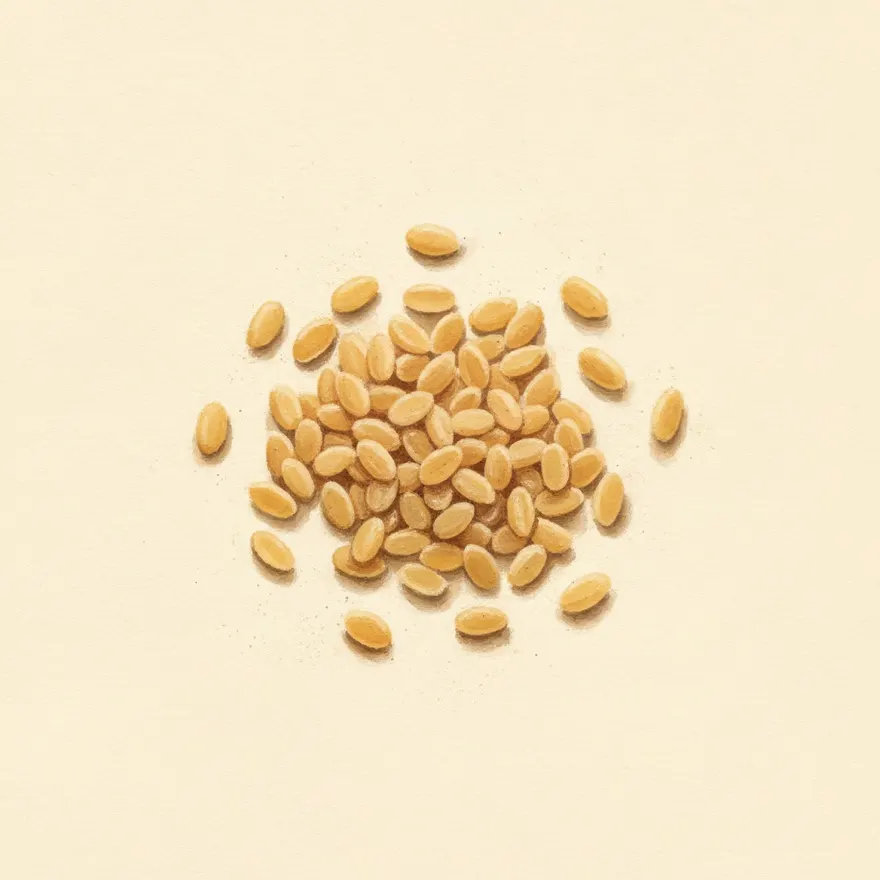
Orzo
OR-zoh
Pastina
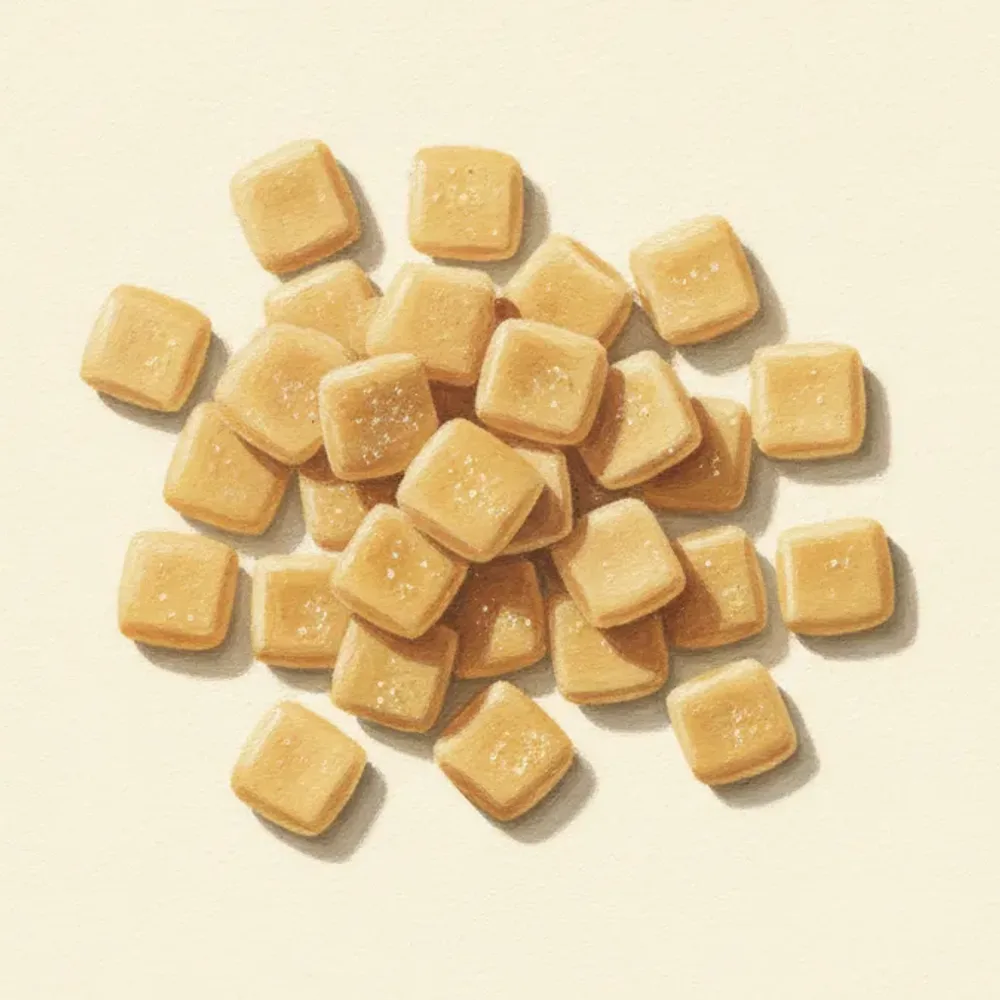
Quadrucci
kwah-DROO-chee
Pastina
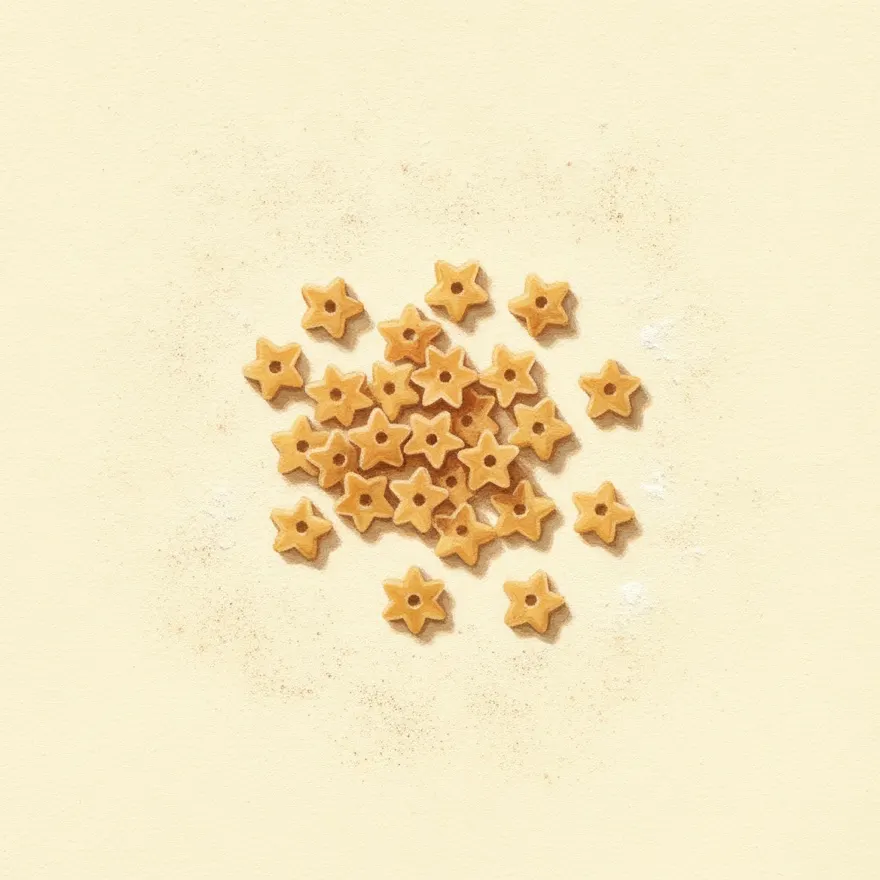
Stelline
stel-LEE-neh (Italian plural of stellina)
Pastina