The best shapes for bean and legume soups
Beans or chickpeas cooked with a small amount of pasta in their own starchy liquid, so the dish thickens itself as it sits. Soup and pasta at the same time, and it is eaten with a spoon.
The legume soups of the south. Small tubes and elbows ride the spoon with the beans and drink the starchy broth.
Canonical: ditalini, macaroni, tubetti.
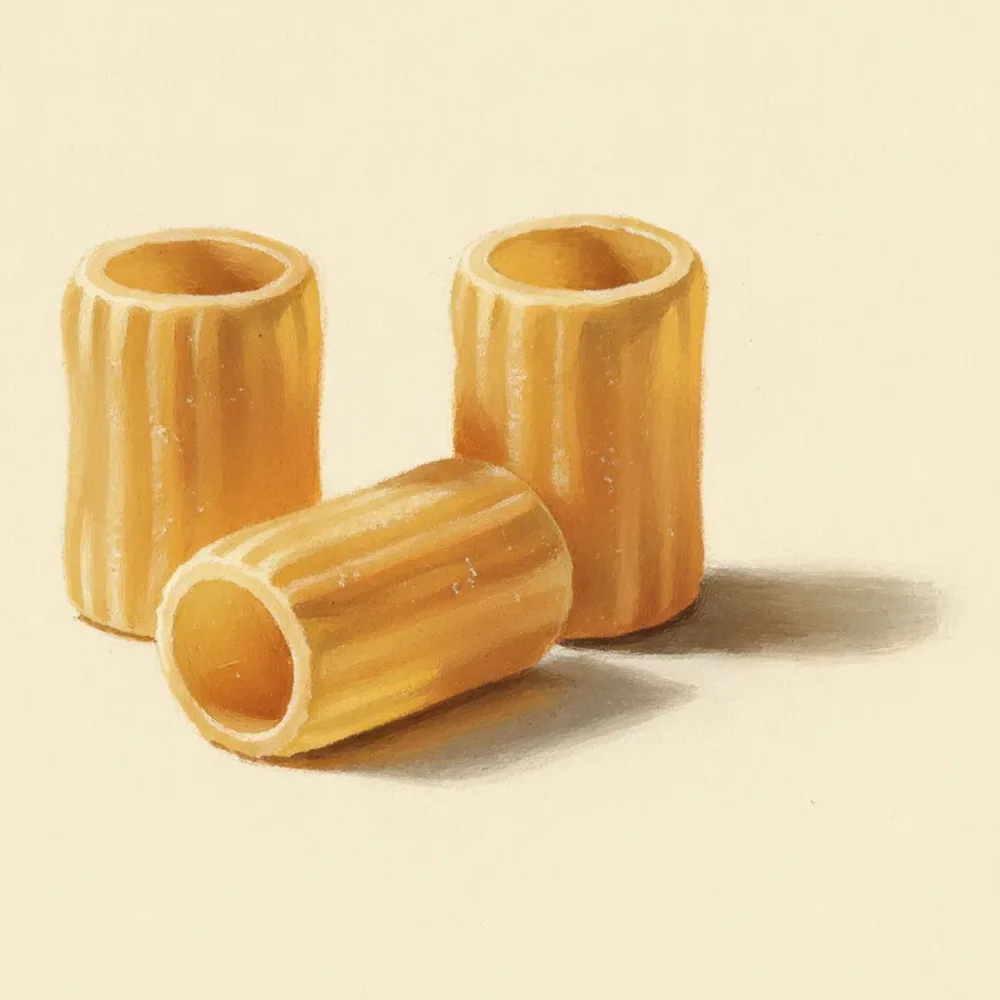
A short small tube reads as a soup and braise pasta first.
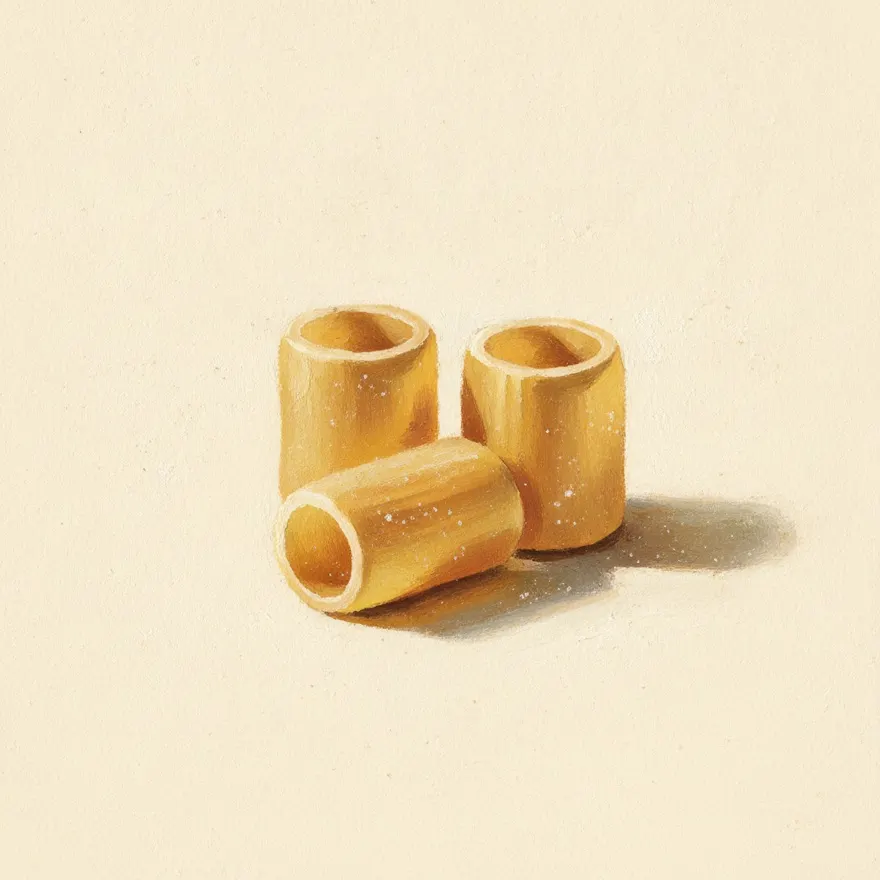
This is a spoon shape.
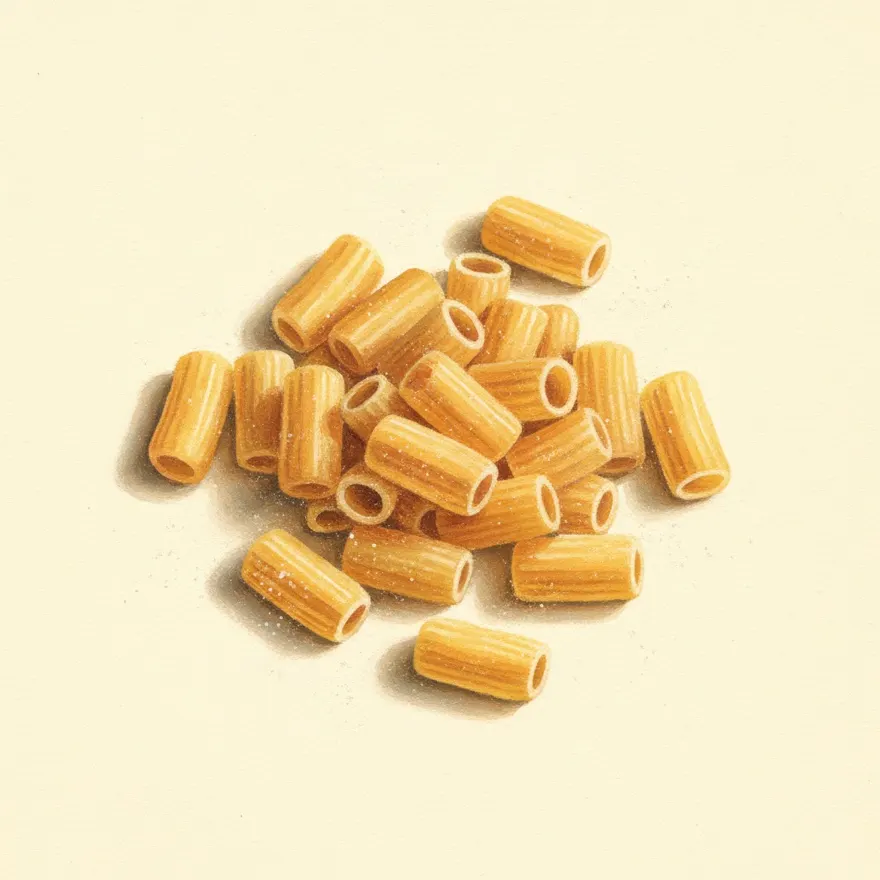
Scale every pairing to a soup spoon.
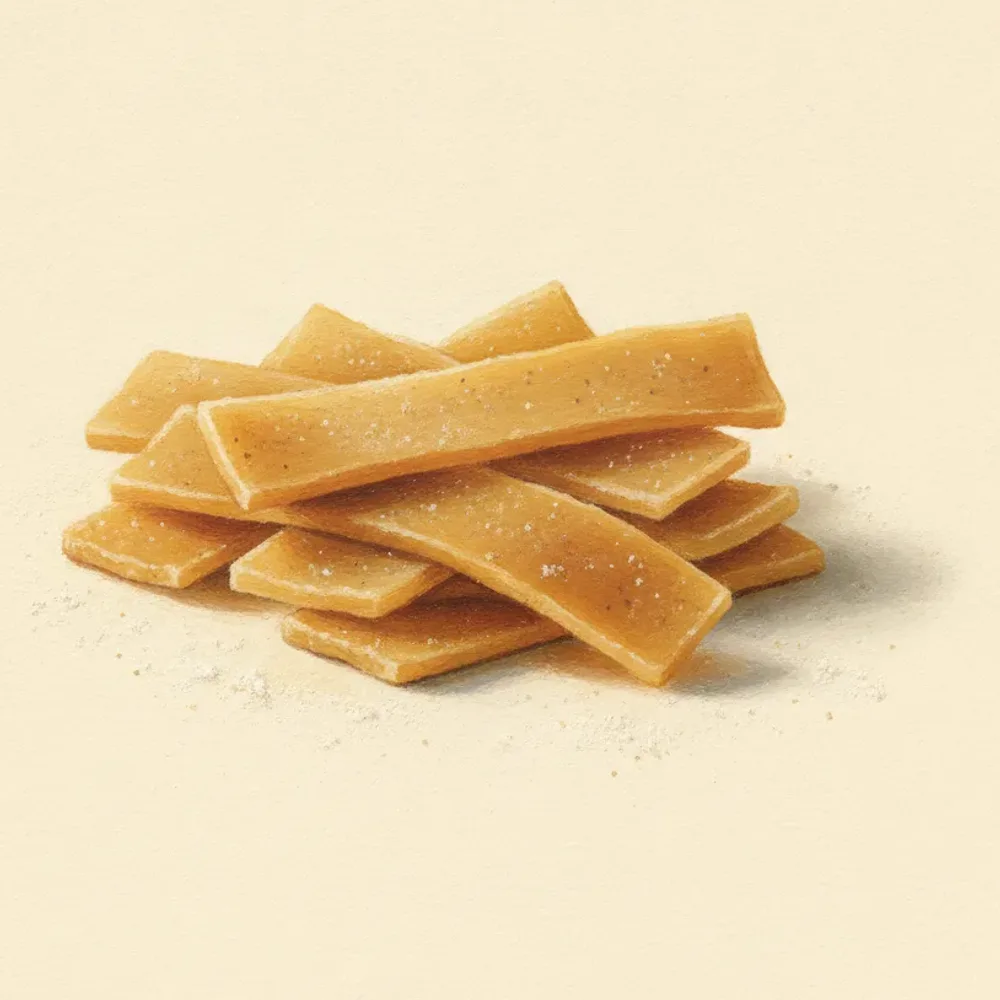
A broad rough surface and an eggless dough that cooks up firm let lagane grip a thick legume sauce, which is why the classic treatment is chickpeas stewed with garlic, rosemary, and olive oil.
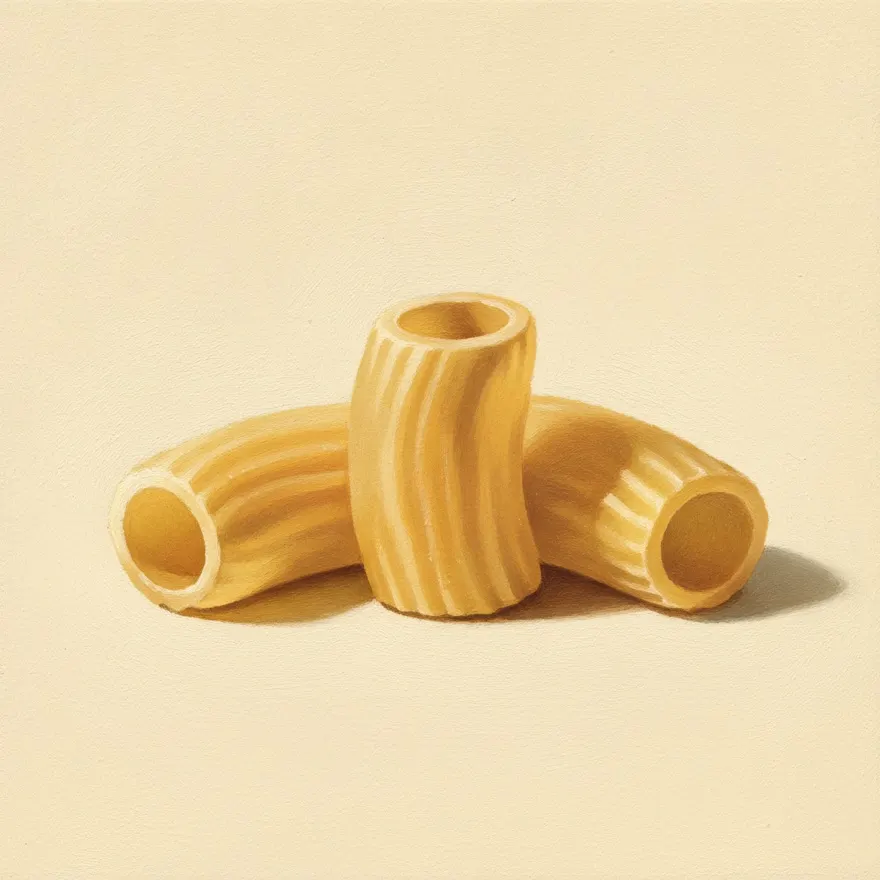
Elbows are open at both ends, so sauce flows through the cavity instead of pooling against a closed seam.
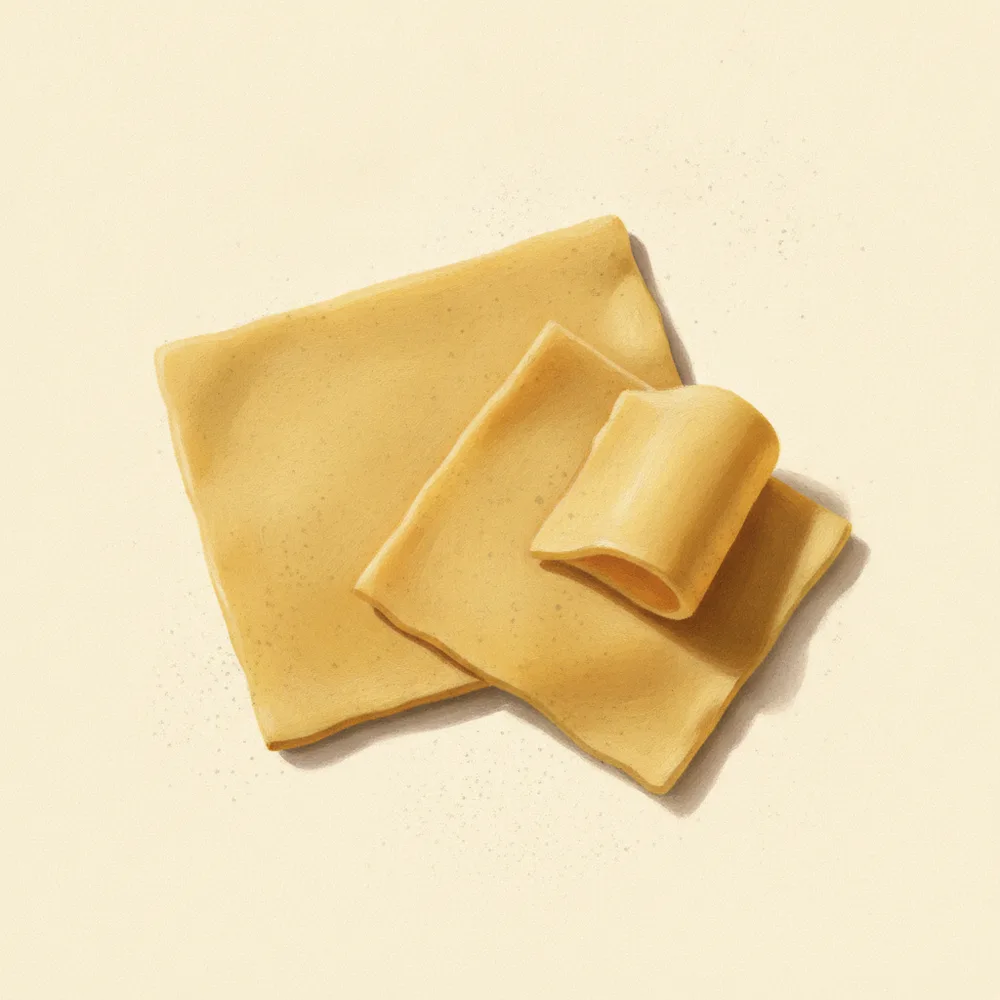
Because the pieces are flat, thin, and uneven, they cook fast and behave differently across their varied thicknesses, which suits them to broths and brothy bean or chickpea soups where the pasta thickens the liquid.
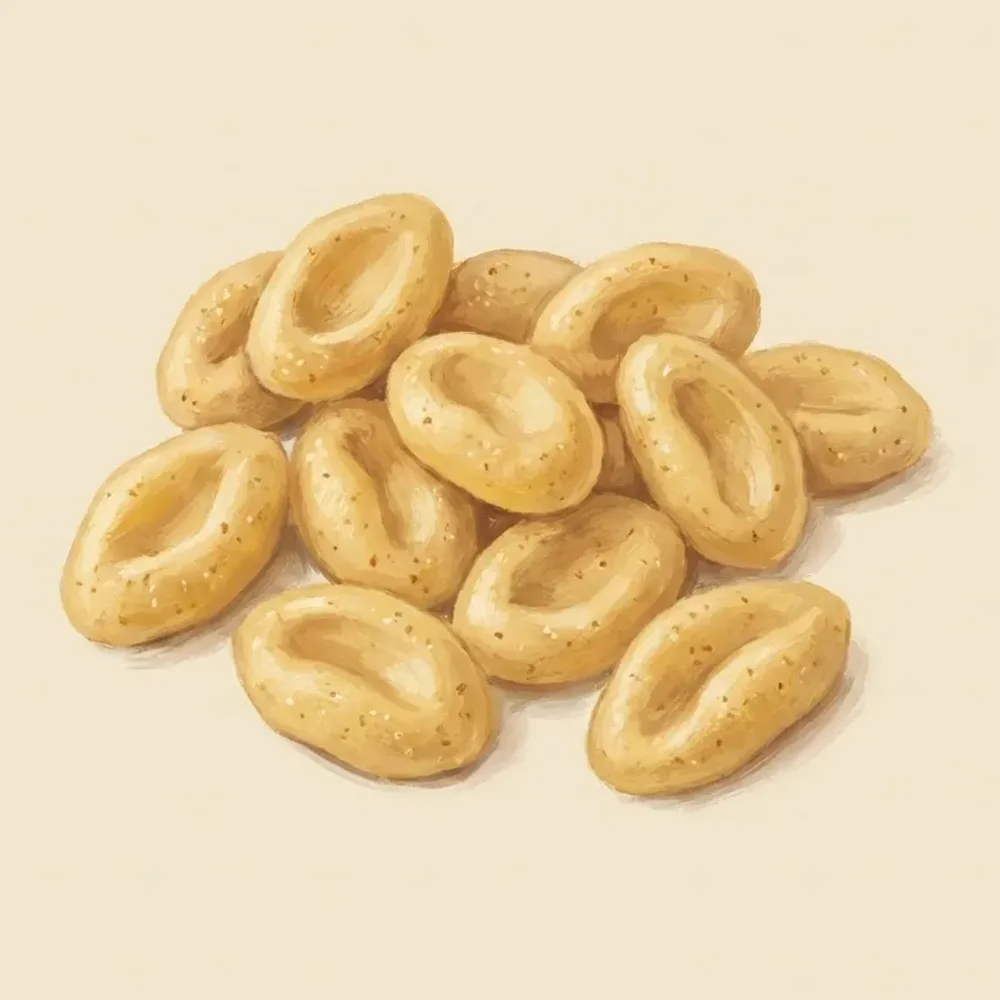
Each piece is pressed with the thumb into a little concavity, and that hollow plus the rough breadcrumb surface catches a chunky sauce.
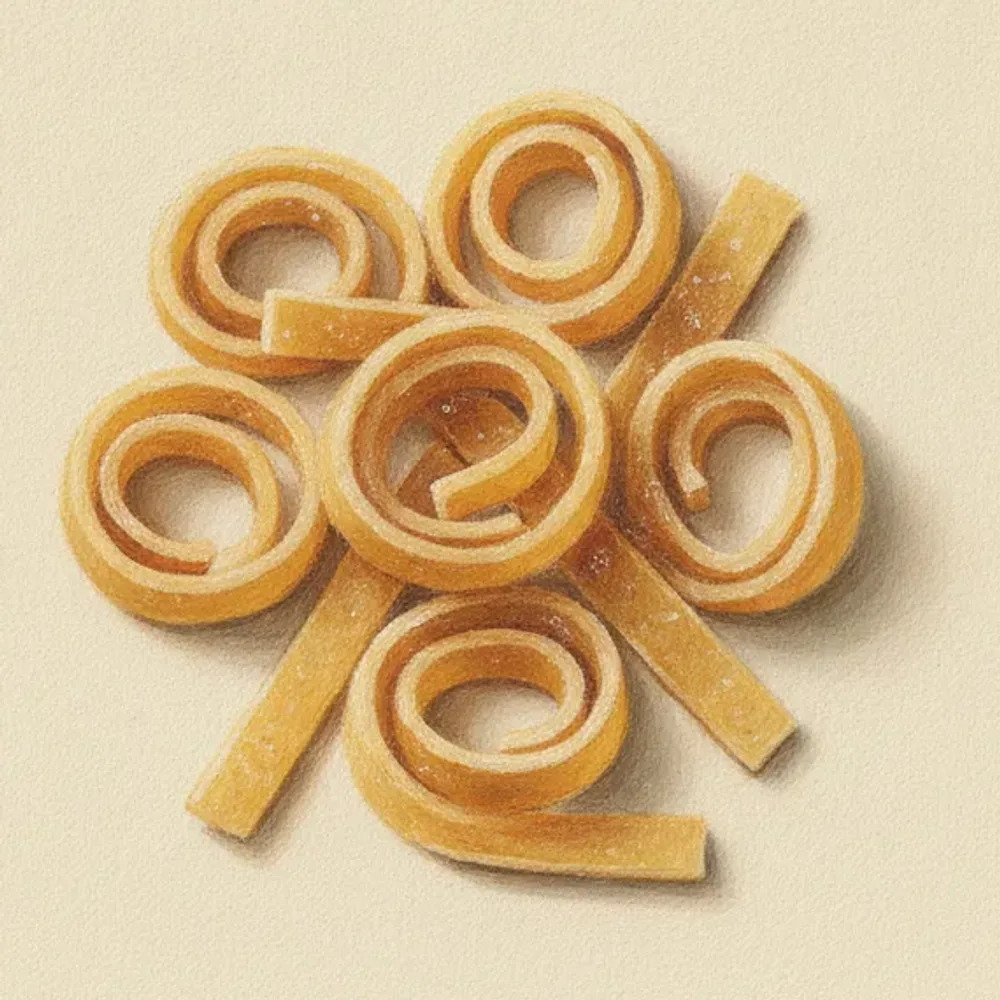
The open twist and the rough hand-rolled surface of the semolina ribbon catch and hold sauce in their folds.
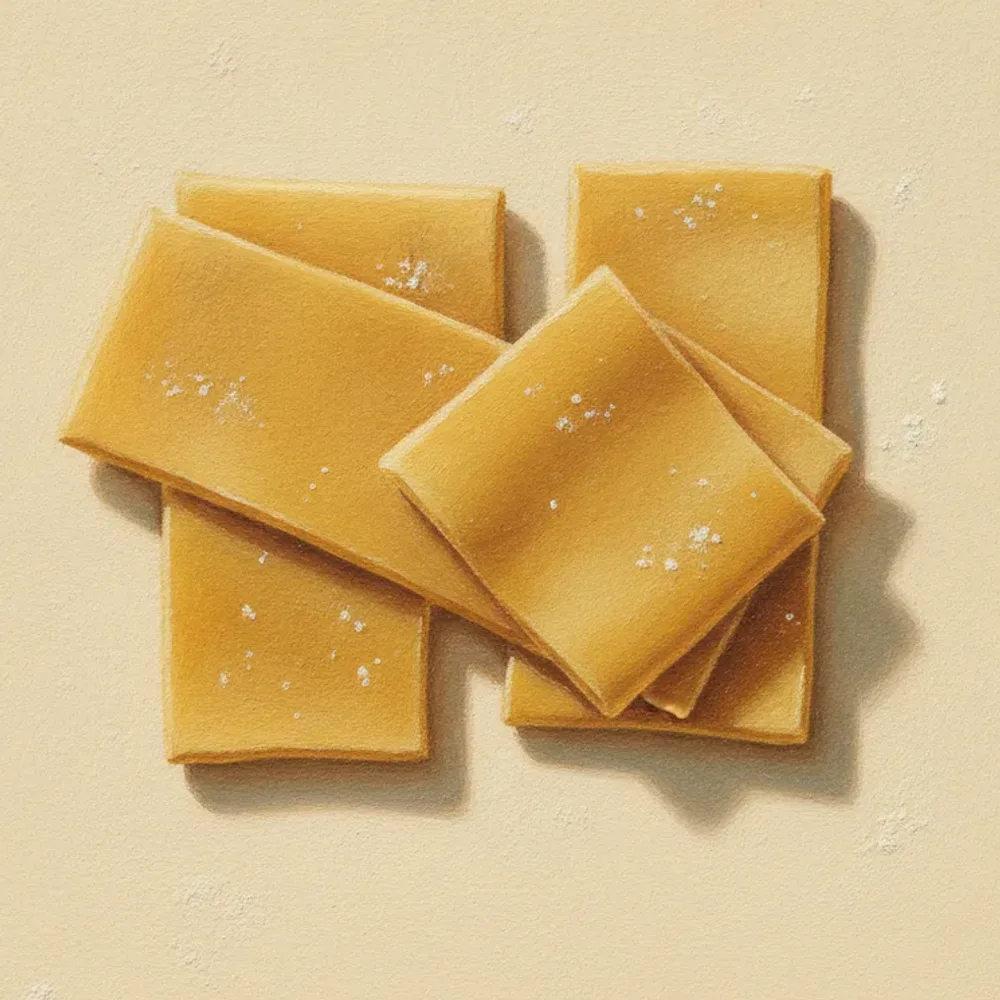
A flat patch of dough catches sauce on its broad faces and sits well in brothy legume dishes, which is its oldest home.
What we would not put it on
Long strands. They cannot be managed with the spoon this dish needs, and they trail the beans rather than sitting among them.
Want it the other way around? Start from a shape in the Pairing Finder.
Stay in the loop
From the Almanac
Updates from Pasta Almanac, when there is something worth sharing.