The best shapes for cacio e pepe
Pecorino romano and coarsely cracked black pepper worked into starchy pasta water until the cheese emulsifies into a cream rather than seizing into strings. Two ingredients and a technique. The cooking water is the third ingredient and the one that decides whether it works.
Pecorino and starch water whipped to a cheese emulsion. It needs surface to coat and starch to bind, rough fresh strands like pici and tonnarelli are the Roman habit.
Canonical: spaghetti-alla-chitarra (tonnarelli), pici, spaghetti.
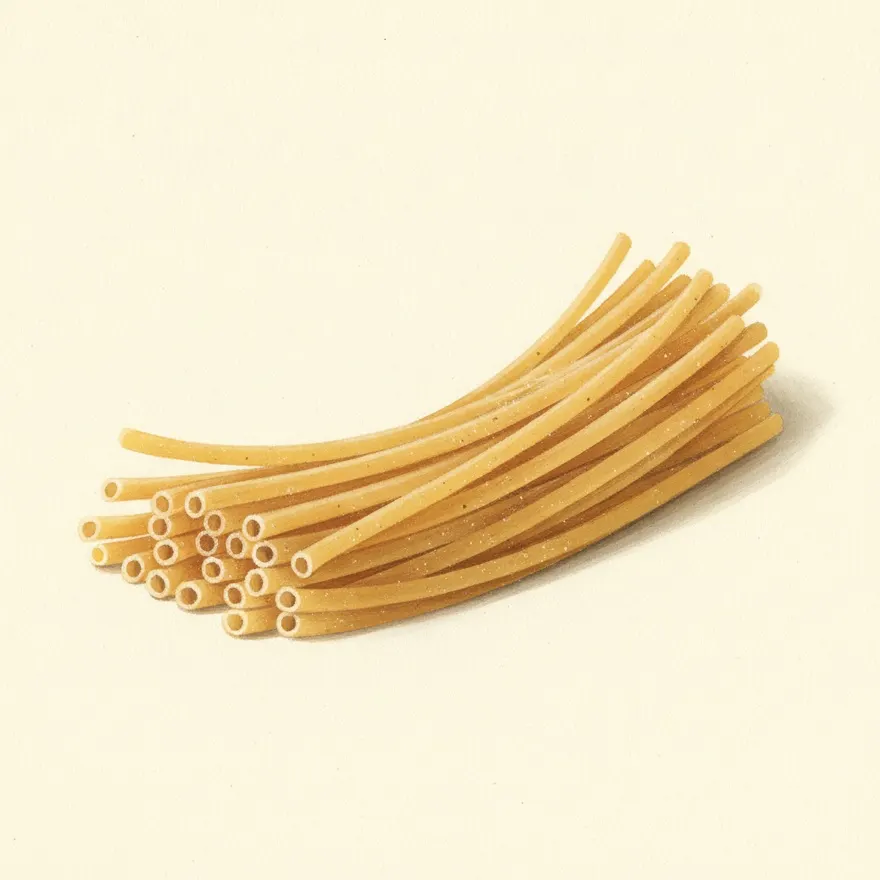
The hole changes the math of sauce delivery.
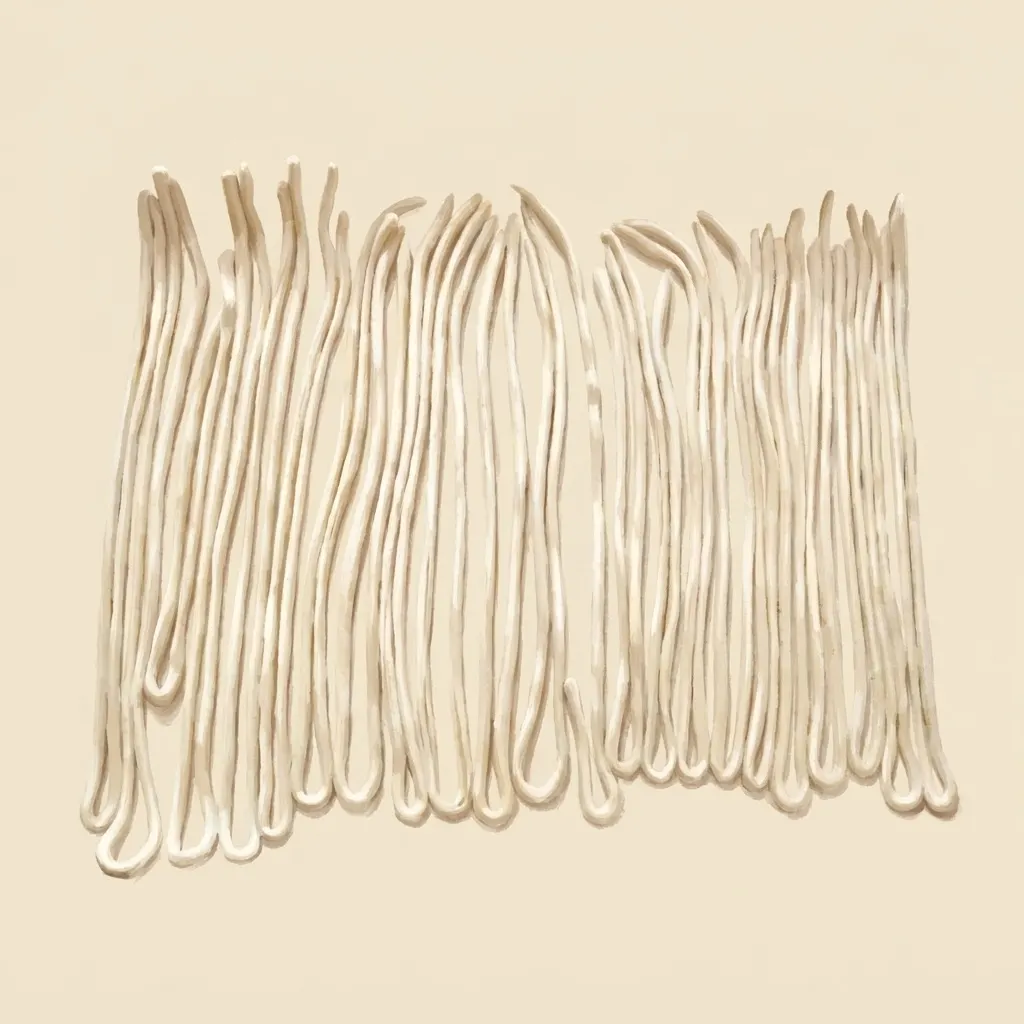
A pici strand is thick, soft, and slightly uneven, so it behaves more like a noodle with muscle than like spaghetti.

A solid round strand offers modest surface area for its weight, so it favors sauces that coat rather than chunk.
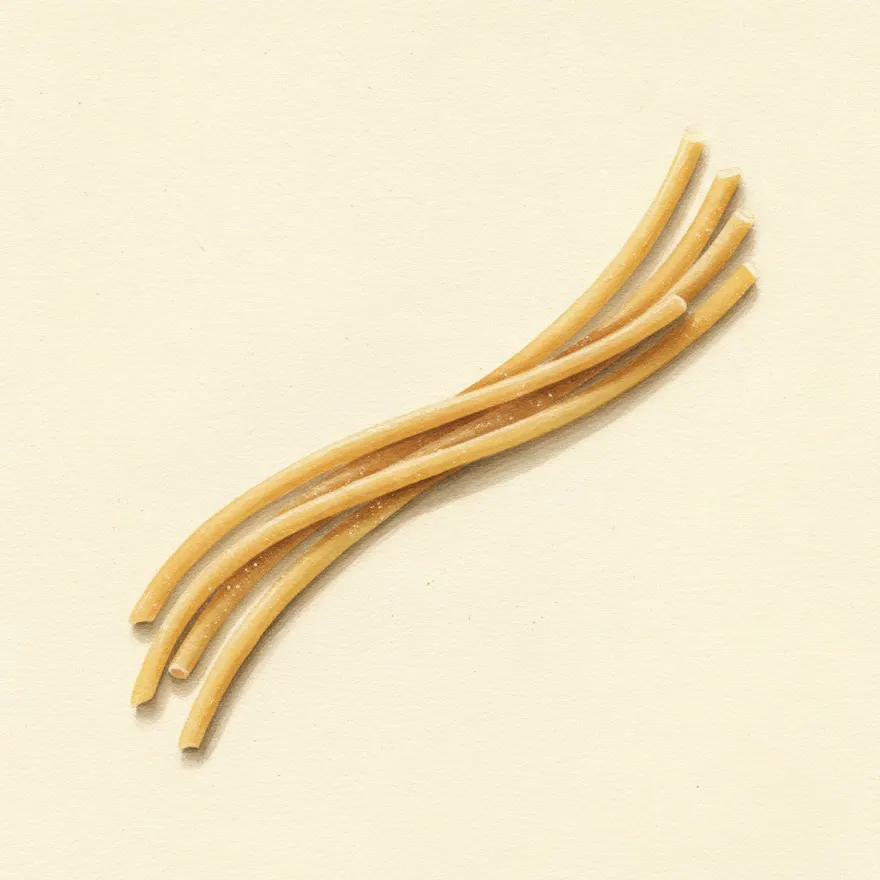
The extra mass is the whole point.
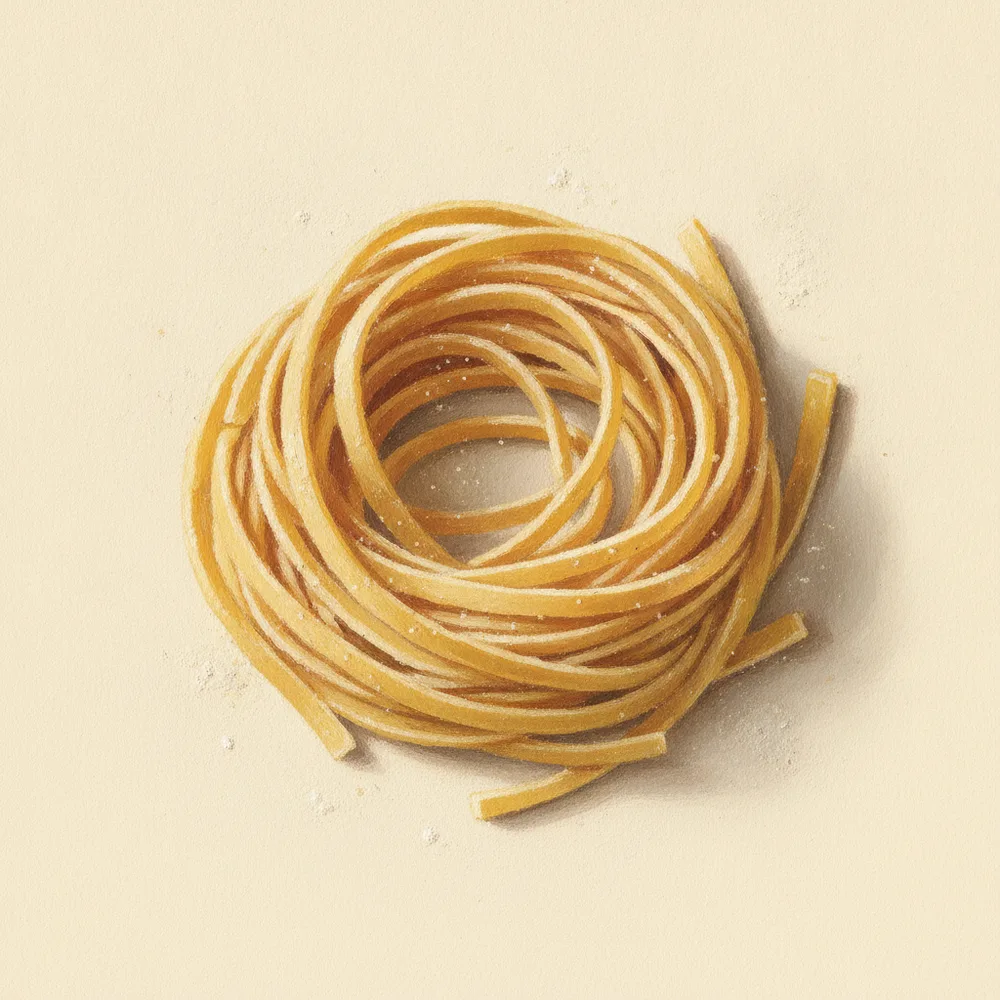
The square cross section gives more flat surface and edges than a round strand, and the chitarra leaves the pasta slightly rough and porous, so sauce clings to it well.
What we would not put it on
Smooth machine-extruded shapes with little drag on the surface. The emulsion needs something to hold against, and on a slick wall it slides off and gathers at the bottom of the bowl.
Want it the other way around? Start from a shape in the Pairing Finder.
Stay in the loop
From the Almanac
Updates from Pasta Almanac, when there is something worth sharing.