Orzo
OR-zoh
Also known as risoni, kritharaki.
What it is
Orzo is a small dried semolina cut from the pastina family, the tiny shapes Italian cooks drop into broth. In Italy it is usually sold as risoni, since orzo by itself means barley, and its first job has always been soup. De Cecco still markets its no. 74 cut for clear broths, vegetable soups, and baby food, and Tuscan cooks add it to minestrone. The shape found a second home around the eastern Mediterranean. Greek cooks call it kritharaki, little barley, simmer it in avgolemono, and bake it with meat in giouvetsi. Turkish kitchens have arpa sehriye, and an Egyptian cousin goes by a name that means bird's tongue. The Pasta Project records that Israeli ptitim began in 1953 as an orzo-style wheat substitute for rice. American kitchens later picked the shape up for salads, pilafs, and casseroles, and brands such as Ronzoni now pitch it as a one to one swap for rice in almost any dish.
Orzo is the Italian word for barley, from Latin hordeum, per Wiktionary. The pasta borrowed the name because the cut mimics a grain of barley, though in Italy the shape itself is usually called risoni, large grains of rice.
What sauce it wants, and why
Treat orzo as a grain that happens to be pasta. It belongs in liquid, soaking up brodo and giving body to vegetable soups. Toasted in fat and fed stock in stages it turns creamy like risotto, and Garofalo credits its bronze die for how well the grains absorb broth. At this scale smooth coatings beat chunky ones. Butter with Parmigiano or Pecorino, light tomato, pesto, or lemon and olive oil for cold salads all cling evenly. Heavy ragus slide past it unless the dish is baked, as in giouvetsi.
Broth·Butter and parmesan·Tomato sauce·Pesto Genovese·Lemon and olive oil
Classic plates: giouvetsi, avgolemono, minestrone, Italian wedding soup, pastina in brodo.
No orzo? Use these
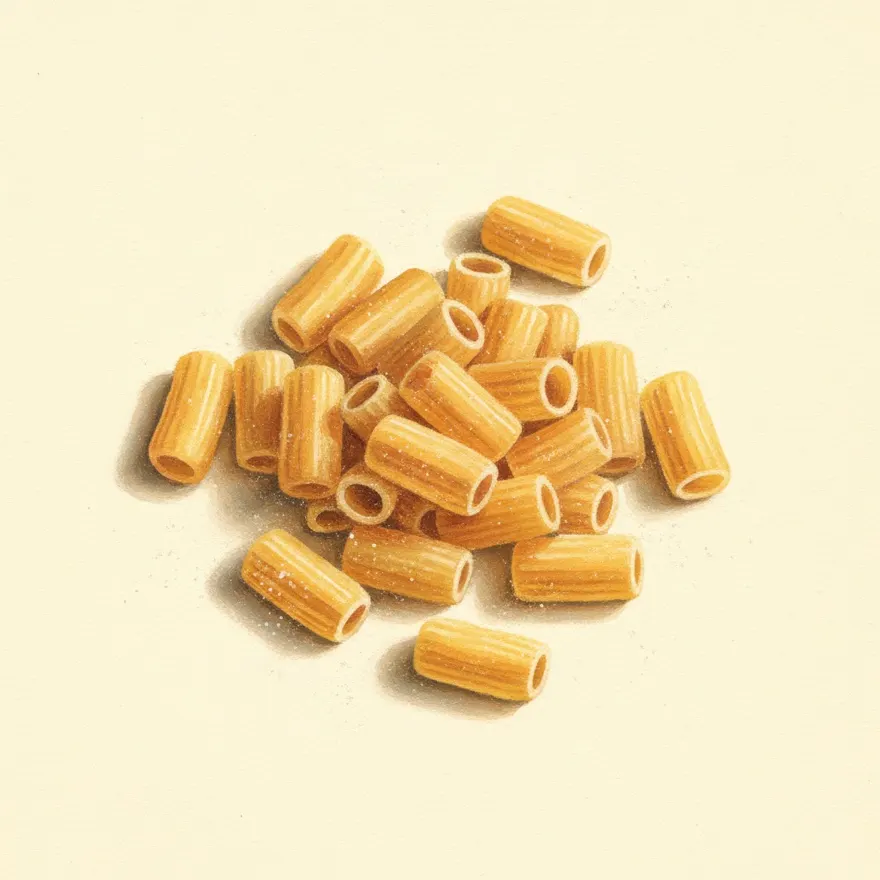
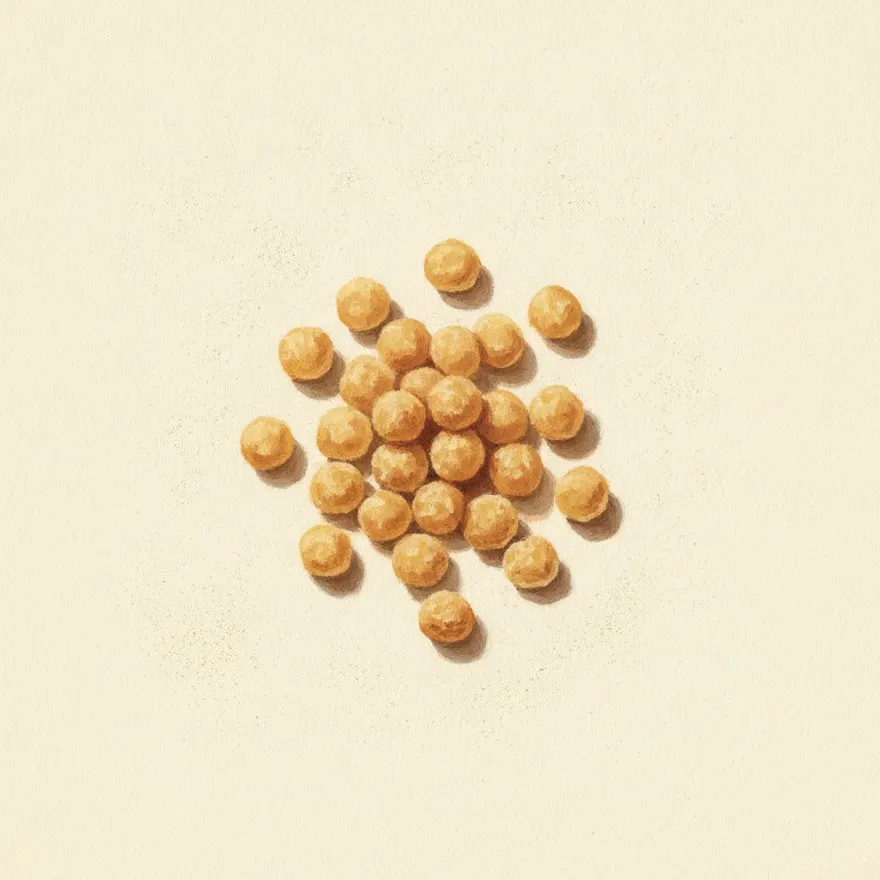
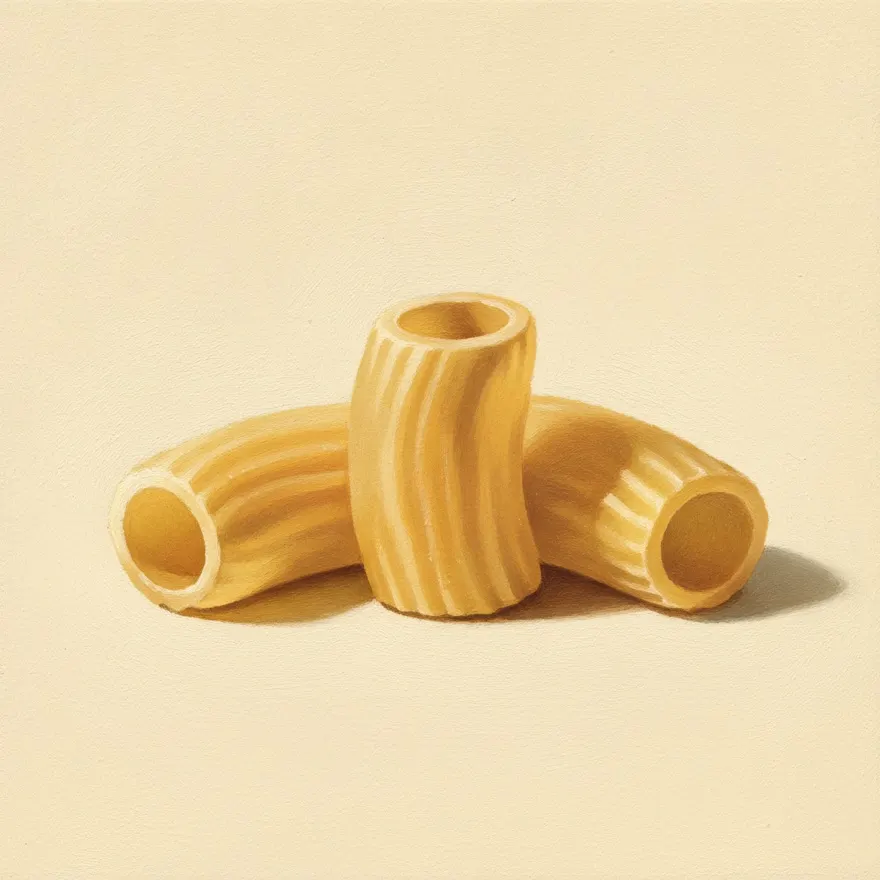
Closest swaps by sauce behavior, not by looks. The ones most easily confused with orzo, and how they read.
Stay in the loop
From the Almanac
Updates from Pasta Almanac, when there is something worth sharing.