Fideos
Also known as fideo, fidaws.
What it is
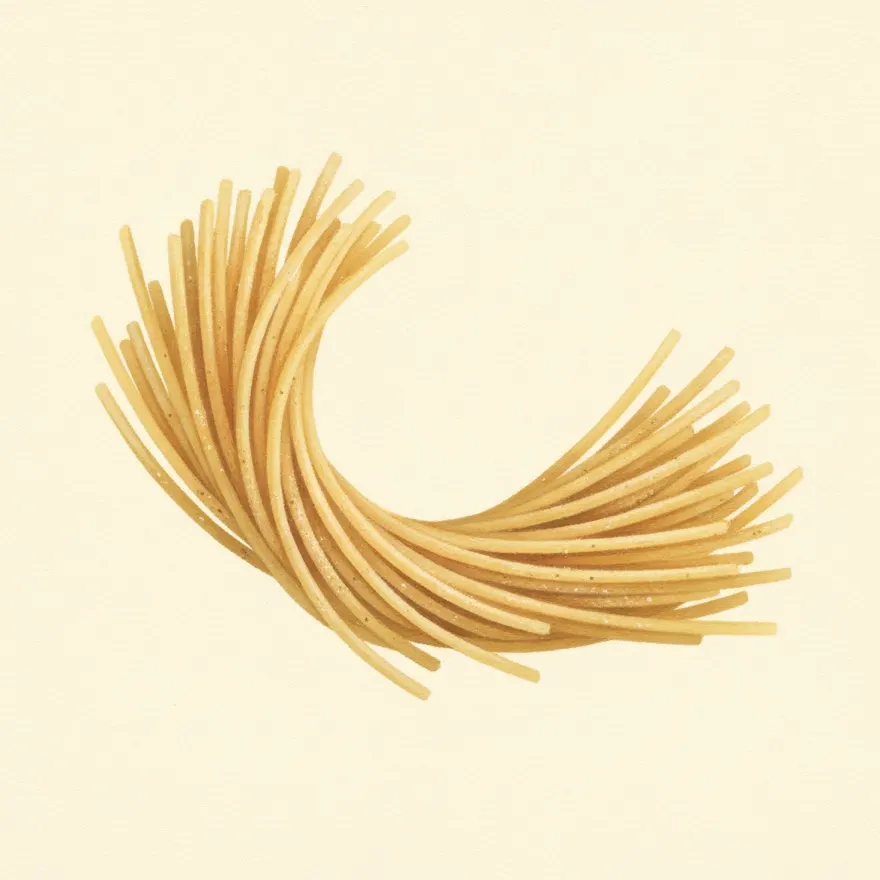
Fideos are thin Spanish noodles whose name and form reach back to Al-Andalus: both the word and the pasta entered Spanish from Andalusian Arabic during the centuries of Muslim rule on the Iberian Peninsula. One sticky detail: this is an Arab-to-Spain inheritance, not an Italian regional invention, and it traveled onward to Latin America and the Philippines through Spanish colonization. The Valencian dish fideua is popularly credited to a cook in Gandia who swapped noodles for rice, an account treated as attribution rather than documented fact.
From Spanish fideo, meaning noodle, borrowed via Mozarabic from Andalusian Arabic fidawis, meaning noodles. Wiktionary gives the form fidawis, and the related fidaws is glossed as a large amount of noodles.
What sauce it wants, and why
Fideos are most often dry-toasted or browned in oil first, then simmered directly in stock or sauce so they absorb liquid rather than being boiled and drained. Toasting sets a nutty flavor and helps the thin strands hold shape, while the starch they release lightly thickens the surrounding broth. The result sits between a soup and a one-pan pasta depending on how much liquid is used.
Classic plates: fideua, sopa de fideo.
No fideos? Use these
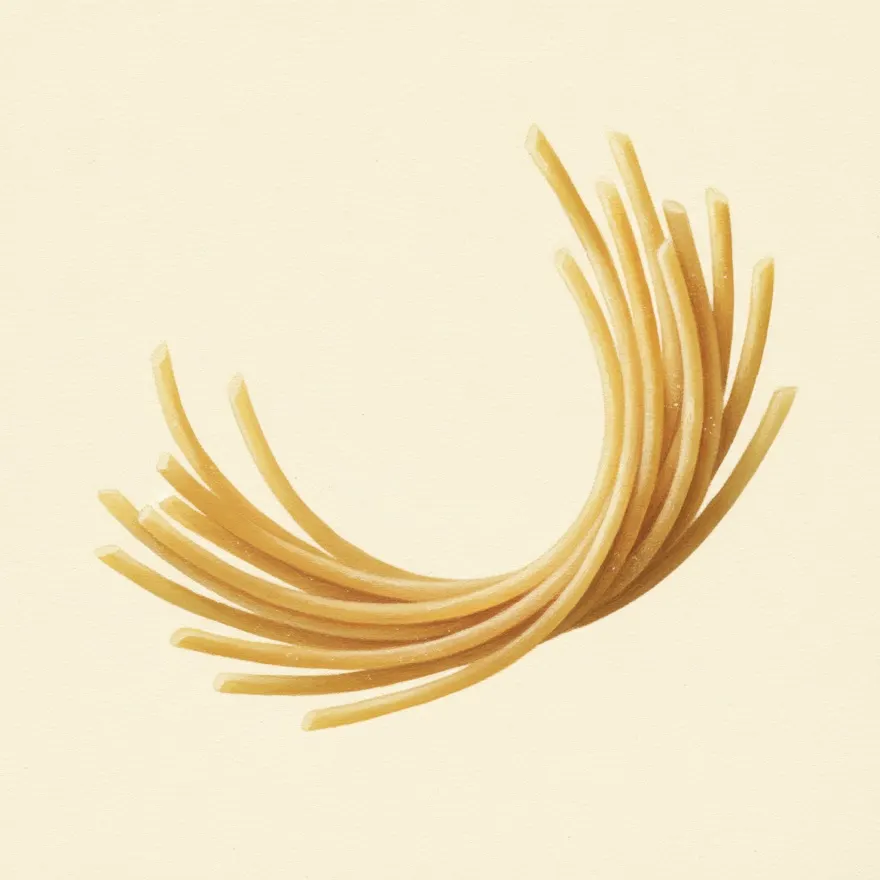
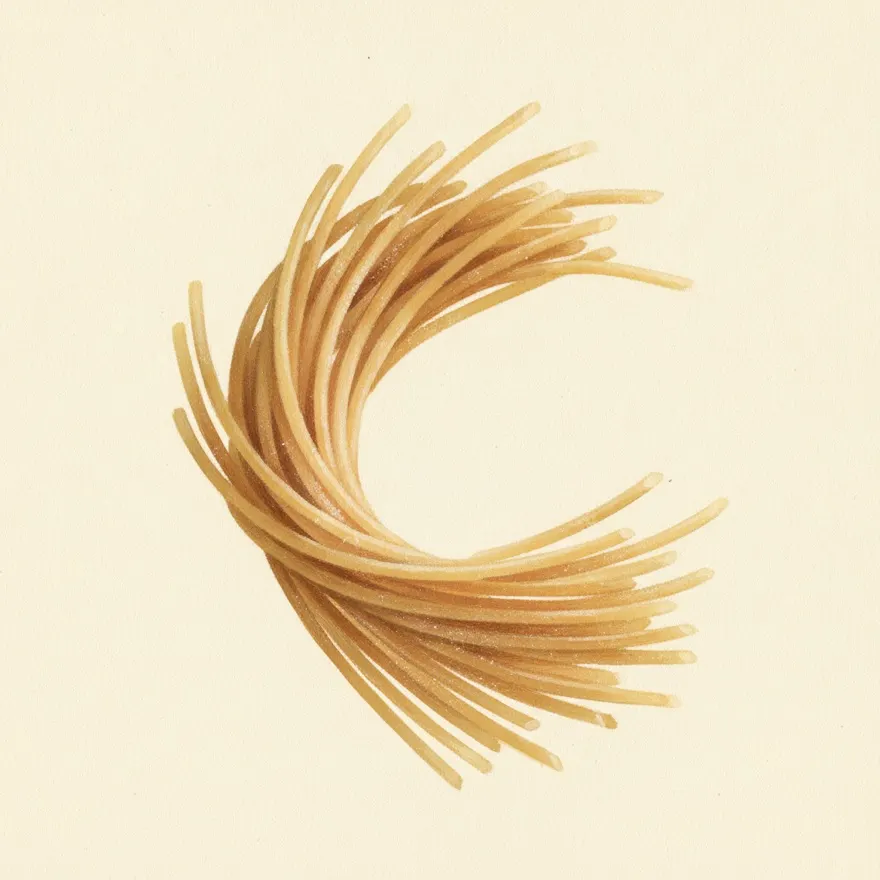
Closest swaps by sauce behavior, not by looks. The ones most easily confused with fideos, and how they read.
Stay in the loop
From the Almanac
Updates from Pasta Almanac, when there is something worth sharing.