Caramelle
kah-rah-MEL-leh
What it is
Caramelle are a filled fresh pasta named for their wrapped-candy shape: a rectangle of dough is rolled around a filling and pinched at both ends so the parcel looks like a bonbon in its twisted wrapper. The candy-wrapper closure is the defining trait, and the same form appears in regional cousins like Lombardy's casoncelli. Several sources tie caramelle to northern Italy and to meatless fillings of ricotta and spinach or squash, but no single source fixes one town of origin, so it is treated as unsettled.
From the Italian caramella, a sweet or candy. Treccani derives caramella from caramel, from late Latin canna mellis, sugarcane, or from calamellus, a little reed. The pasta takes its name from the shape, a filled parcel closed with a twist at each end like a wrapped sweet.
What sauce it wants, and why
The filling is sealed inside the twisted parcel, so the dressing only has to coat the smooth outer dough and stay out of the way of what is inside. Quiet emulsions win: melted or browned butter, a little Parmigiano, a few sage leaves. Anything heavy or chunky fights the delicate twisted ends and buries the candy-wrapper shape that is the whole point.
Classic plates: caramelle with ricotta and spinach in butter, squash caramelle with brown butter and sage.
No caramelle? Use these
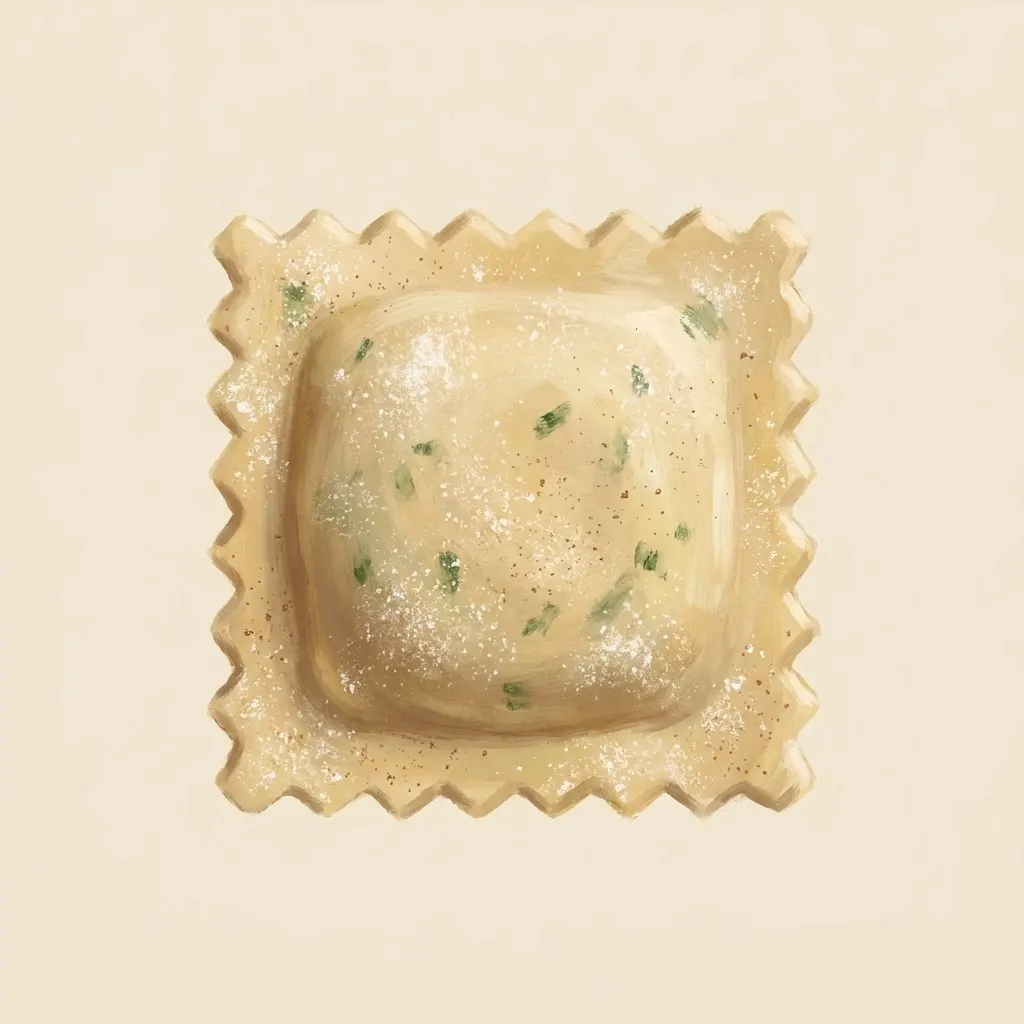
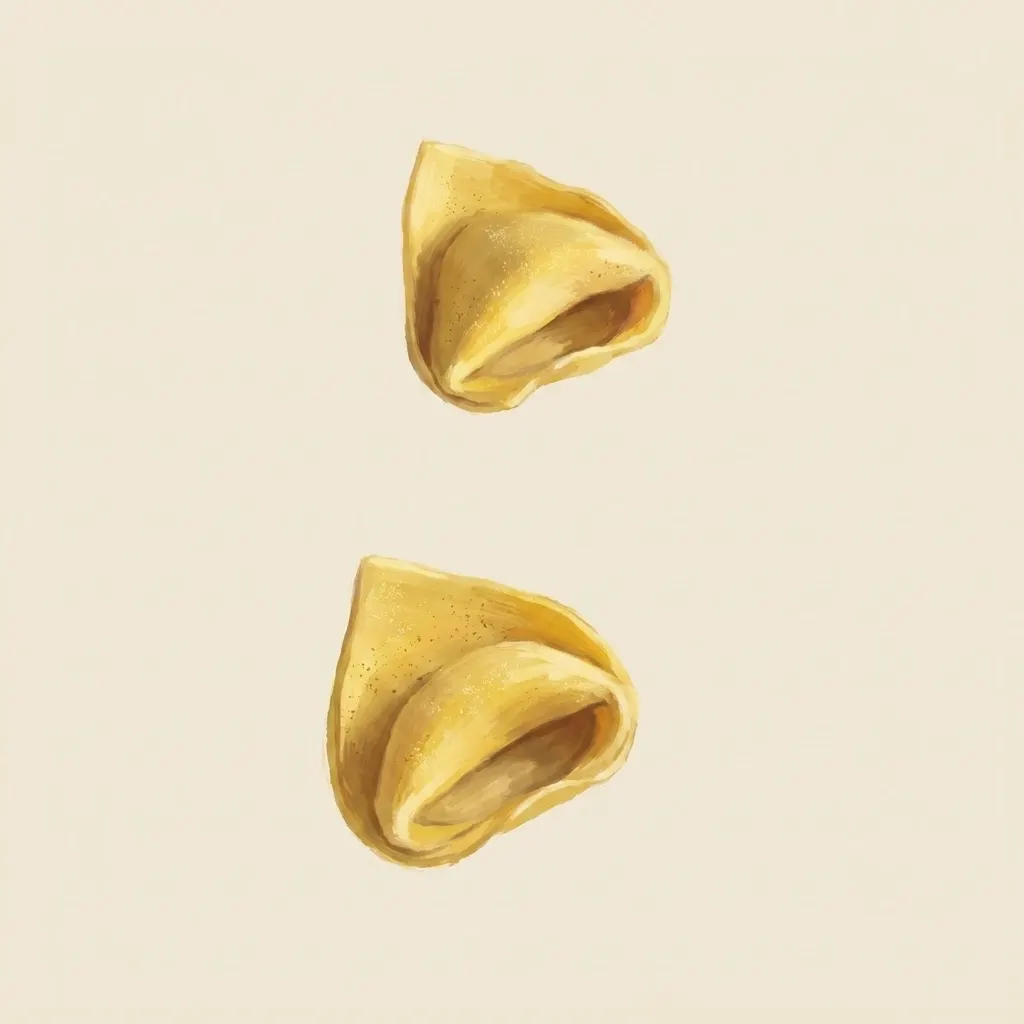
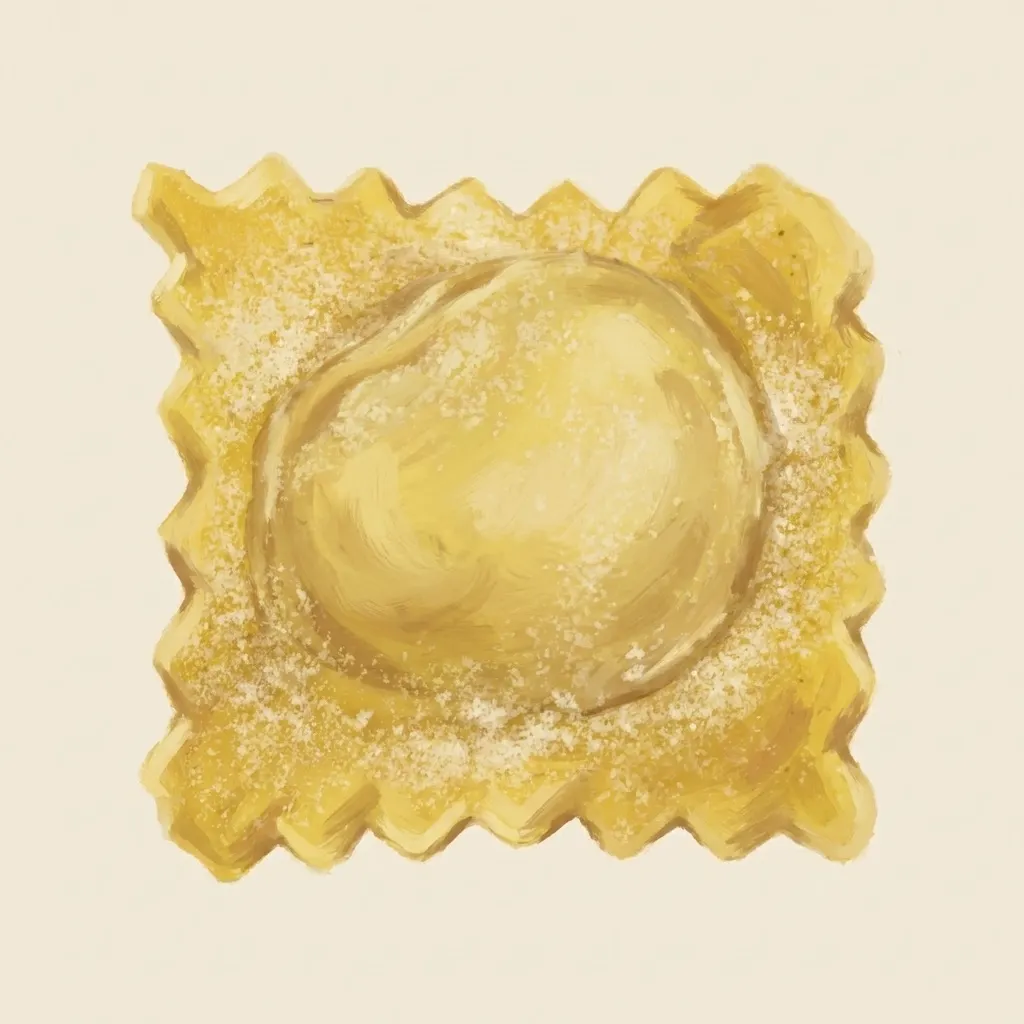
Closest swaps by sauce behavior, not by looks. The ones most easily confused with caramelle, and how they read.
Stay in the loop
From the Almanac
Updates from Pasta Almanac, when there is something worth sharing.