Anolini
ah-noh-LEE-nee
Also known as anvein, anvén, anolén.
What it is
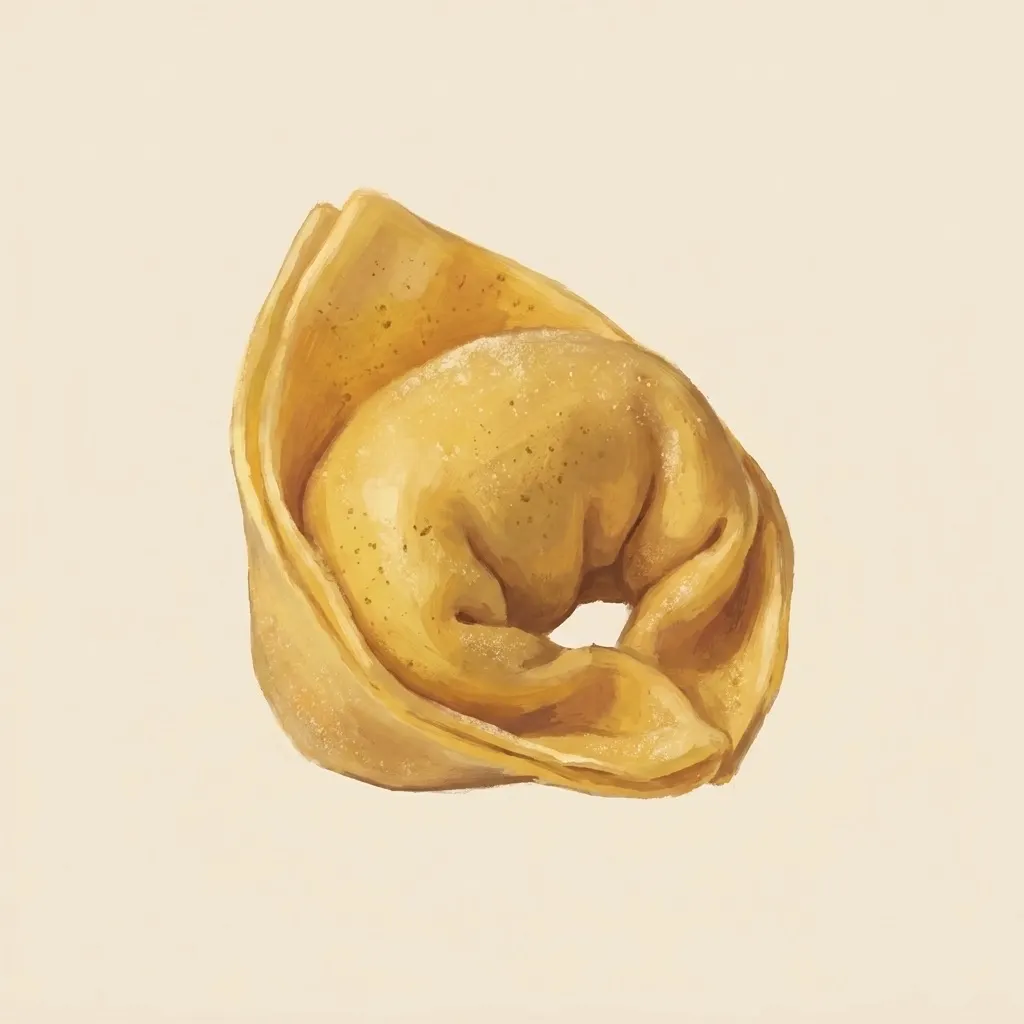
Anolini in brodo is the Christmas table of Parma and Piacenza, a small stuffed pasta floated in meat broth. The two cities build the filling differently. Parma's anolén are made from the jus of a long braise, the stracotto, worked into breadcrumb, aged Parmigiano Reggiano, eggs, and nutmeg, with the braised meat itself often kept back for another course, and the braise is traditionally beef or donkey. Piacenza's anvein keep the minced beef stracotto in the filling and lean on Grana Padano. Both are stamped from egg sheet as a small disc or crested half-moon and dropped into a rich broth, the brodo di terza in Piacenza built from three meats.
From Latin anulus, meaning ring, by way of a diminutive form. The scholarly gastronomy record (VoSLIG, LEI) reads the name as ring-shaped filled pasta and traces the family to attestations from 1546. A minority view links it to enula, a bitter root used in older fillings, but that path is thinly documented.
What sauce it wants, and why
Anolini are tiny and made to be cooked and served in broth, not coated. The filling already carries the seasoning, so the pasta needs a clear hot vehicle that warms it through and delivers each parcel on a spoon. A good meat broth loosens the fat in the filling and keeps the thin sheet from being overwhelmed. Dressed sauces are the exception, not the rule.
Classic plates: anolini in brodo.
No anolini? Use these
Closest swaps by sauce behavior, not by looks. The ones most easily confused with anolini, and how they read.
Easy to confuse with
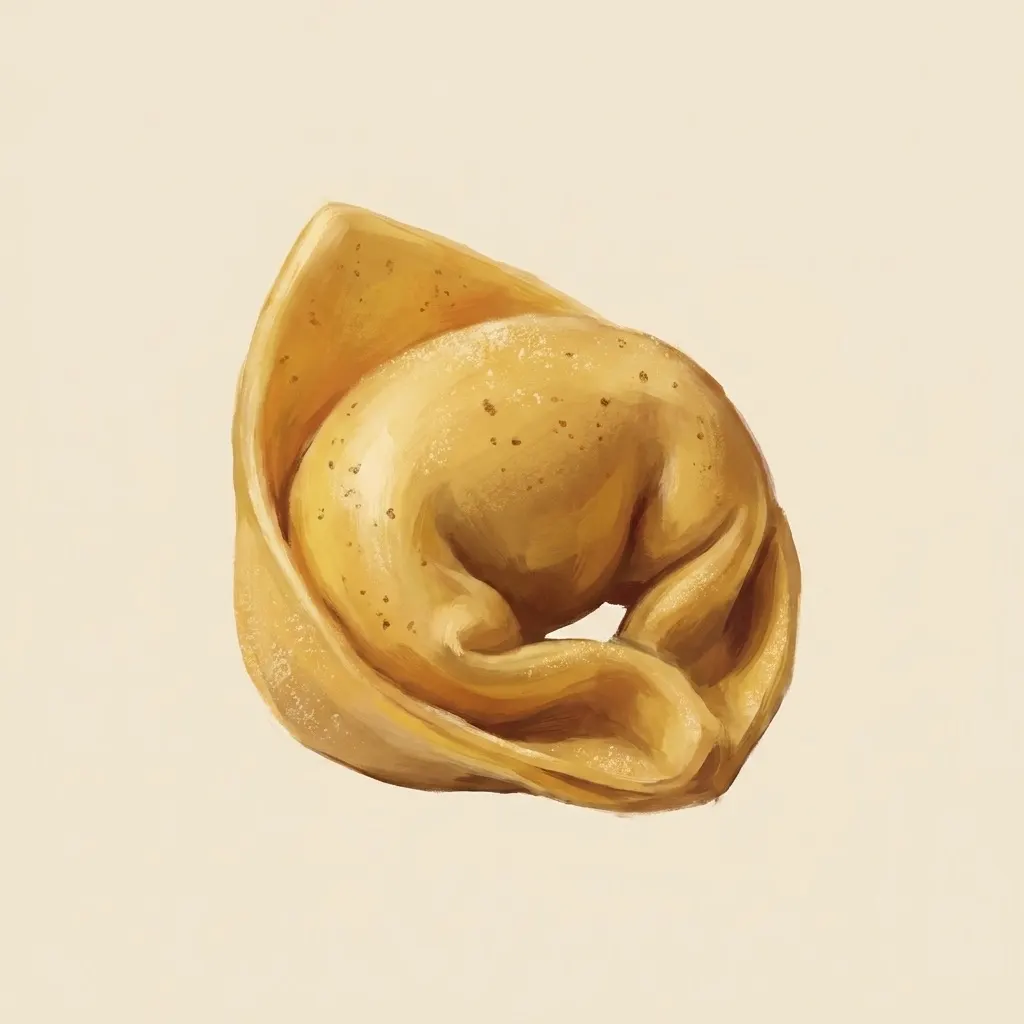
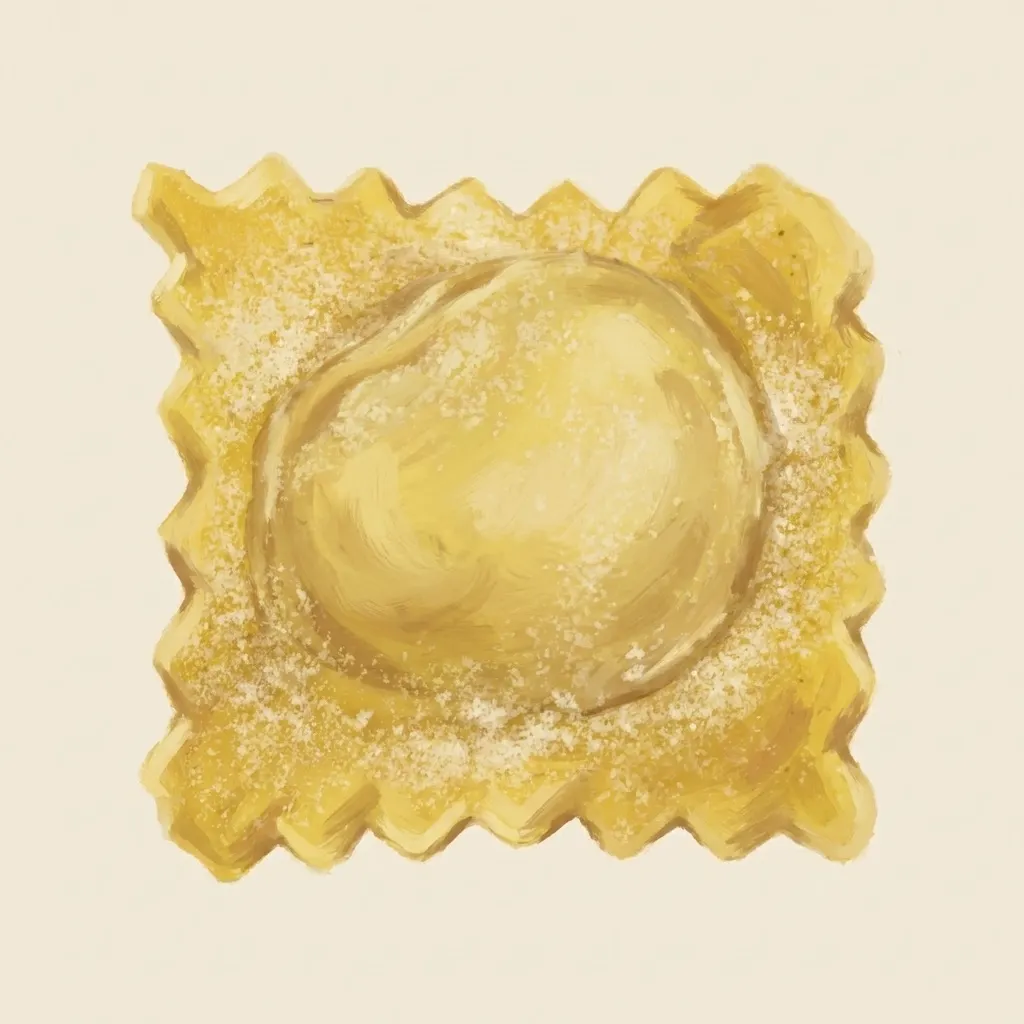
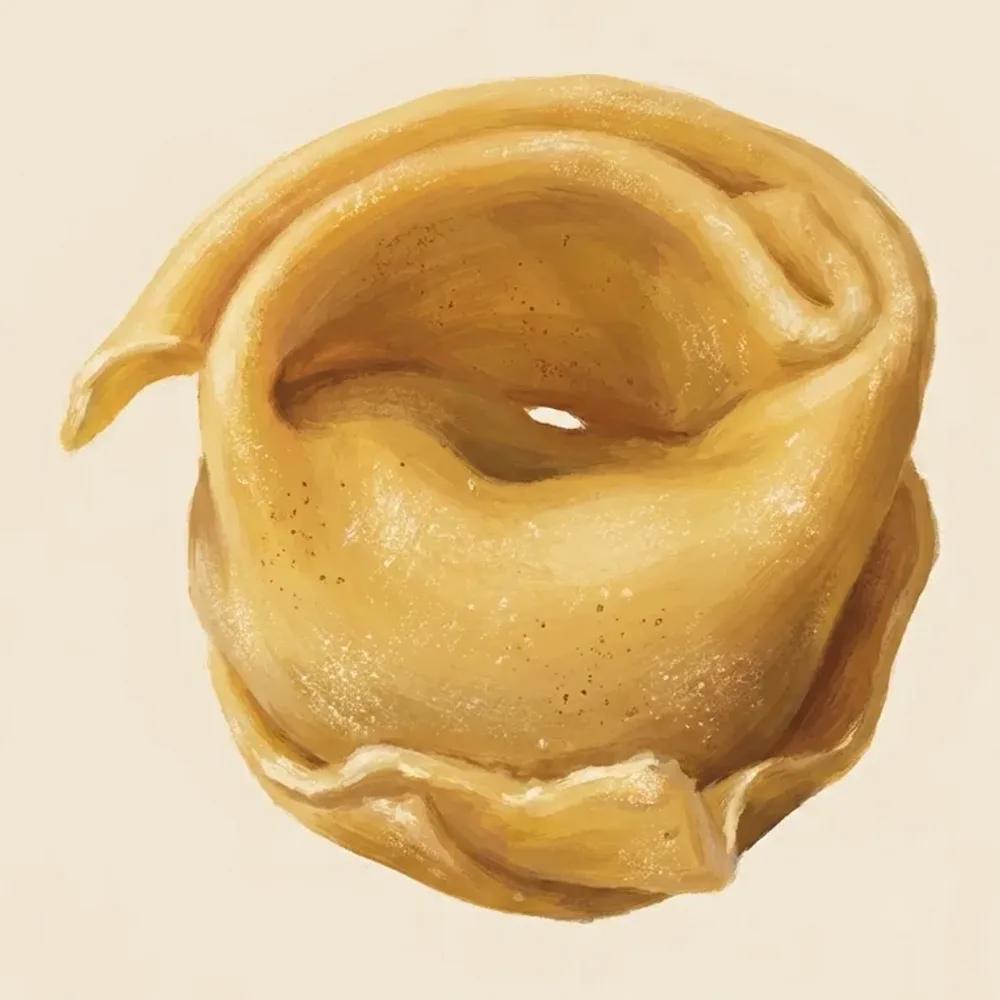
Small stamped parcels served in meat broth, separated mostly by city: anolini are the Parma and Piacenza discs, marubini the Cremona ones cooked in a three-meat broth.
Newsletter
Pasta mail
A new shape now and then, plus whatever pasta rabbit hole we fell down lately. No spam, promise.